FOUR ZINES, 2025–2026
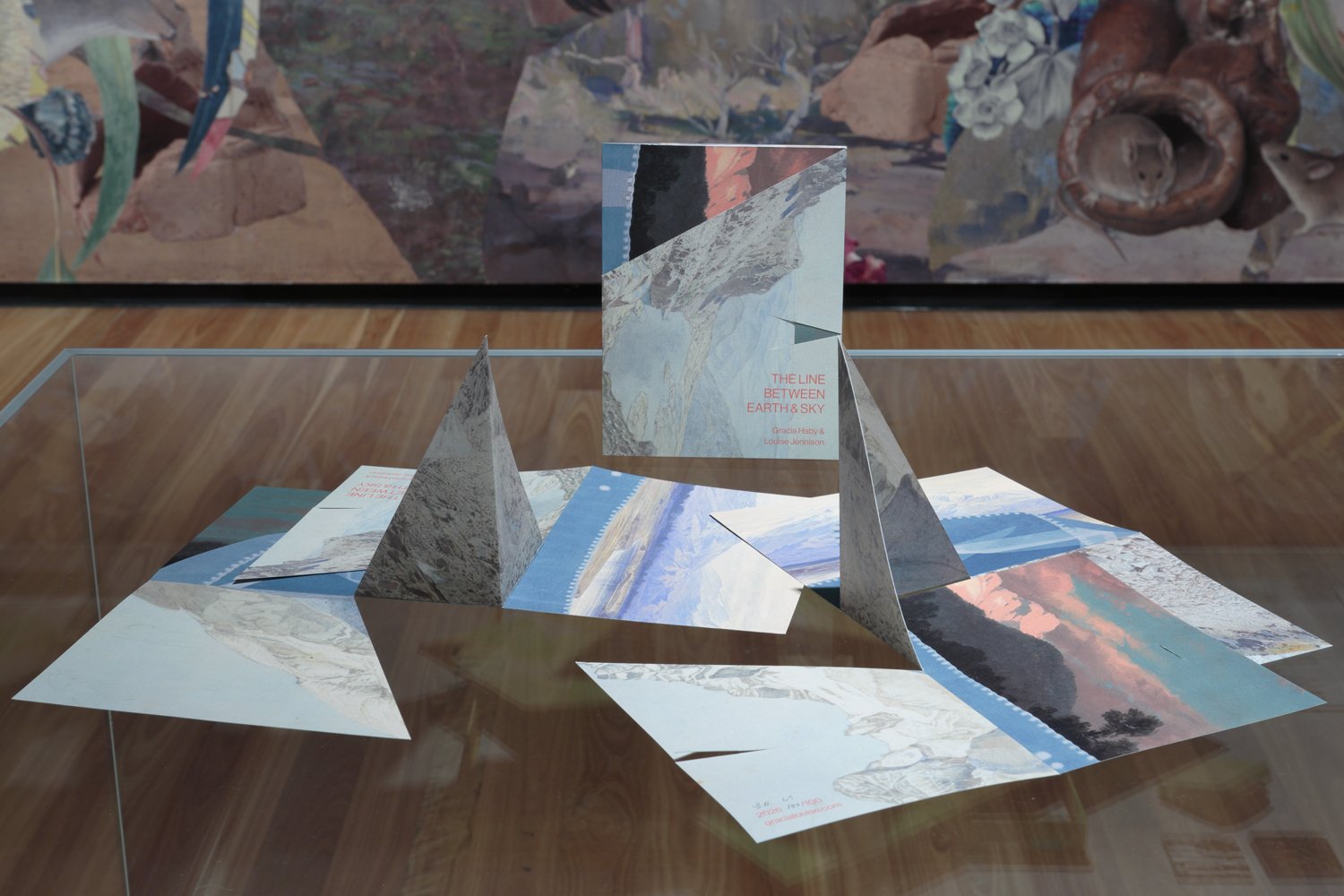
1/ Gracia Haby & Louise Jennison
The line between earth & sky
2026
Indigo Digital print zine
Edition of 100
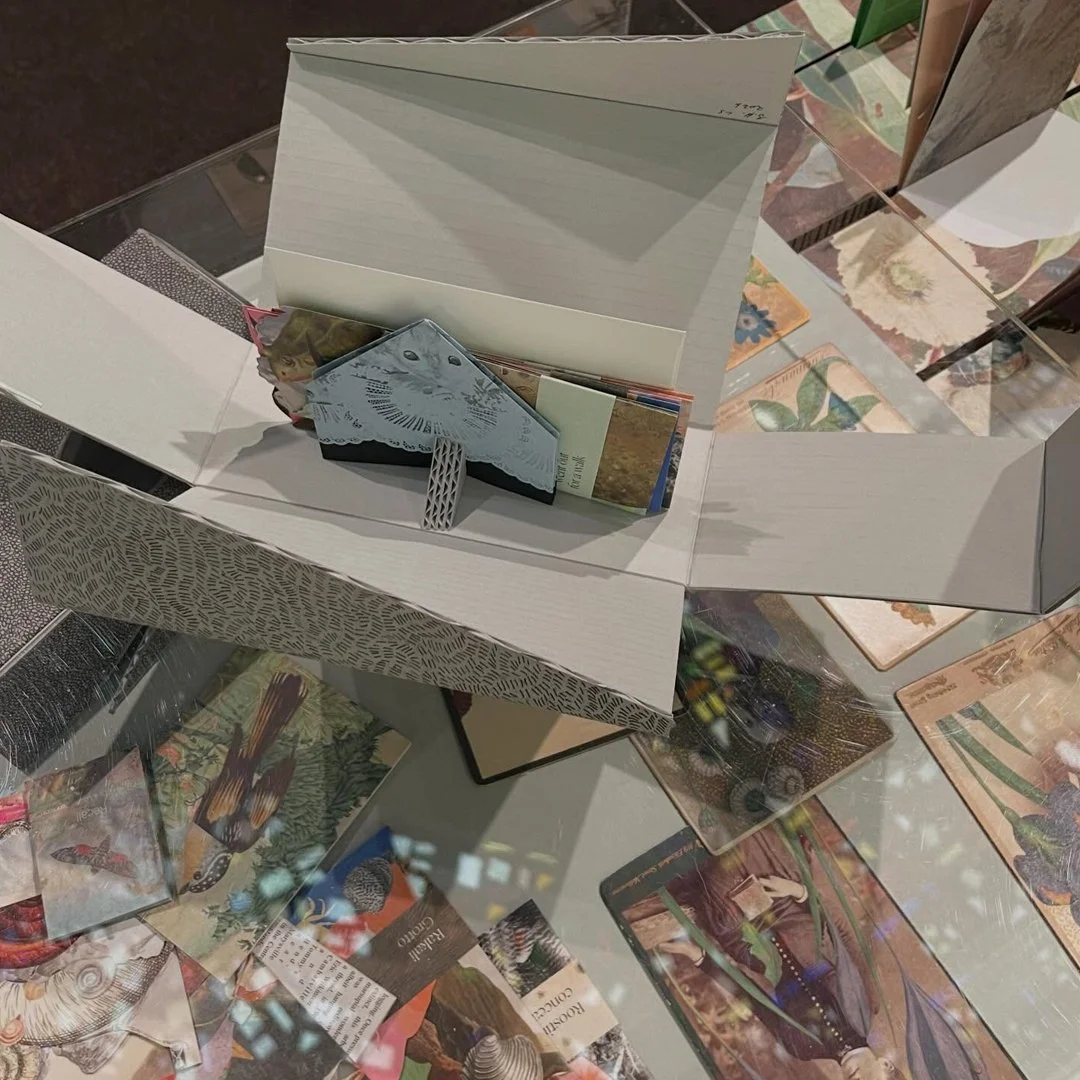
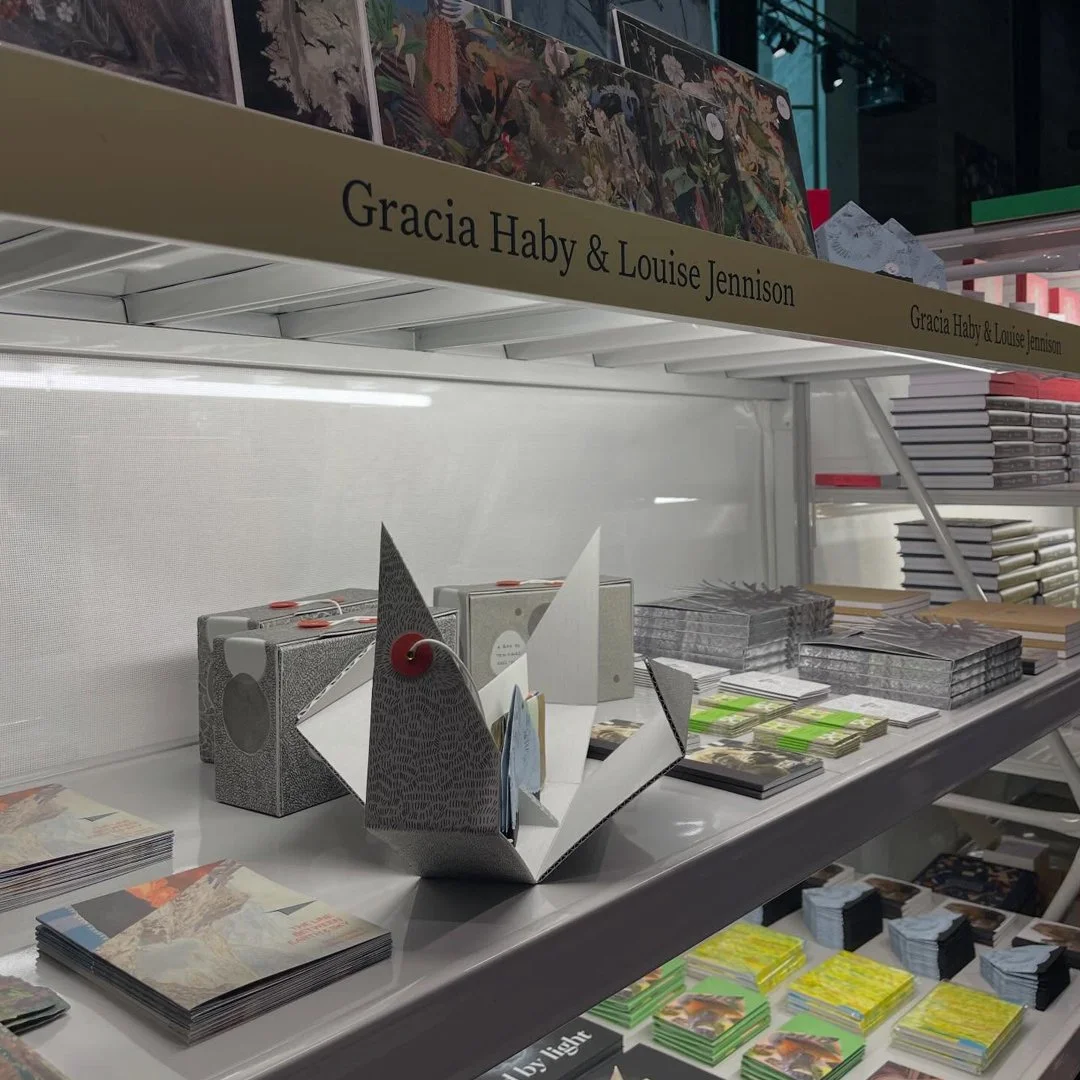
A 26cm X 34cm (folded to 13cm X 17cm in proportion), full-colour zine, on 200gsm Sovereign Offset, with a hand-cut elements. This zine can be folded several ways to form a mountain peak, and it was inspired by The Mountains Are Calling…, an exhibition for World Book Night 2026 at the Bower Ashton Library, UWE Bristol, which was in turn inspired by Nan Shepherd’s book The Living Mountain: A Celebration of the Cairngorm Mountains of Scotland, “In that disturbed and uncertain world,” Shepherd said of writing The Living Mountain, “it was my secret place of ease.”
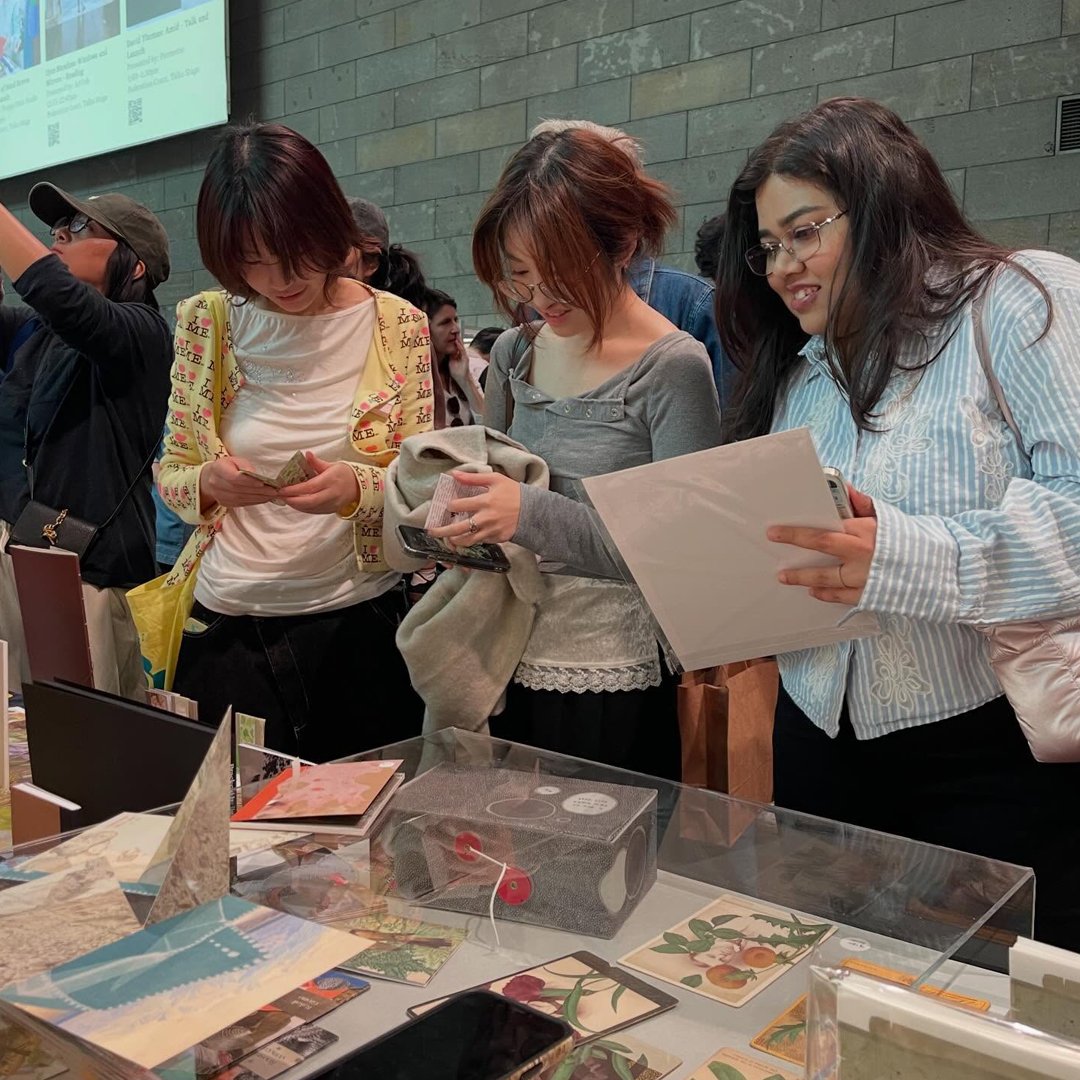
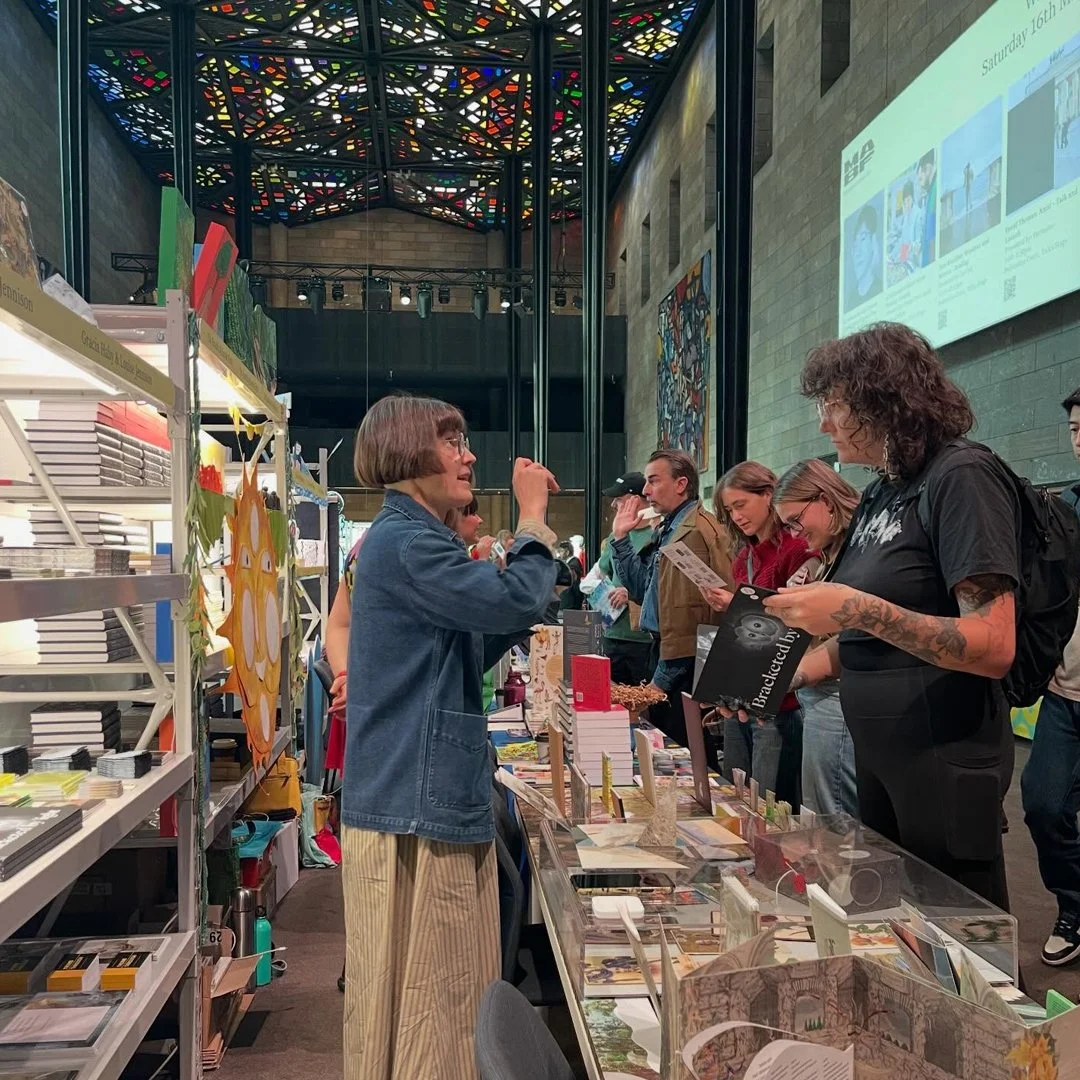
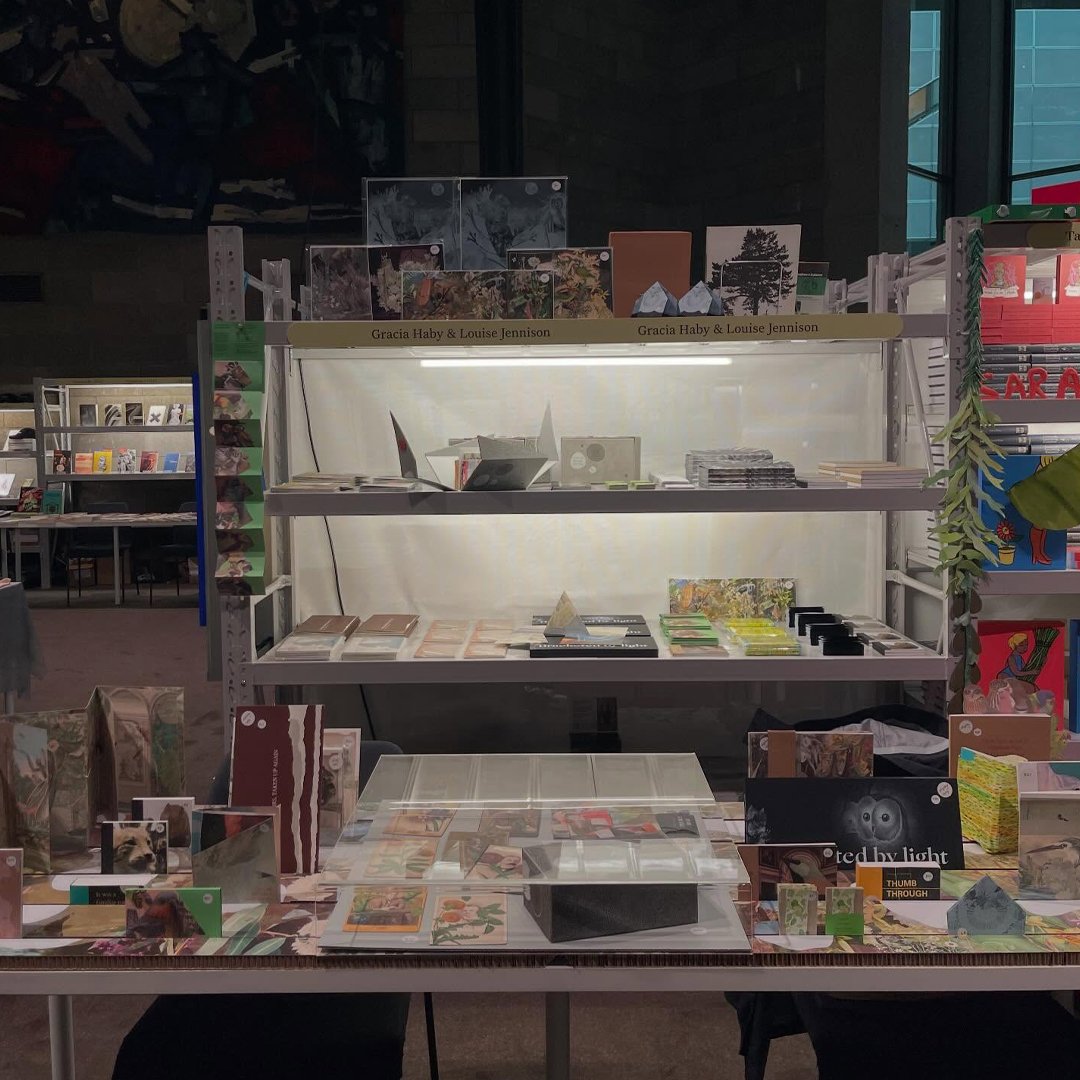
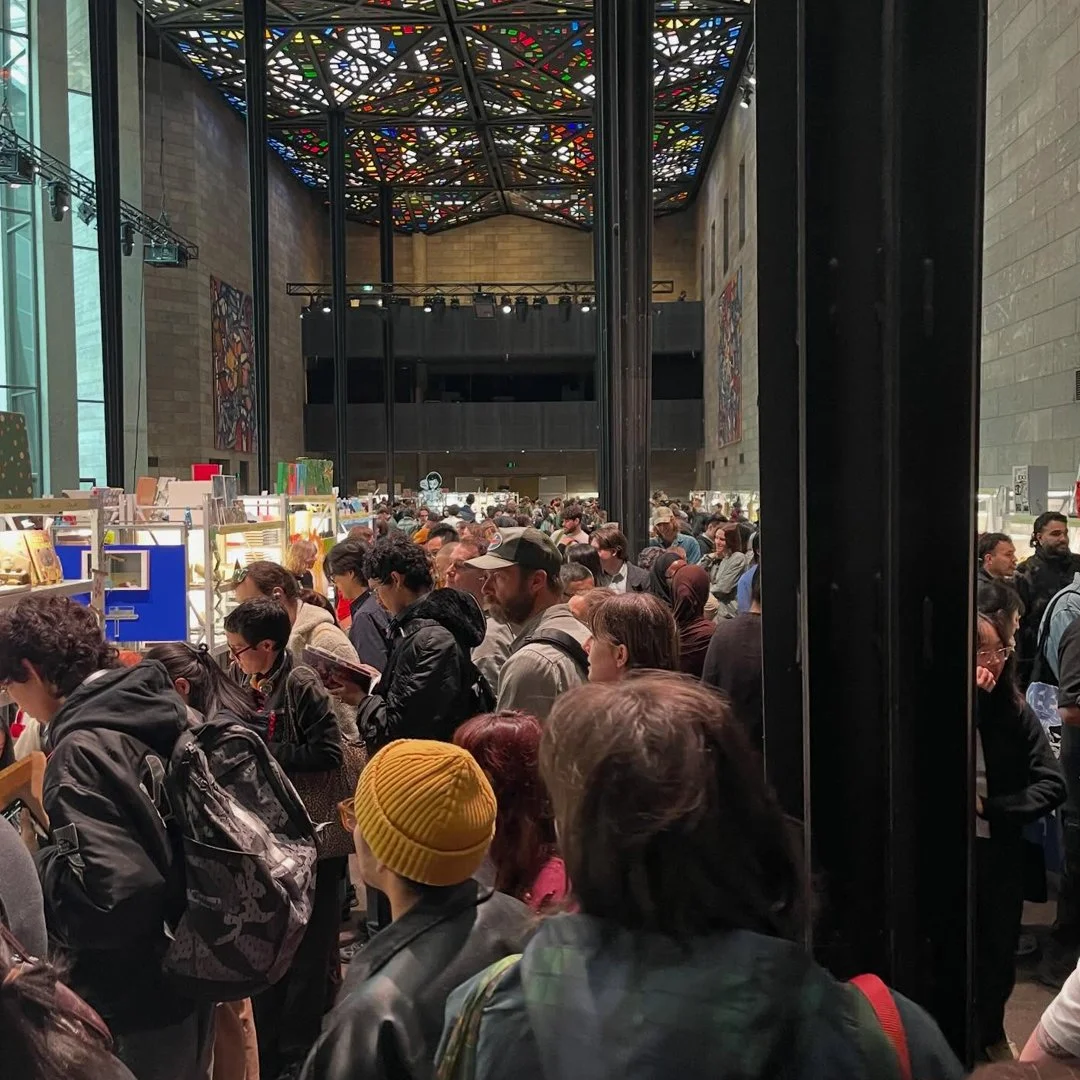
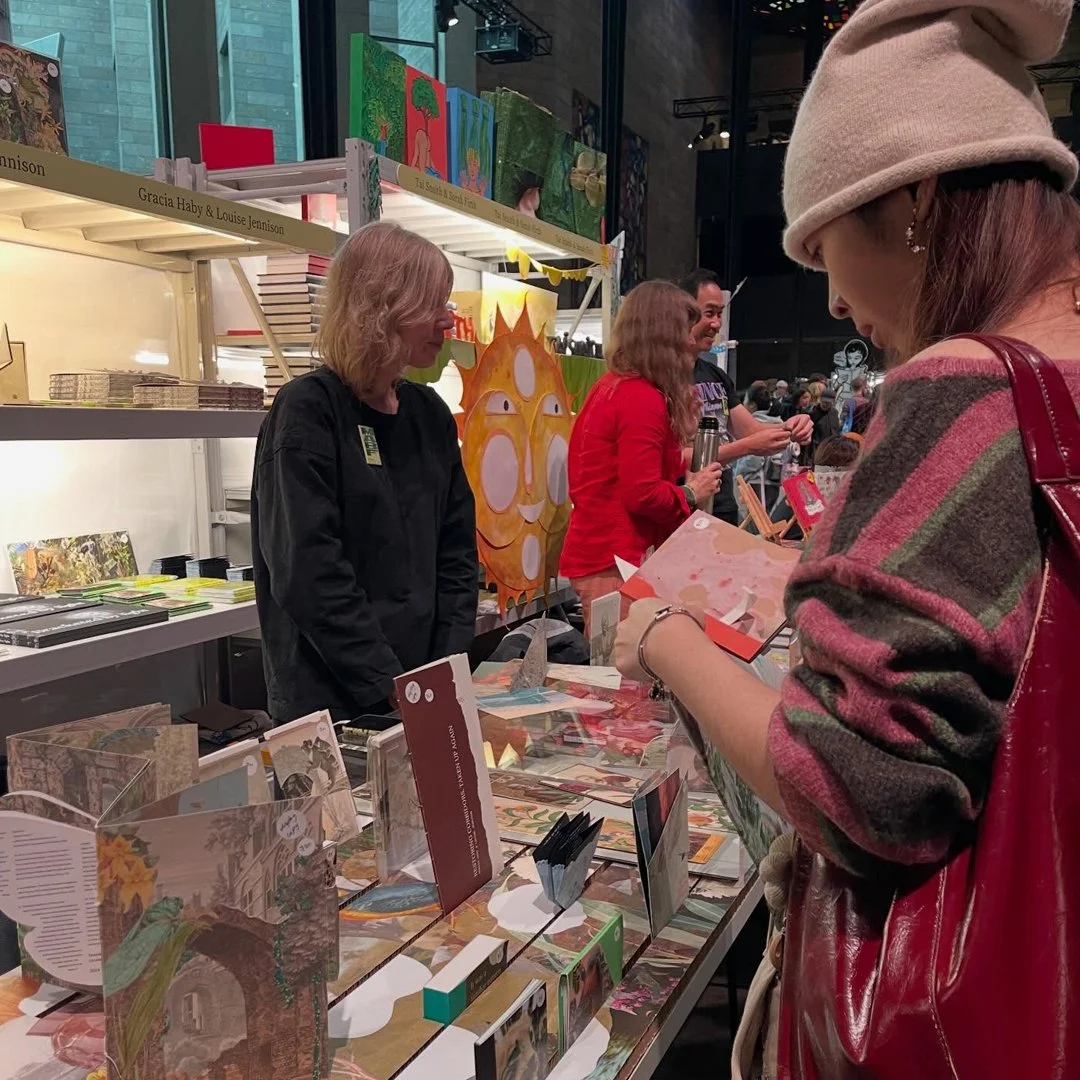
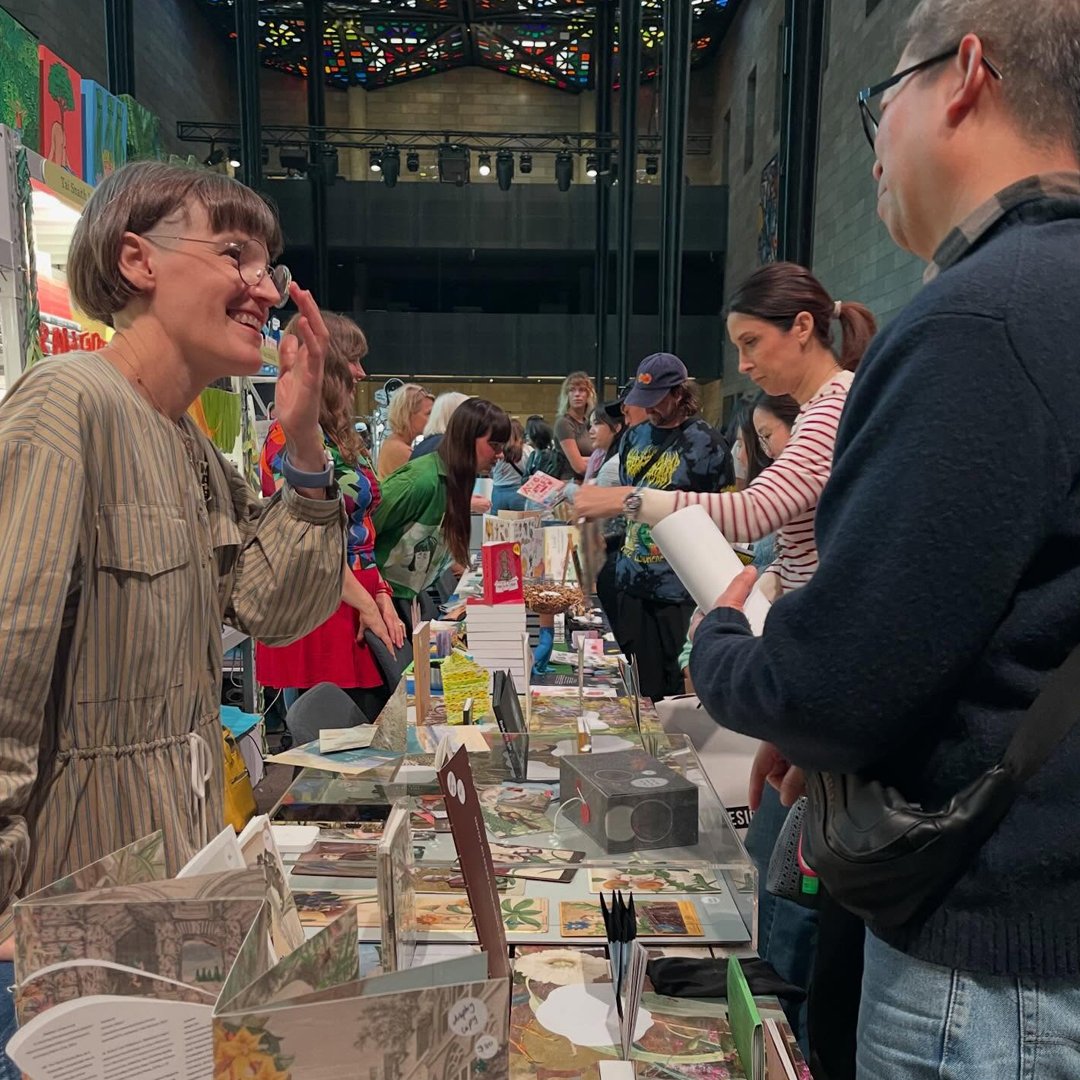
The line between earth & sky was released into the wild at the 2026 NGV Melbourne Art Book Fair.
﹏
RELATED LINKS,
NGV MELBOURNE ART BOOK FAIR 2026
THE MOUNTAINS ARE CALLING…, WORLD BOOK NIGHT 2026
RELATED POSTS,
LOOKING TO GAIN A NEW WAY OF KNOWING
SANCTUARY REWOUND
SANCTUARY
BRILLIANTLY FAIR
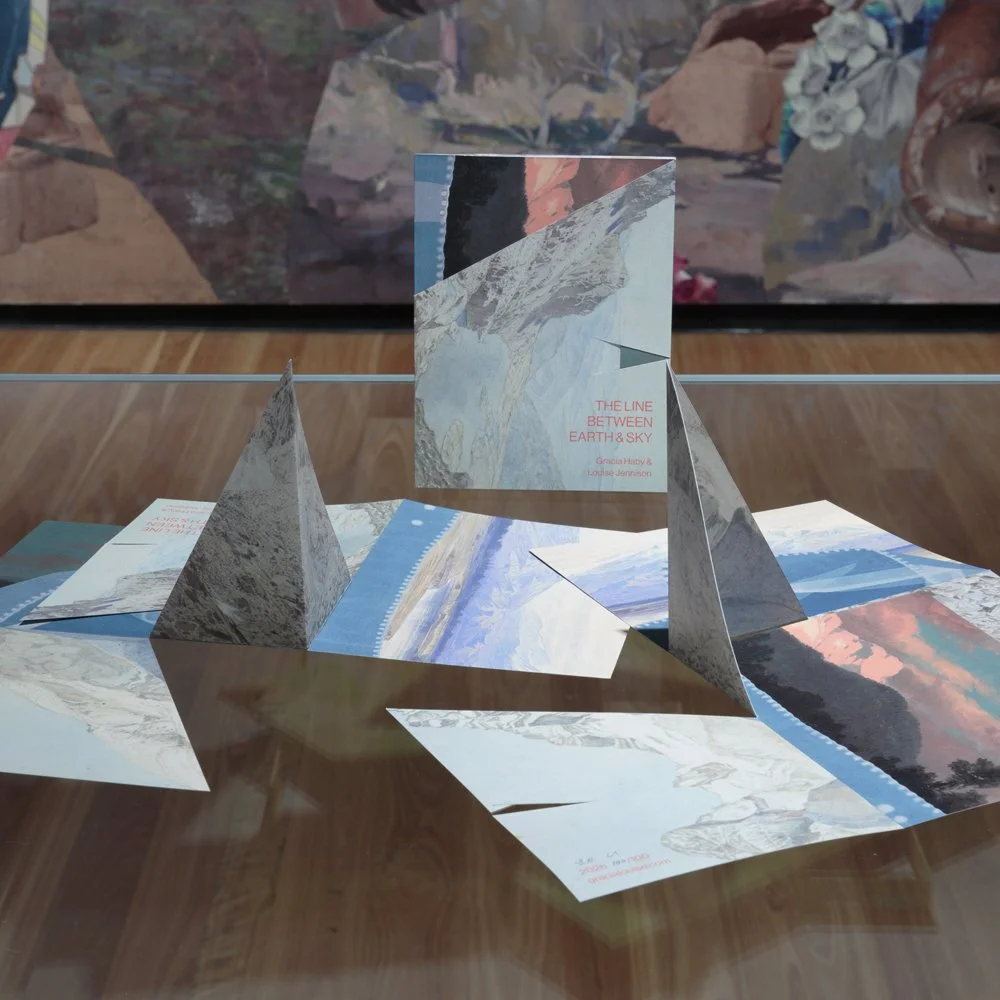
The line between earth & sky, a zine by Gracia Haby & Louise Jennison.
A 26cm X 34cm (folded to 13cm X 17cm in proportion), full-colour zine, on 200gsm Sovereign Offset, with hand-cut elements.
This zine can be folded several ways to form a mountain peak, and it was inspired by The Mountains Are Calling…, an exhibition for World Book Night 2026 at the Bower Ashton Library, UWE Bristol, which was in turn inspired by Nan Shepherd’s book The Living Mountain: A Celebration of the Cairngorm Mountains of Scotland, “In that disturbed and uncertain world,” Shepherd said of writing The Living Mountain, “it was my secret place of ease.”
That cloud, like others inside which I have walked, was wet but not wetting. It did not wet us till, almost at the summit, it broke in hard rain, and we could at last see the corries, scarfed in mist.
— Nan Shepherd details her first experience of the inside of a cloud in her book,from the “more delicate” kind, “condensing in droplets on eyebrows and hair and woollen clothing” to the kind you feel venturing into a cloud, “hardly more than a sensation on the skin, clammy, or merely chill”, in her book, The Living Mountain: A Celebration of the Cairngorm Mountains of Scotland

2/ Gracia Haby & Louise Jennison
Juniper & the Berries
2025
Indigo Digital print zine
Edition of 100
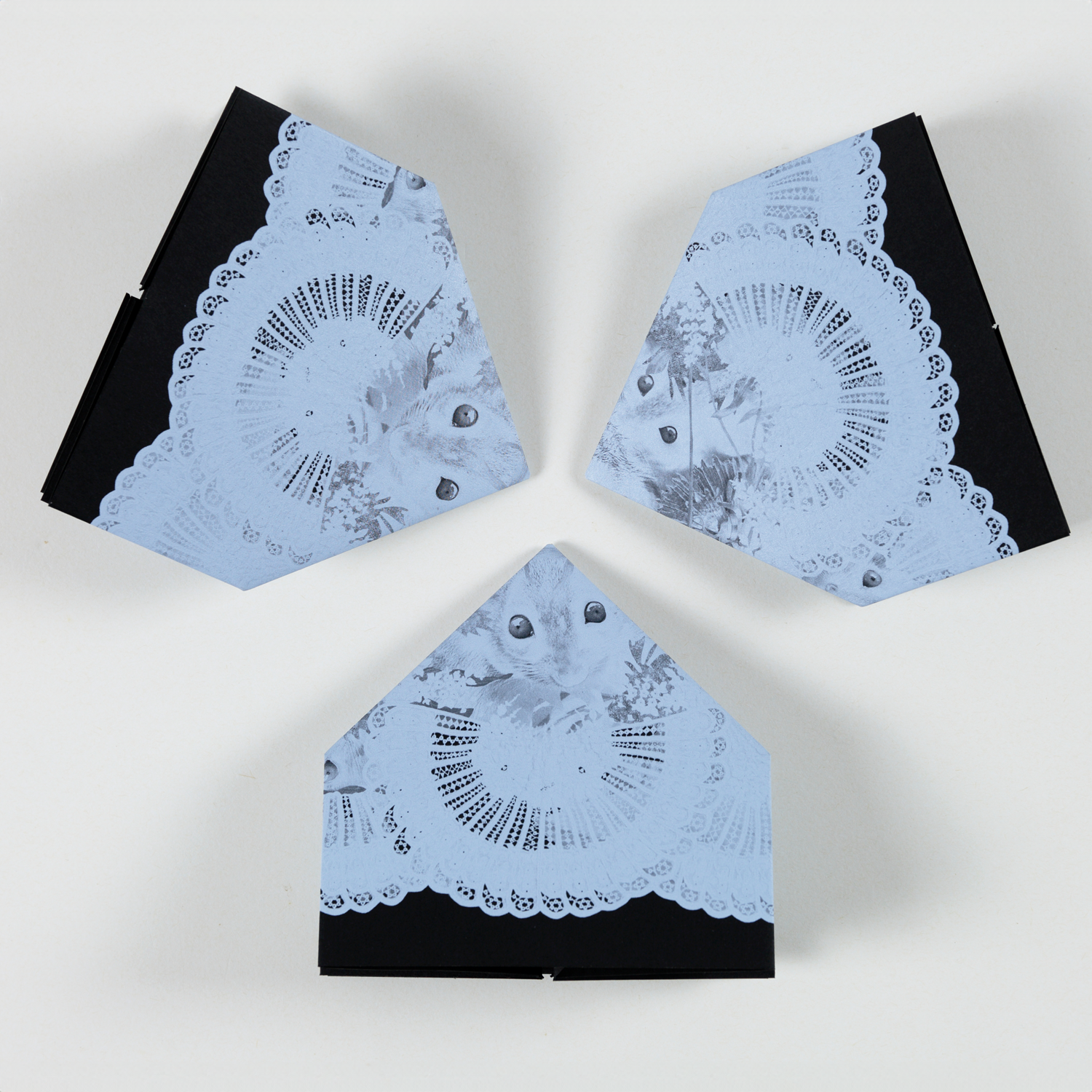
A 21.5cm X 21.5cm, Turkish Map Fold zine used to create a sculptural book form from a single piece of paper. As you open the zine, the piece of paper unfolds so you can see the entire sheet. Printed with Indigo Digital White on 140gsm Earl Black stock.
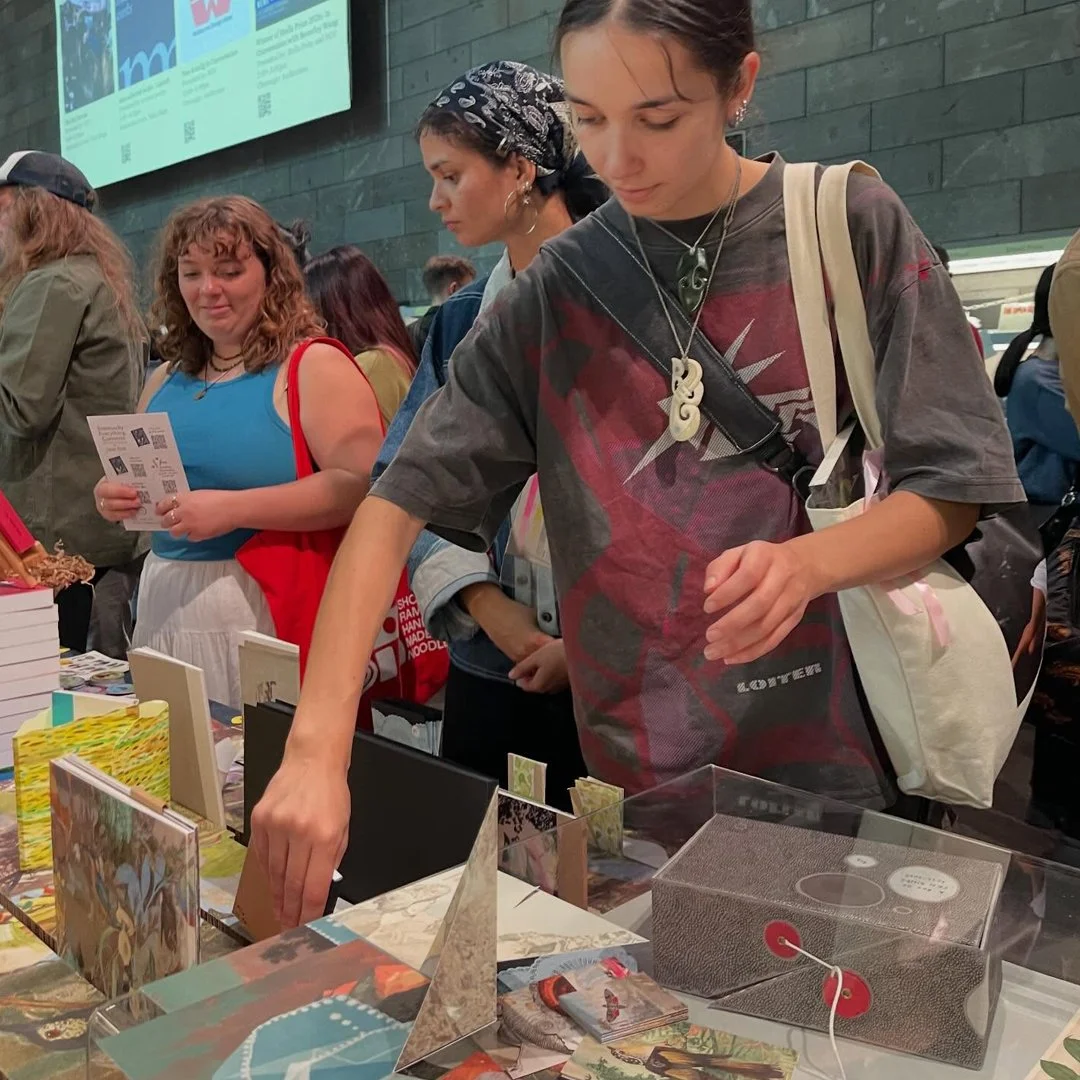
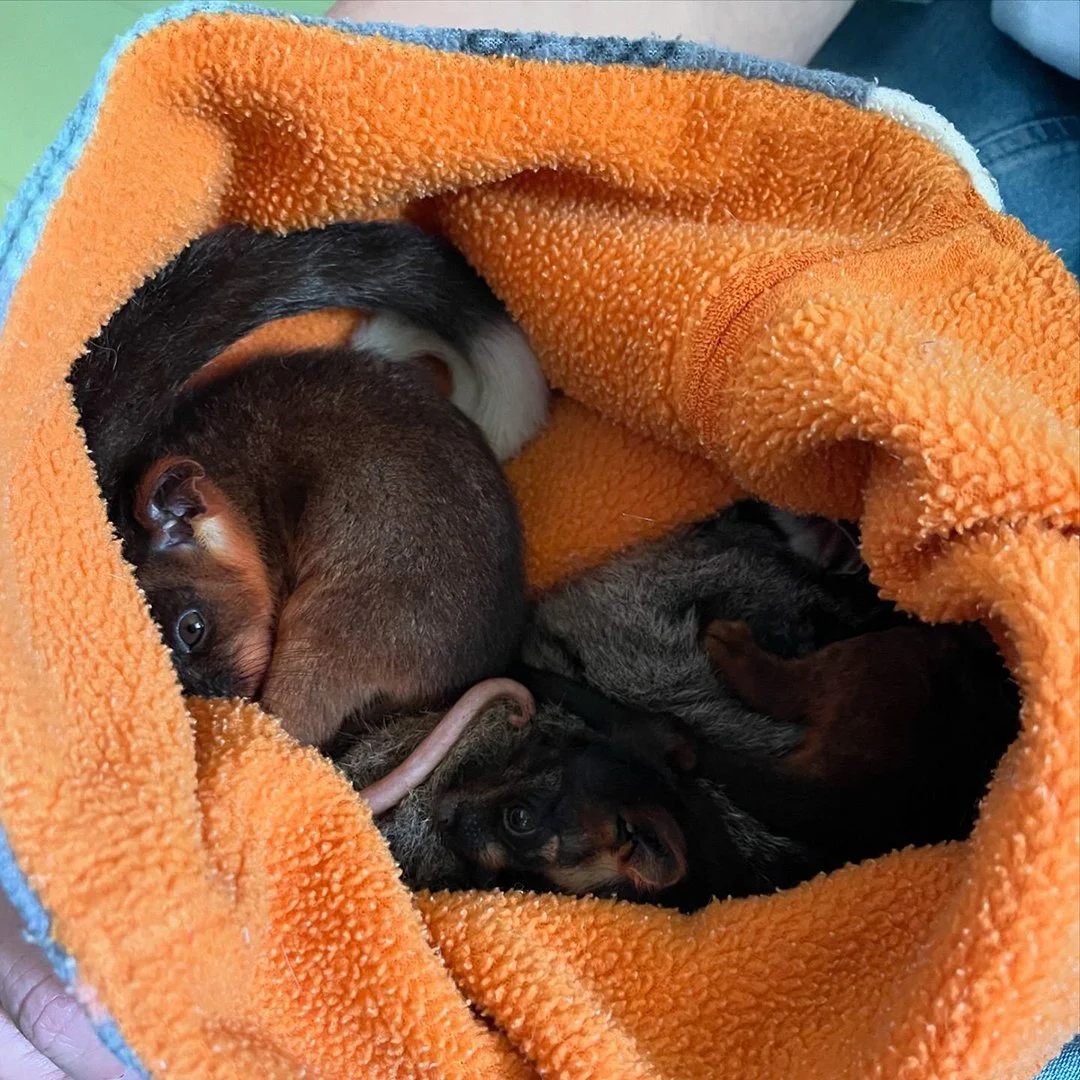
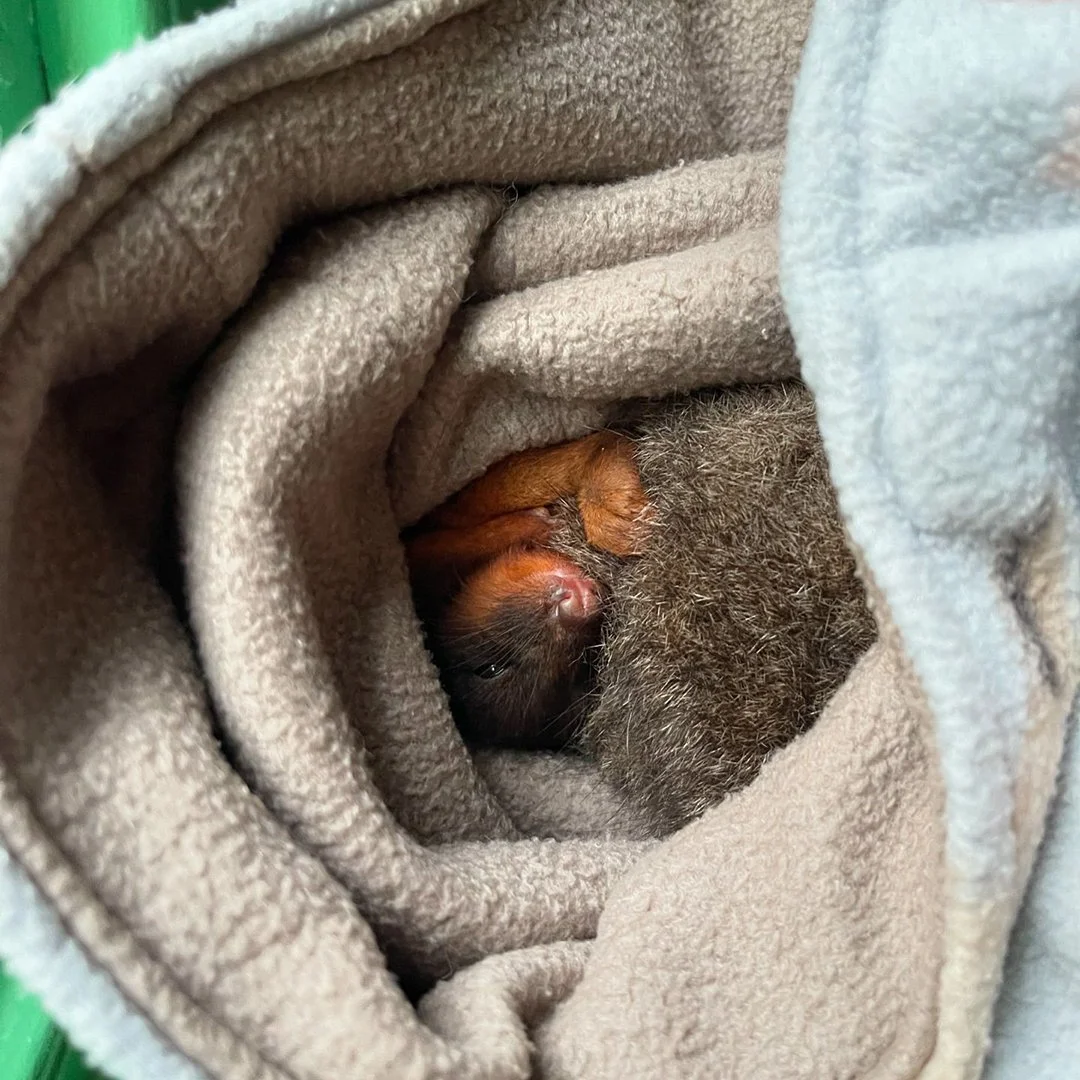
Juniper & the Berries was created especially for Sticky Institute’s 2025 Festival of the Photocopier, where it was released into the wild from our stall on Sunday, the second day of the two-day bumper fair. The zine was inspired by our recent Wildlife Victoria rescue and the subsequent care of Juniper, the Ringtail possum, and her three ‘berry’-joeys.
Juniper & the Berries was also read aloud, as part of our Kids Pumpkin Storytime session, presented by NGV as part of the eleventh Melbourne Art Book Fair, on Saturday 17th of May, beneath Kusama’s Dancing Pumpkin.
It needs to be rotated in your hand, to be read in full.


From Juniper & the Berries
We’d arrived before dusk, so as to have enough time to walk around the surrounding area of the release site where we’d initially collected Juniper, an adult ringtail possum with a bub on board rescue case we’d responded, called in to Wildlife Victoria (WV). Caught in a domestic atrium, we spotted the case still up on the WV portal and thought we could lend a paw to her, and her not one, but three, it transpired berry-joeys. From her huddled on the ground position, one ‘berry’ was by the base of her tail, another beneath her chest, and the littlest of all, smooth-furred and in her pouch, visible first as an apricot-hued tail curled to form a ring.
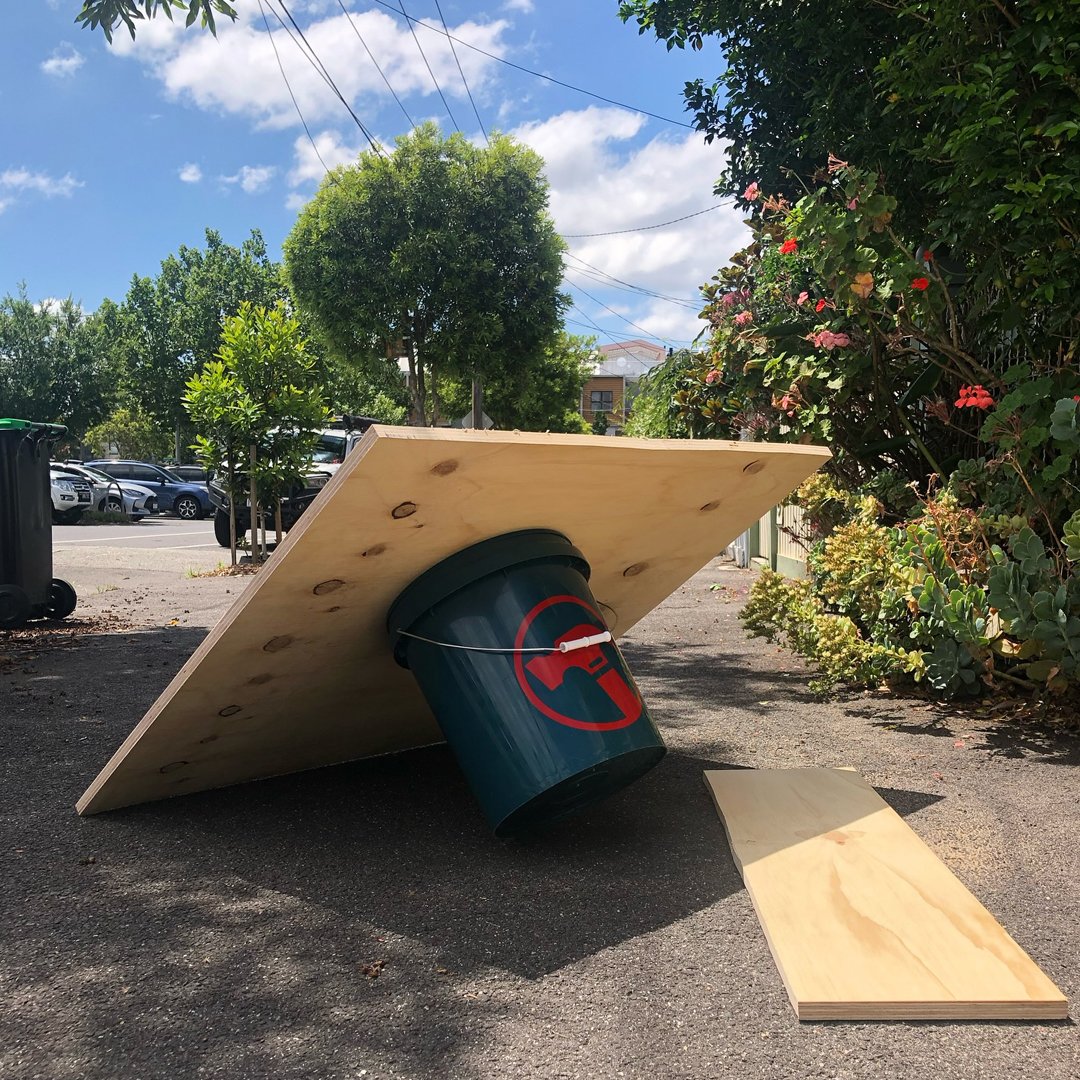
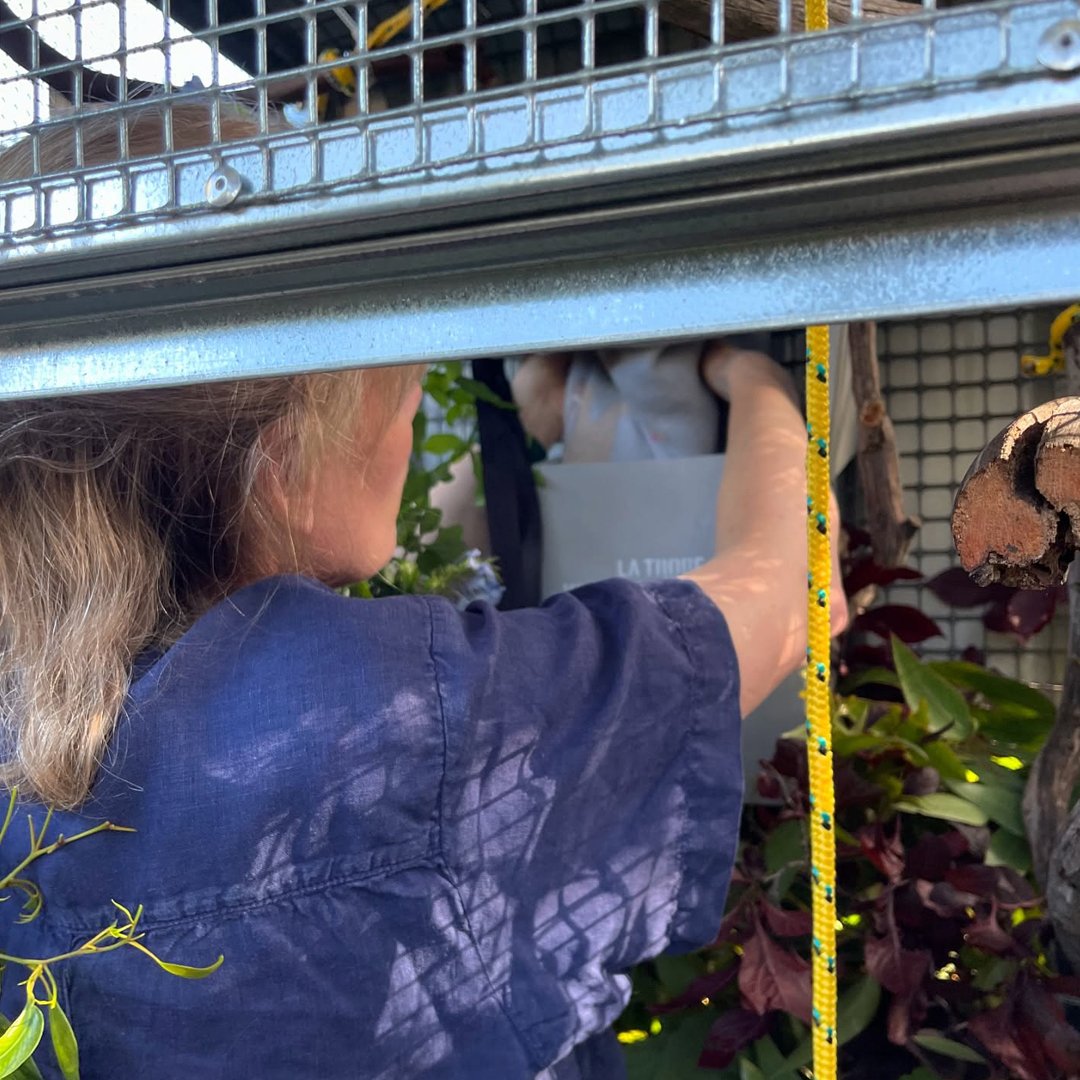
Now that Juniper was rested, her nose returned to a healthy pink, and she and her joeys had been examined by the WV vets and given the green light, it was time to get the family back to their home, before someone else moved in. The residential area was pleasingly, reassuringly full of possum food trees, and there was a small park replete with a native garden. We spotted trees that had their crowns evenly nibbled, and a fence line that meant that with relative, late-night ease, were you a possum, you could get to the lower, lush plantings. This has been one of the loveliest parts of wildlife care: seeing a new world open, a parallel universe, almost, before your eyes, as you look for signs of where a possum would go, and what would they eat. We look at the connecting canopies, the overhead powerlines, the means of getting from place to place in the arboreal world. Above our heads, another landscape. Side by side, a secret world we could easily miss, if we failed to read the signs.
…
﹏
RELATED LINKS,
BRACKETED BY LIGHT
BY HOOT AND GLIDE
STICKY INSTITUTE PRESENTS FESTIVAL OF THE PHOTOCOPIER 2025
NGV CREATIVITY CLUB: ZINE WORLDS WITH GRACIA AND LOUISE, 2026
RELATED POSTS,
“PRACTICE ANY ART… TO MAKE THE SOUL GROW”
A COUPLE OF QUESTIONS
SANCTUARY
BEHIND THE SCENES
MORE THAN FAIR, FOR SURE
BILL & JEAN
OTI, TOFFEE, & MARBLE
GENTLY FOLDED
JUNIPER & THE JOEYS
MANY EYES
ONE YEAR
IN WHICH FLOWERS, BATS AND POSSUMS MAY BE GROWN

Juniper & the Berries, a zine by Gracia Haby & Louise Jennison.
A 21.5cm X 21.5cm, Turkish Map Fold zine used to create a sculptural book form from a single piece of paper. As you open the zine, the piece of paper unfolds so you can see the entire sheet. Printed with Indigo Digital White on 140gsm Earl Black stock.
Juniper & the Berries was created especially for Sticky Institute’s 2025 Festival of the Photocopier, where it was released into the wild from our stall.











3/ Gracia Haby & Louise Jennison
(Imagined) field notes
2025
Indigo Digital print zine
Edition of 75
Collage created for World Book Night (WBN) United Artists 2025 — Tell The Trees (Listen to the Trees)
Bower Ashton Library, University of the West of England (UWE), Bristol, UK
Thursday 3rd of April – Wednesday 30th of July, 2025
WBN 2025 is organised by Sarah Bodman and Linda Parr with significant book recommendations from Rachel Marsh and input from Nancy Campbell.
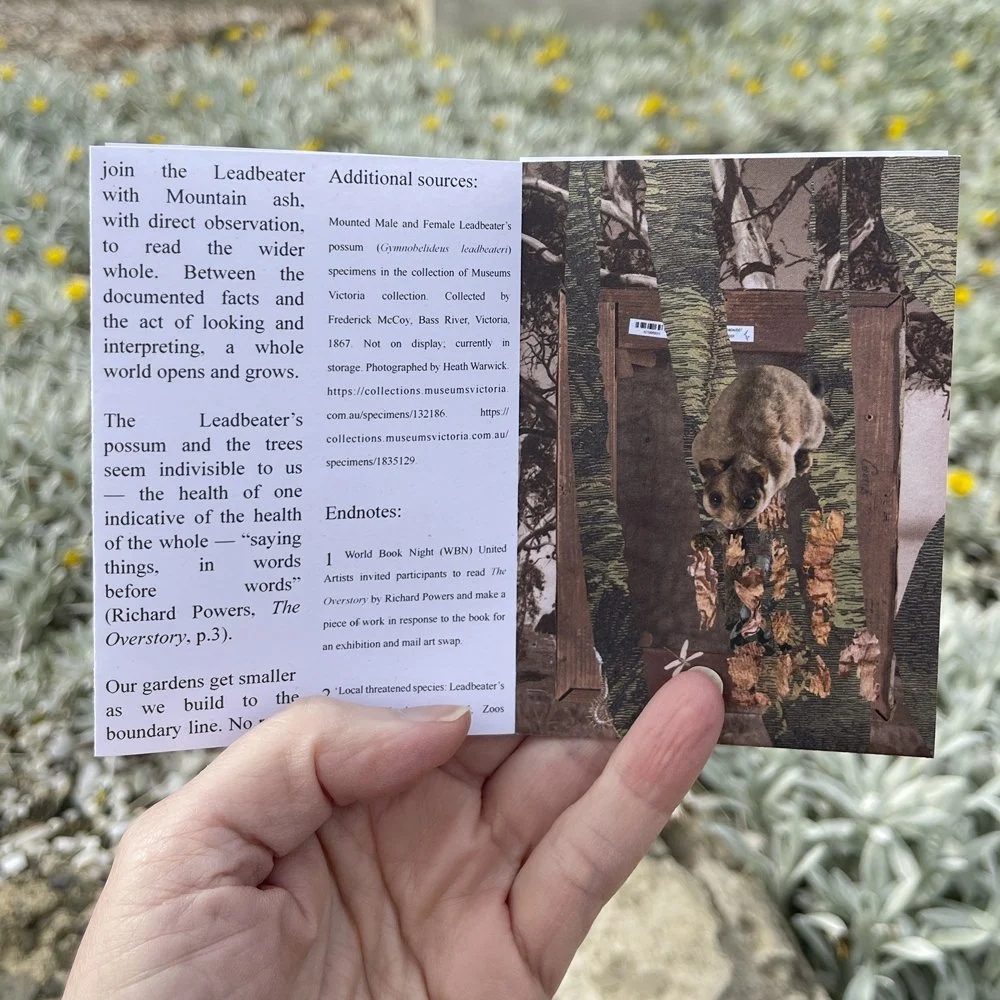
Especially for World Book Night, we created (Imagined) field notes, a single-sided A4 sized celebration of trees in the form of a zine that can be printed, folded, and cut upon receipt, and read. When printed and folded, the zine is 10.5cm (h) by 7.5cm (w), though, that said, it needs to be open to read the beneath-the-canopy text. It is currently being shown in a forest of trees as part of an exhibition, Tell the Trees (Listen to the Trees), at Bower Ashton Library, UWE Bristol, UK, from Thursday 3rd of April, 2025.
(Imagined) field notes, in addition to being printed out and distributed as part of World Book Night 2025, has also be made into a zine of the same name, especially for the 2025 NGV Melbourne Art Book Fair (Friday 16th of May – Sunday 18th of May, 2025). (Imagined) field notes was also one of several zines and artists’ books we read aloud, as part of our Kids Pumpkin Storytime session, presented by NGV, on Saturday 17th of May, beneath Kusama’s Dancing Pumpkin.
A 21cm X 30cm (folded to 10.5cm X 7.5cm in proportion), full-colour zine.
It needs to be fully opened in order to be read in full.


●
﹏
RELATED LINKS,
WORLD BOOK NIGHT 2025
NGV MELBOURNE ART BOOK FAIR 2025
LOOKING FOR GREEN, REMAINING HOPEFUL, WBN 2024
WE REMEMBER, WBN 2023
RECALL
RELATED POSTS,
BRILLIANTLY FAIR
STAGE SET
”SAYING THINGS, IN WORDS BEFORE WORDS”
PIECE BY LEAF
CONNECTING THREADS
ROSE, CONSTANCE, & HARRY
AND SOMETIMES, IF WE LET IT
UNDERSTORY
MAKING A TREE HOLLOW FROM A LUNAR CRATER
THREE DAYS IN THE GREAT HALL

(Imagined) field notes, a zine by Gracia Haby & Louise Jennison.
A 21cm X 30cm (folded to 10.5cm X 7.5cm in proportion), full-colour zine.
The Australian launch for (Imagined) field notes was from our stall at the eleventh Melbourne Art Book Fair. (Imagined) field notes was originally created for World Book Night (WBN) United Artists 2025 — Tell The Trees (Listen to the Trees).
Tell The Trees (Listen to the Trees)
WBN United Artists invited responses to The Overstory by Richard Powers for an exhibition and mail art swap at Bower Ashton Library, Bristol, UK. We received over 200 works by artists from countries around the world including: Australia, Austria, Belarus, Brazil, Canada, China, Cyprus, France, Germany, Hong Kong, Ireland, Italy, Japan, Mexico, Netherlands, New Zealand, Norway, Poland, Portugal, Singapore, Spain, Sweden, UK, USA.
Responses to the book developed our overarching theme — to look after our environment, listen to it and take care of it. Artists works have been created in praise of particular trees or forests and to campaigners and activists who work to protect them and engage others with caring for the environment. Many recalled their experiences of standing with trees and experiencing the peace of nature, being grateful for the restful space they provide.
Contributors celebrated the bounties received from trees as fruit bearers: Apple, Blackthorn, Chestnut and Quince. Native species are celebrated from Aotearoa and Wollemia trees in New Zealand to Ash trees in the UK, a Trembling Aspen near Banff, Alberta; a Tulip Poplar in Bucks County, Pennsylvania; a Mimosa tree in Winchester, UK. Works were made in response to Pine Trees ancient and new, Oak and Maple trees in New York state and across England and Wales, an ancient Ash tree in Yorkshire and Oak Tree in Greenwich Park, portraits of trees in Victoria Park, London, Cornish Magnolias announcing the coming of Spring, Nahua and Purépecha traditions, as well as the trees of their places of origin in Mexican states such as Guerrero, Guanajuato, and Michoacán in Mexico.
National parks, woods and forests that have offered shelter and space included: Highgate Woods and Wimbledon common in London; Kensington Gardens in Philadelphia, USA; Bingley valley in West Yorkshire; the Langdale valley, Cumbria; New South Wales, Australia; Speyside and Cairngorms National Park, Scotland; the Amazon rainforest, Brazil; the Marsh-Billings-Rockefeller National Historical Park, Woodstock, Vermont, USA; the Lucombe Oak tree in Widey Woods, Plymouth UK; the Haagse Bos, Netherlands (a zine printed by Ton Martens on the Korrex proof press at the Huis van het Boek).
World Book Night 2025 is organised by Sarah Bodman and Linda Parr, with input from Nancy Campbell and Rachel Marsh, and help from Marian Kilpatrick and Shaun Oaten.
WBN




4/ Gracia Haby & Louise Jennison
Here is something that might have happened I and II
2025
Collages and narrative, With a wingspan of a couple of books, a couple of centuries, created for The Earth is Us collaborative webzine for Earth Day 2025 organised by Jean McEwan
Tuesday 22nd of April, 2025
Since spending time in the collections of the Baillieu Library, University of Melbourne, and the State Library Victoria looking at luminous entomological studies from near and far, and behatted snails in the marginalia of medieval manuscripts, resplendent insects have been on our minds of late, so it came as no surprise that our The Earth is Us contribution of two collages and accompanying narrative should spring forth sporting a pair of wings of its own.
●
With a wingspan of a couple of books, a couple of centuries
If I closed my eyes, I imagined the collection, stacked side by side, grew into each other, whilst closed, like tree roots and mycelium pathways, like arboreal canopies for wildlife and the passing of knowledge-ways. Through the pages, through the covers, through the archival casings, they grew together, shelf by shelf, row by row, the entomology section of rare books in the library. Perhaps they spanned out into nearby sections, early paleontological works in English, French, and German, and into the history of architecture, and interior design plates. Growing over man-made forms, and altering their scale in the process as they absorb periodical titles. A charm of butterflies in a dining room, a spring of insects in an entrance way, they grew over and greened all that was before them, when no-one was looking. Here is something that might have happened, skeetering about the margins.
﹏
RELATED POSTS,
TUNNEL & PEEP
MARVELS, WINGED AND TAILED
MICROSCOPIC RECREATIONS
If insects are Planet Earth’s diversity success story (and they are), then beetles are their flag-bearers. They number, at the last count, about 400,000 species. That’s 40 per cent of insects, and 25 percent of all animals. And there’s a pile more in the in-tray, awaiting description.
— Lev Parikian, ‘The Beetle’, Taking Flight: How animals learned to fly and transformed life on Earth (London: Elliott and Thompson Limited, 2023), p. 41


Q & A
Answered for RMIT University School of Art student, Genevieve Margeaux
Thursday 27th August, 2026
When did you respectively discover your passion for conservation? And how did you discover you shared this value and wanted to make work about it?
Since reading Robin Wall Kimmerer describing such awakenings in her students, this has perhaps always been there for us both, and we are only recently remembering it.
The megafires of 2019–20 brought it especially to the fore, in the sense that we looked at lots of different ways we could help (planting and weeding days, building nesting boxes) and this dovetailed into our artwork in a more direct way. We created the Hemline series in response to the megafires, and this is a series that requires you to tear open the pages and ‘take action’ as a reader. We didn’t want to feel like we were ‘taking’ the source material, and not ‘giving back’ or starting important conversations.
In seeing the world through or at least trying to see the world through another species’ eyes, new visuals emerge and a new sense of what the world can be as well. In working with animals, through our wildlife shelter, Tiny but Wild, we get to be up close to animals, but more than that we get to know each one on an individual level, and so the release, the return to habitat (which is always the desired outcome, if not always possible because of his or her injuries/condition), is a gift that ensures we’ll keep going. Both the wildlife care and rescue work and the art work, that is. They’re becoming more and more interwoven. And they’re both a portal to someplace else.
When you started out in the late 90s did you have a clear vision of the work you wanted to make — both materially and thematically? How did your work evolve?
Each project has always had a clear vision of where it was heading, in terms of the structure of the work and the feel, but the actual appearance was, then, and is, now, surprising. In part because all work has to adapt to unknown factors that arise, and because you unearth things along the way. Sometimes this will be a technical or a financial constraint, and sometimes it will be because something has caught your eye along the way and grown into the unexpected. It is the same with writing, really. You have a plan, but the writing reveals things to you along the way and you lean into the process. A fixed framework with room to swing and surprise yourself. If you are not surprised by the outcome, can the reader or viewer be?
We also try to edit a work, rather than throwing every idea at it. Keeping the focus, so the reader or viewer isn’t too bamboozled (unless, of course, that’s the aim).
Paper and animals have been the mainstay, but the conservation component (especially in regard to habitat loss, human encroachment, species extinction, and positing: what do things look like from another soul’s vantage point) has come further to the fore. It is our way to ‘give back’.
We are also actively trying to decompose the use of ‘it’ when refereeing to an animal or a tree, and, as Robin Wall Kimmerer wrote: “speaking with the grammar of animacy brings us all into [a] circle of moral consideration”. When we say ‘it’, we are placing those ‘things’ outside of our personal circle of moral consideration. But perhaps our answer is now getting a little off track…
How did you hit your stride? Was there a lot of trial and error or did it just come together?
Thank-you, that’s very nice to hear. Have we hit our stride?
We’ve always tried to make any opportunity big or small important. So whether a project is as large in scale as a mega bat with their wings fully extended or a microbat in torpor, we’ve given every project our full attention. And practice, practice, practice, rehearse, rehearse, rehearse, finesse, finesse, finesse, and then, let go, ease into it. That’s been our method. That’s our means to make it appear as though it has just come together or, indeed, always been there.
Writing things down helps us clarify an idea, stripping the piece of unnecessary components. And plenty of trial and error. An ugly Word doc is a personal must, so, too, scribbling things down, raw and rough. Not all parts of the process are beautiful, clear, and needed.
Who are some of your greatest influences?
Dance and cinema are some of our greatest loves and influences. Contemporary and classical, all kinds of dance. Something about the invitation to sit, more often than not, in the dark, and contemplate whatever it is that unfolds. There is a directness we both respond to, and the fleeting, in the moment bliss of something live, never to be repeated. Cinema’s escape too, on the heels of 47 films seen at the Melbourne International Film Festival. Linking to earlier, editing an idea, polishing one key strand, this is something we’ve borrowed from film. Which might not immediately seem so, given the layers and layers of collage pieces.
Add to that, reading broadly (fiction and non-fiction). And generally being open to anything that can impress upon your core, a new way of being, feeling. A happy hum. Being outside, in and of nature, greatest influences?! So many. Endless, for now. For ever, we hope.
What advice would you give a young person starting out in the art world and making art that is rooted in activism?
With all things, keep going. Persistence is a huge part of it, and a rewarding element as well. And perhaps, once you’ve learned a thing inside out, cast it temporarily to the side, and let it infuse into the work, so that it feels less like a school assignment, and more organic.
To paraphrase from Mary Oliver, attention without feeling is merely a report, so always making work from a deep connection is important to us.
Thanks so much for the opportunity, and hope this helps.
Cheers,
G&L
A COUPLE OF QUESTIONS (Marginalia)
