CAN WE DREAM IT?
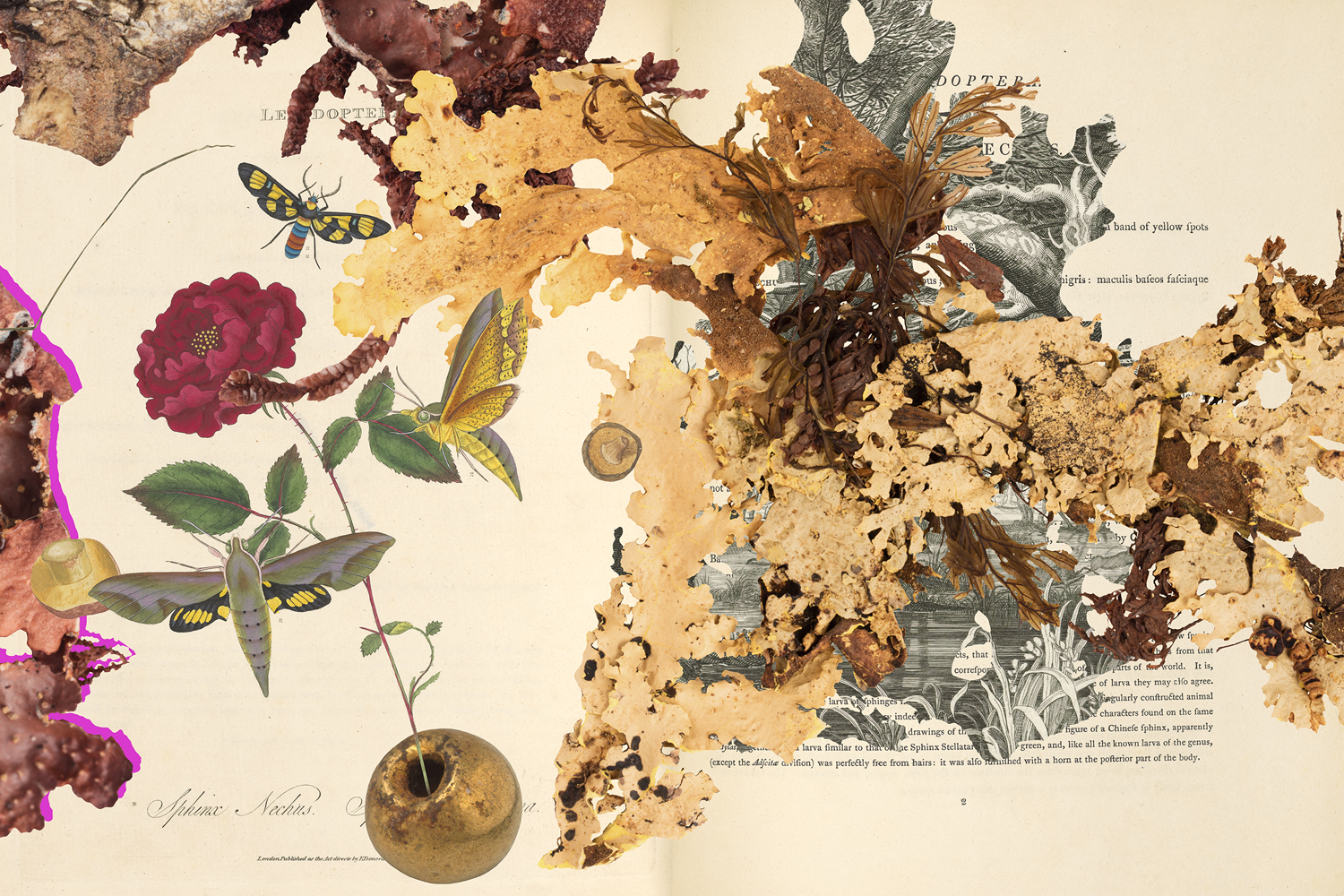
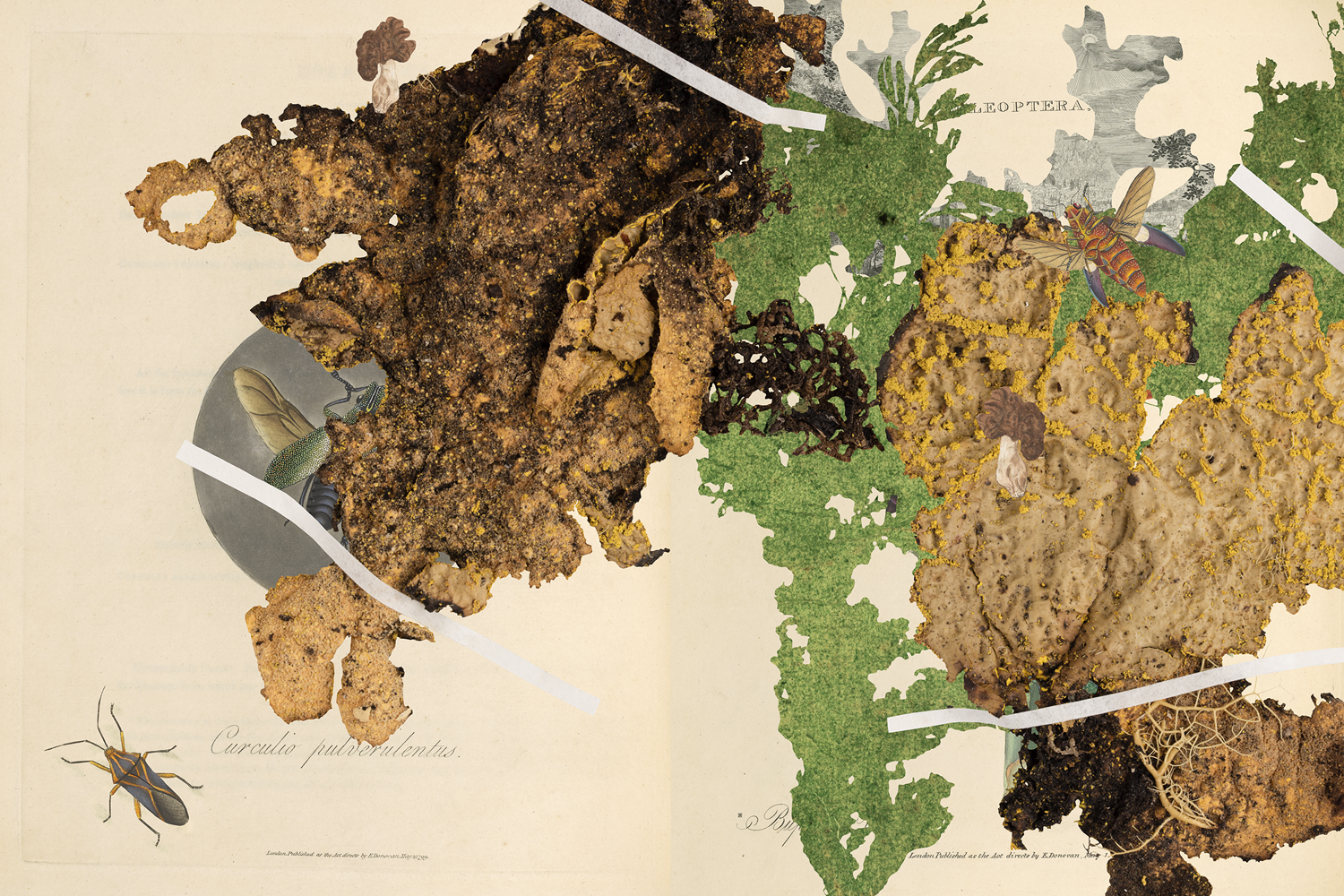
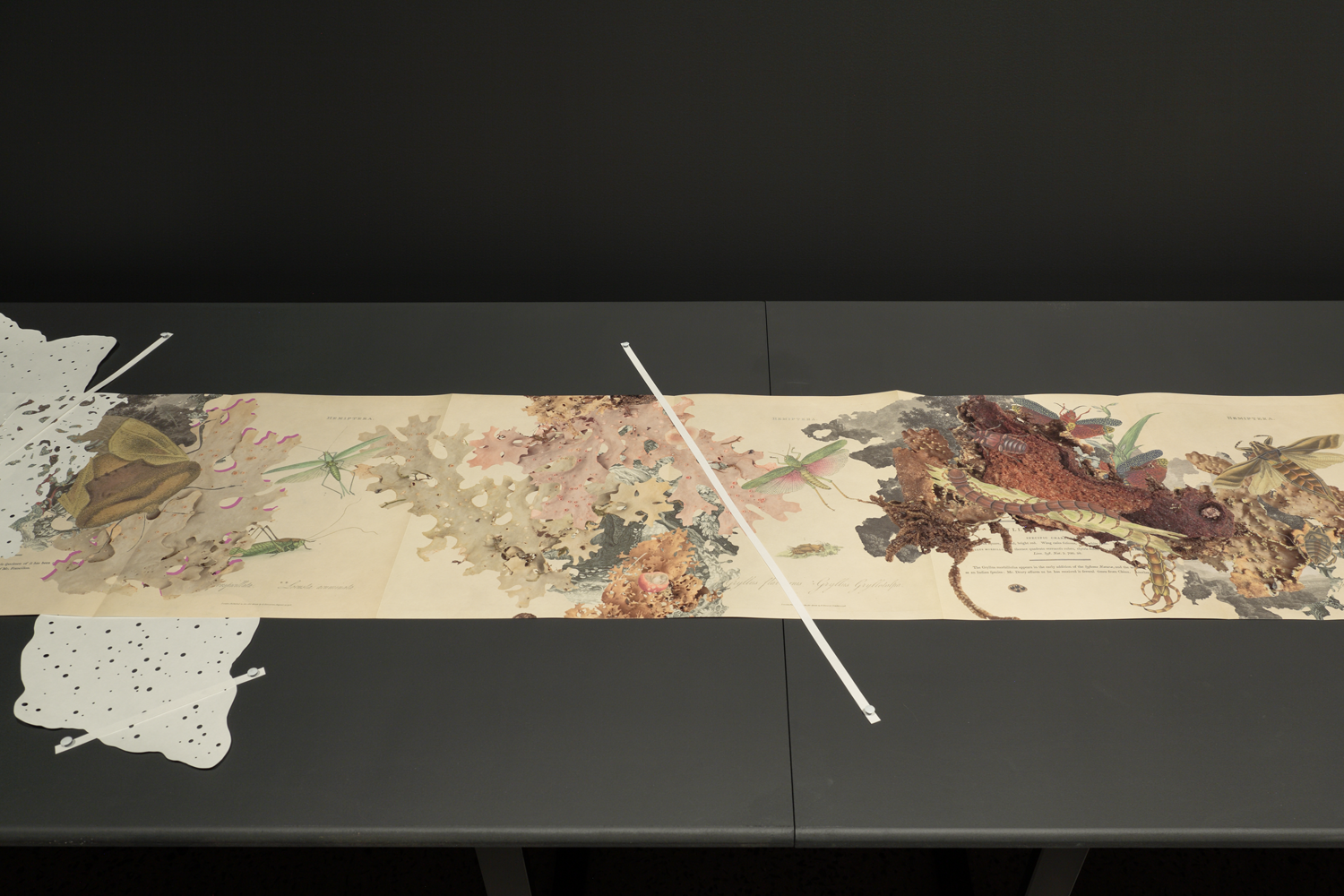
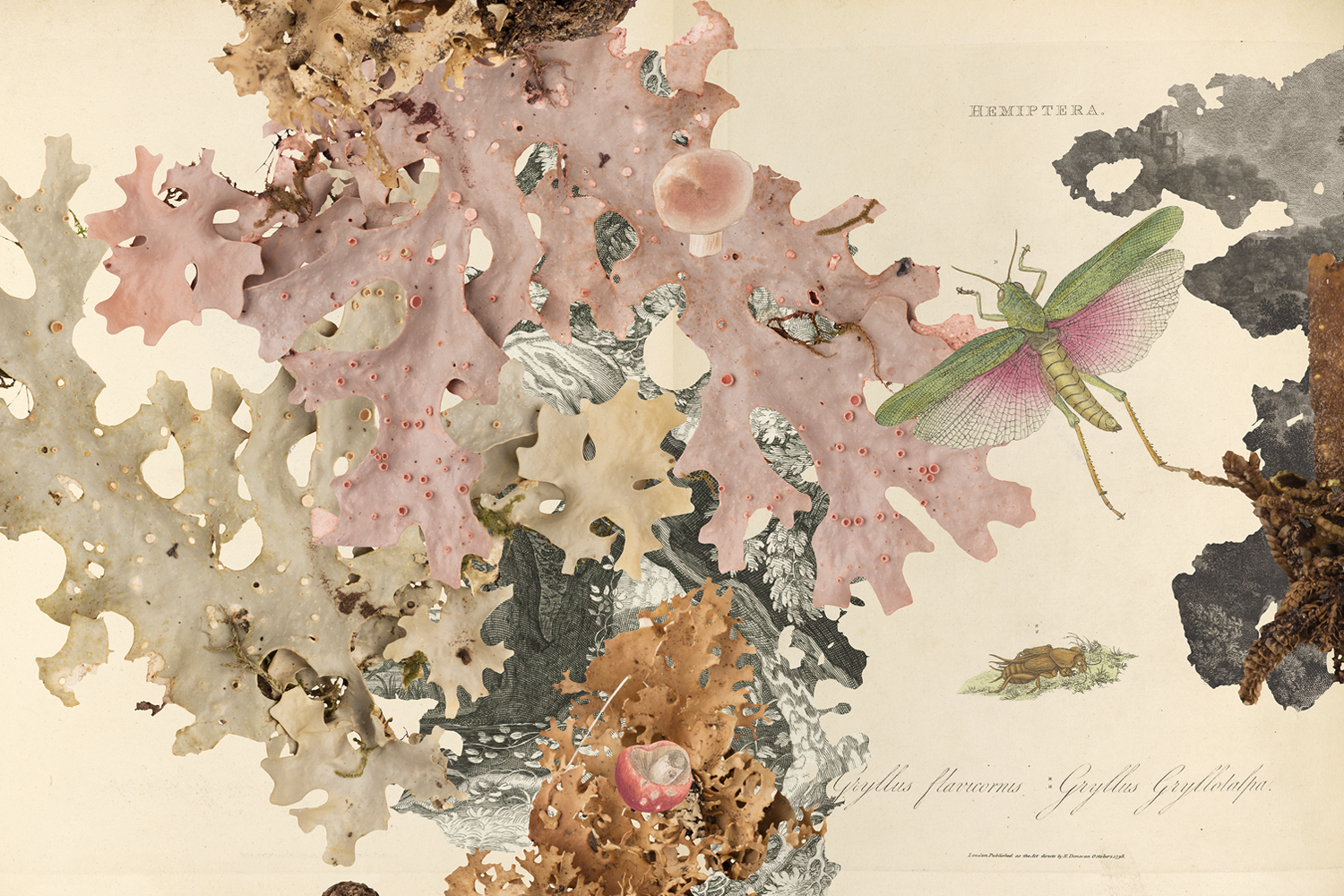
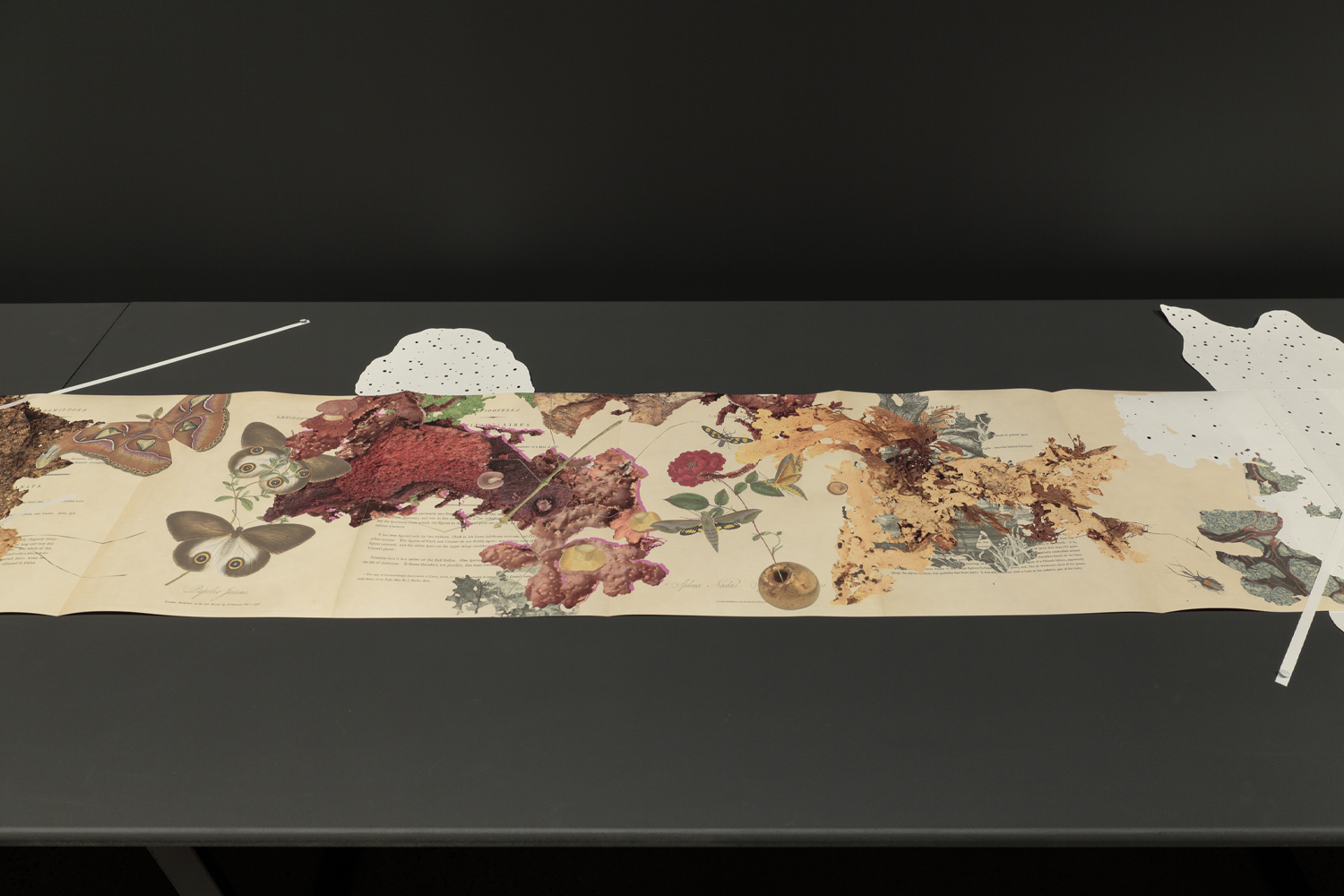
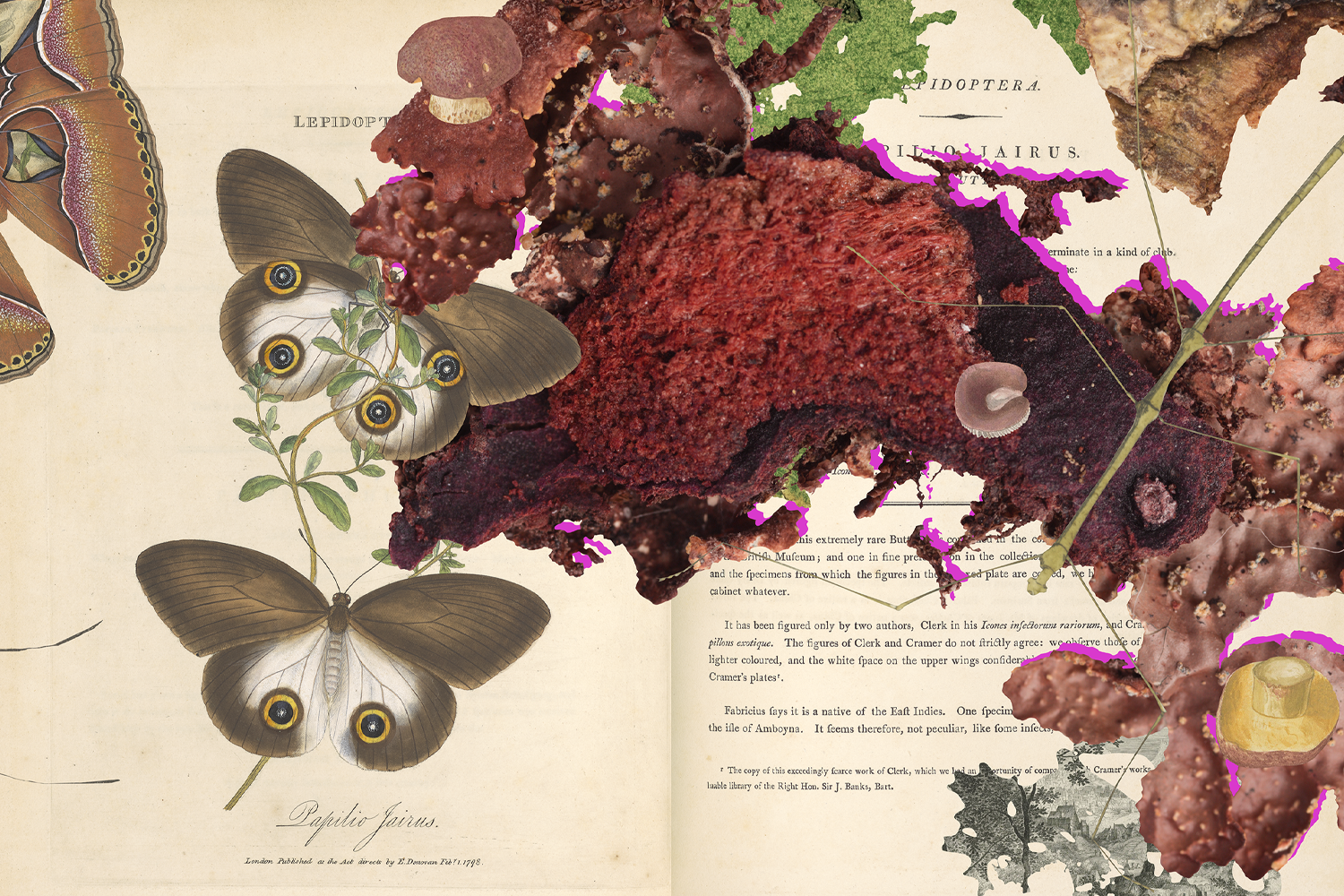
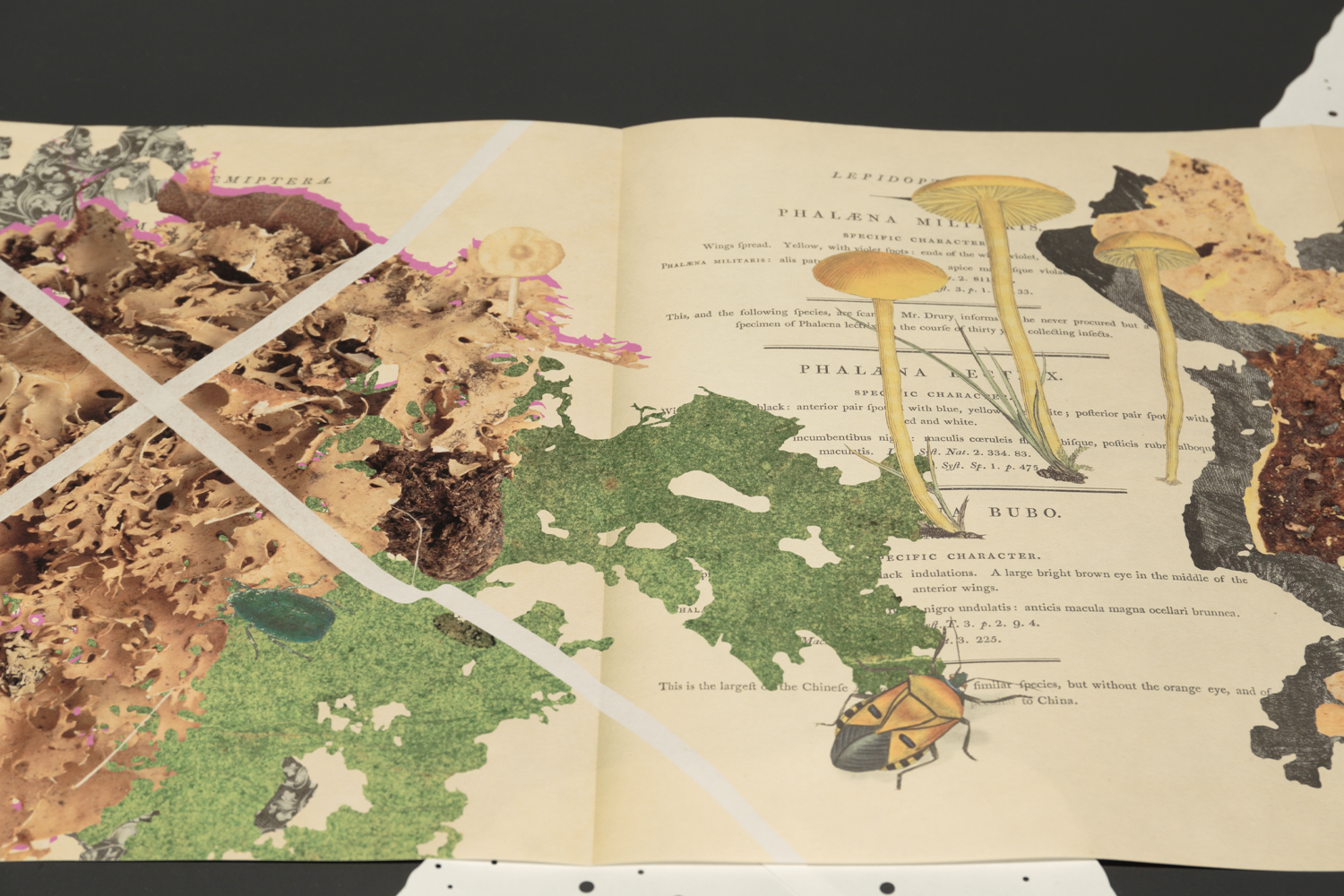
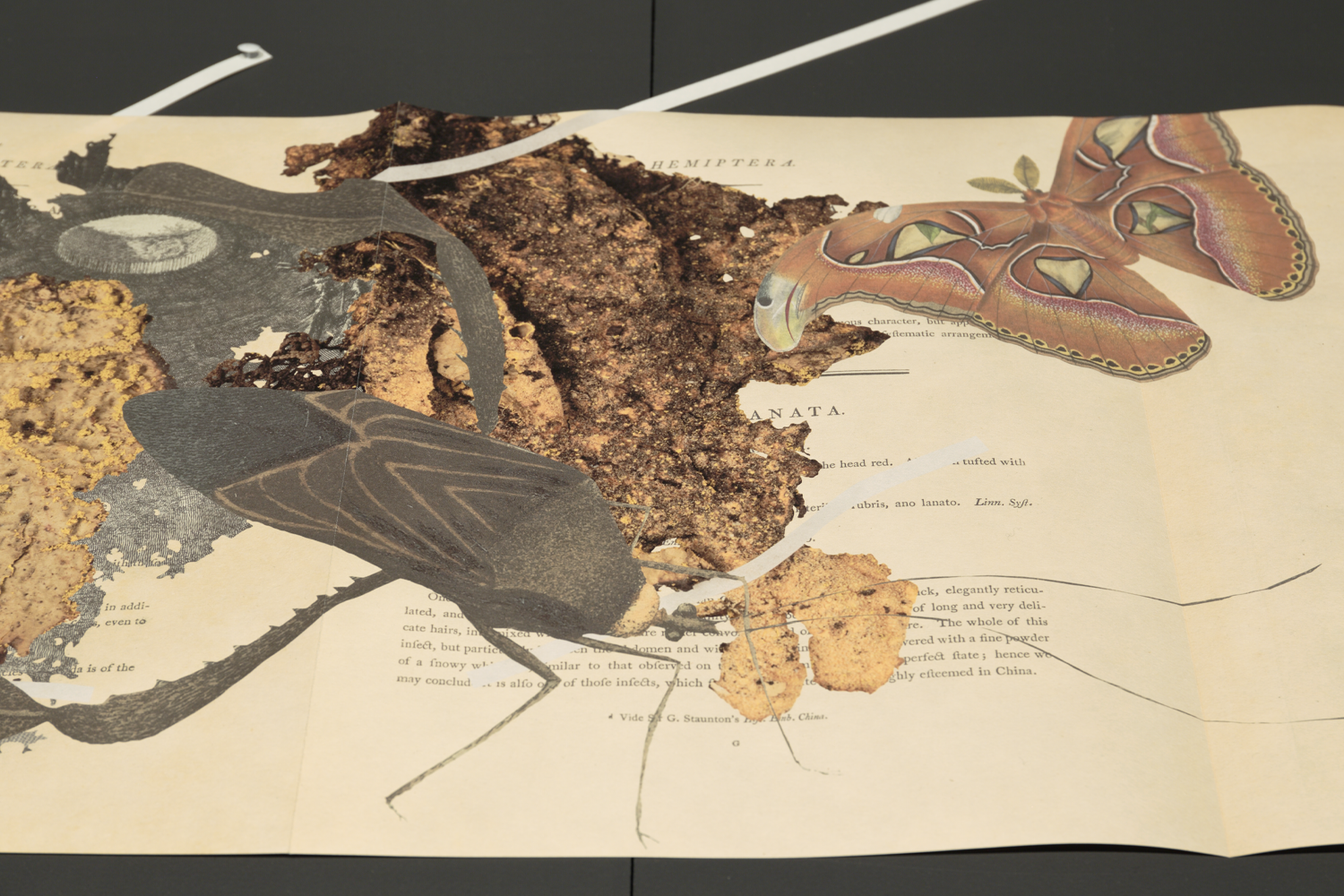
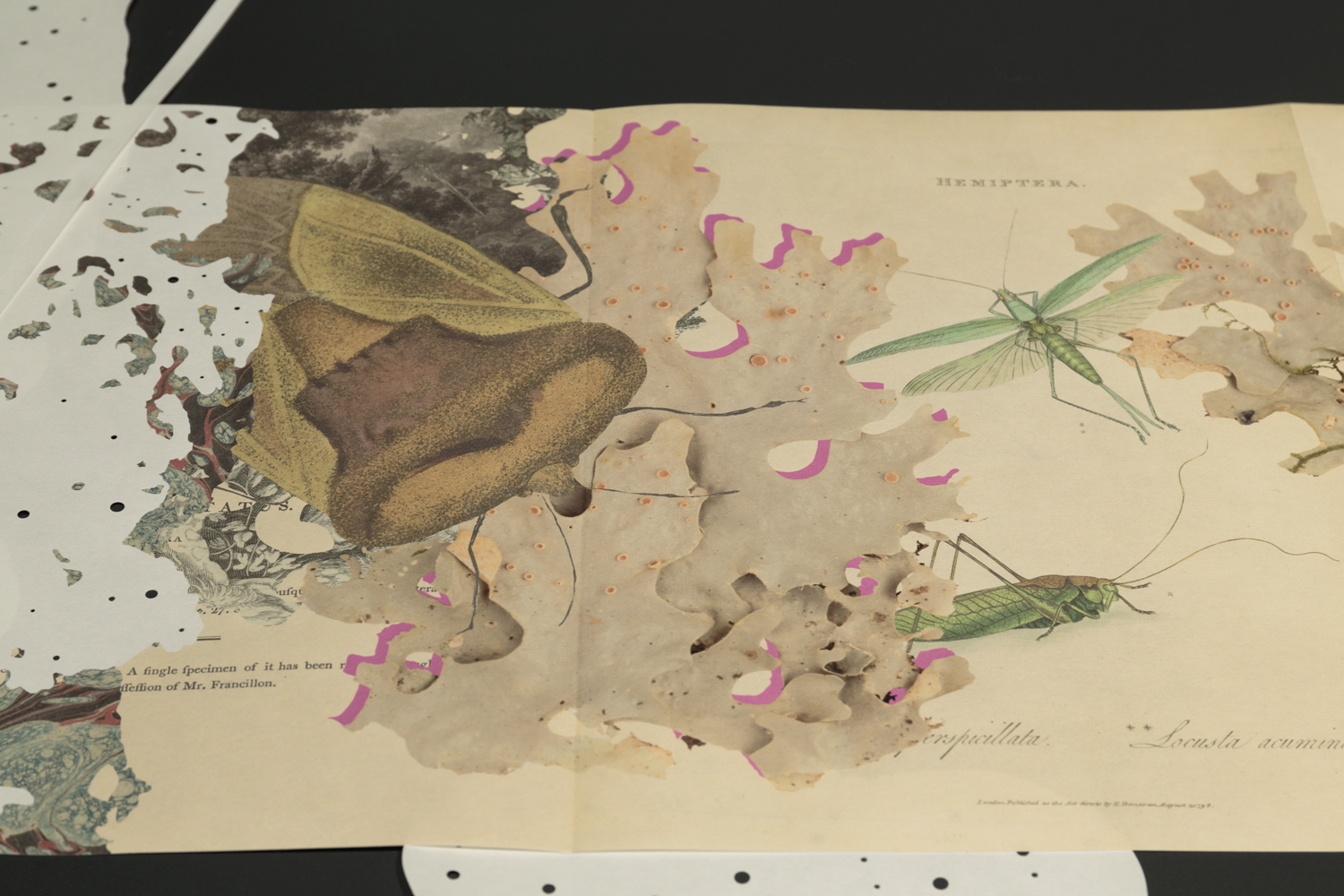
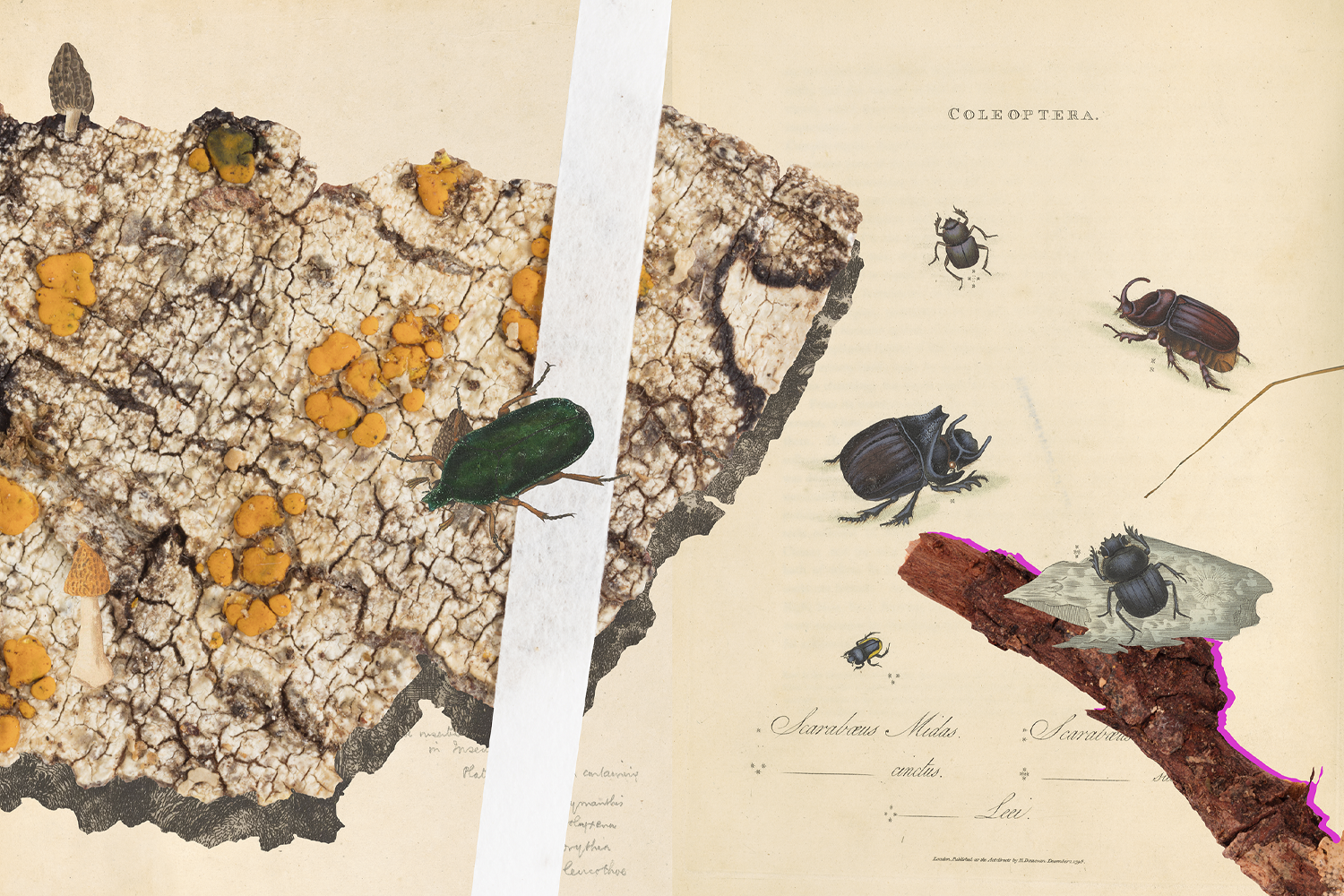
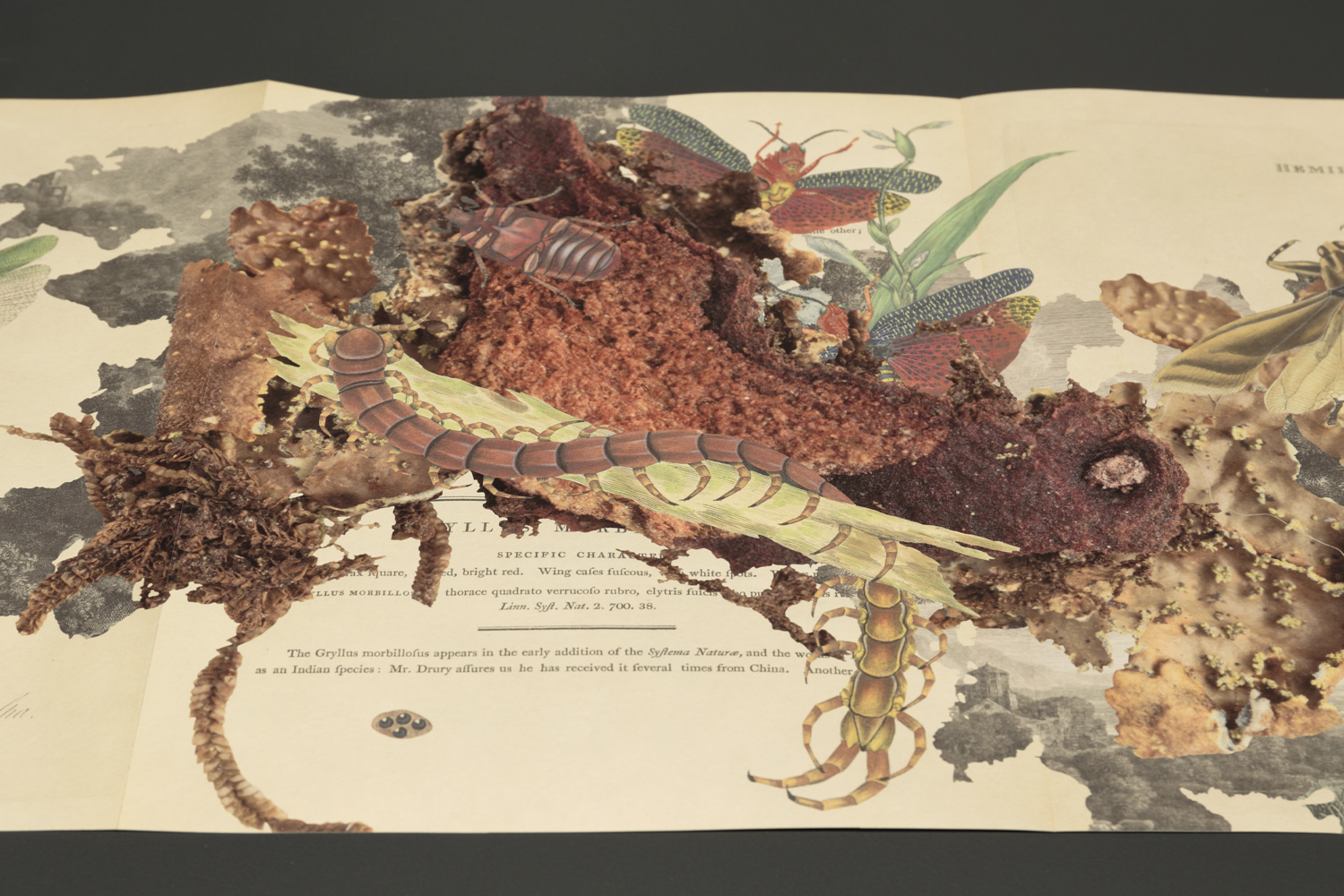
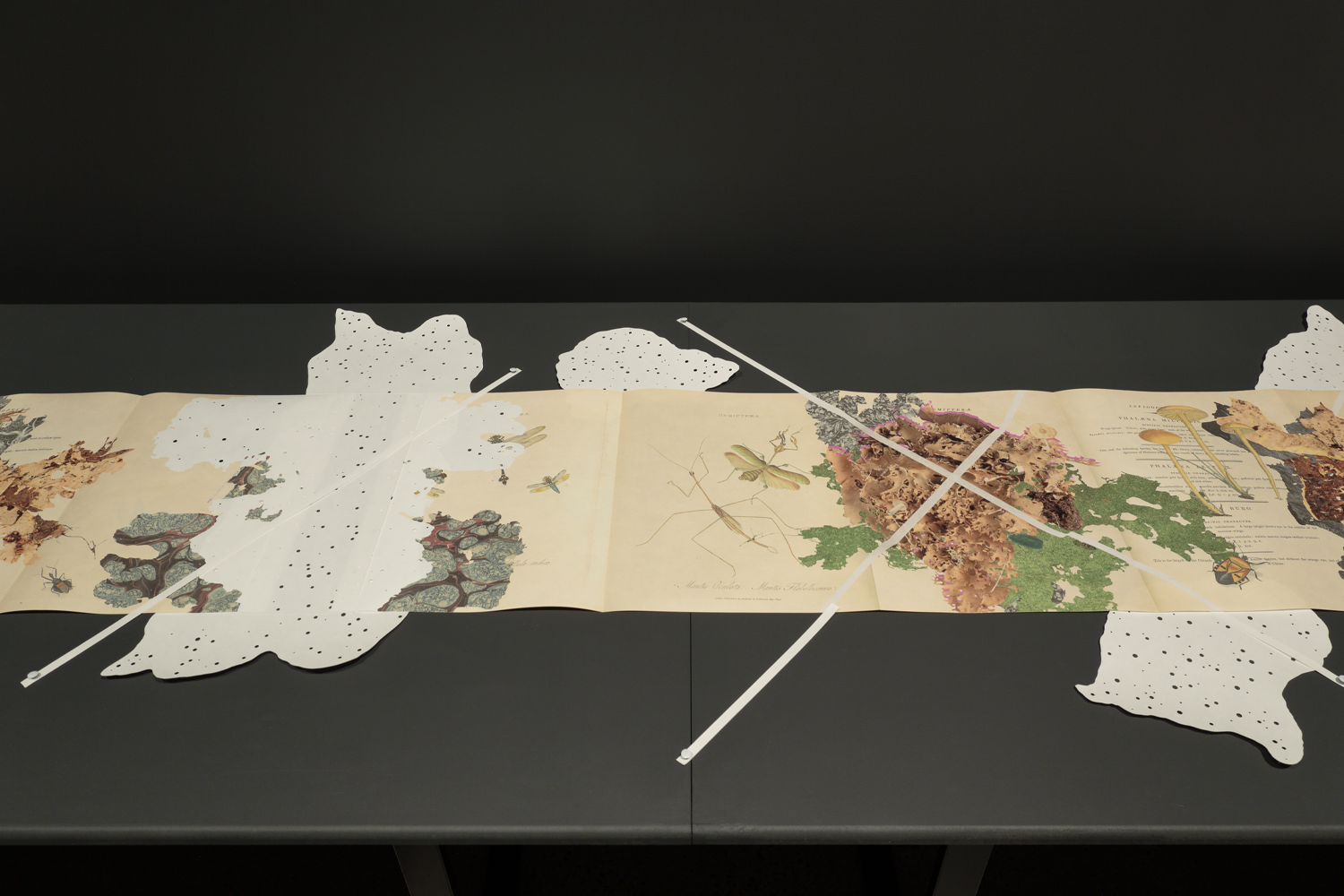
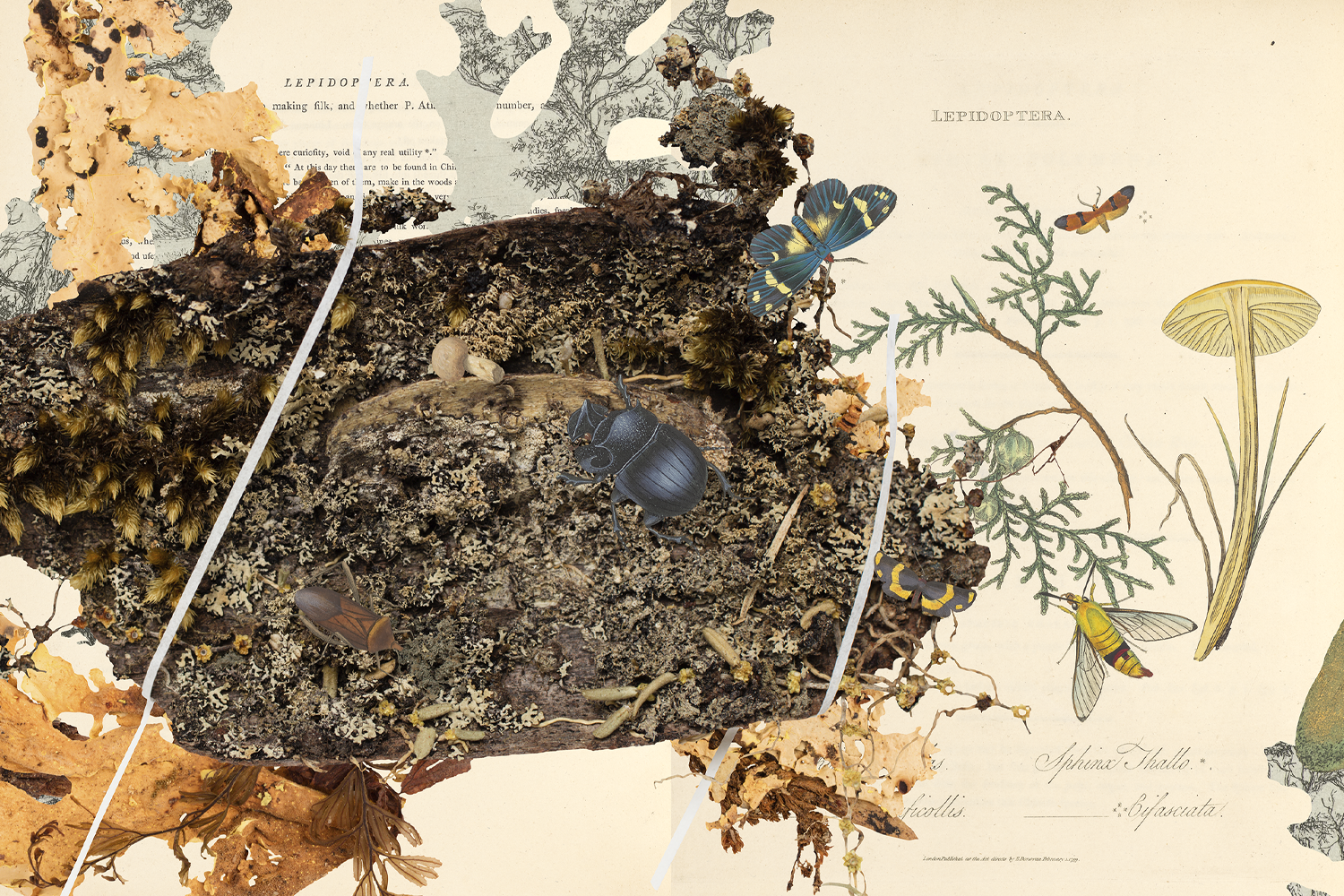
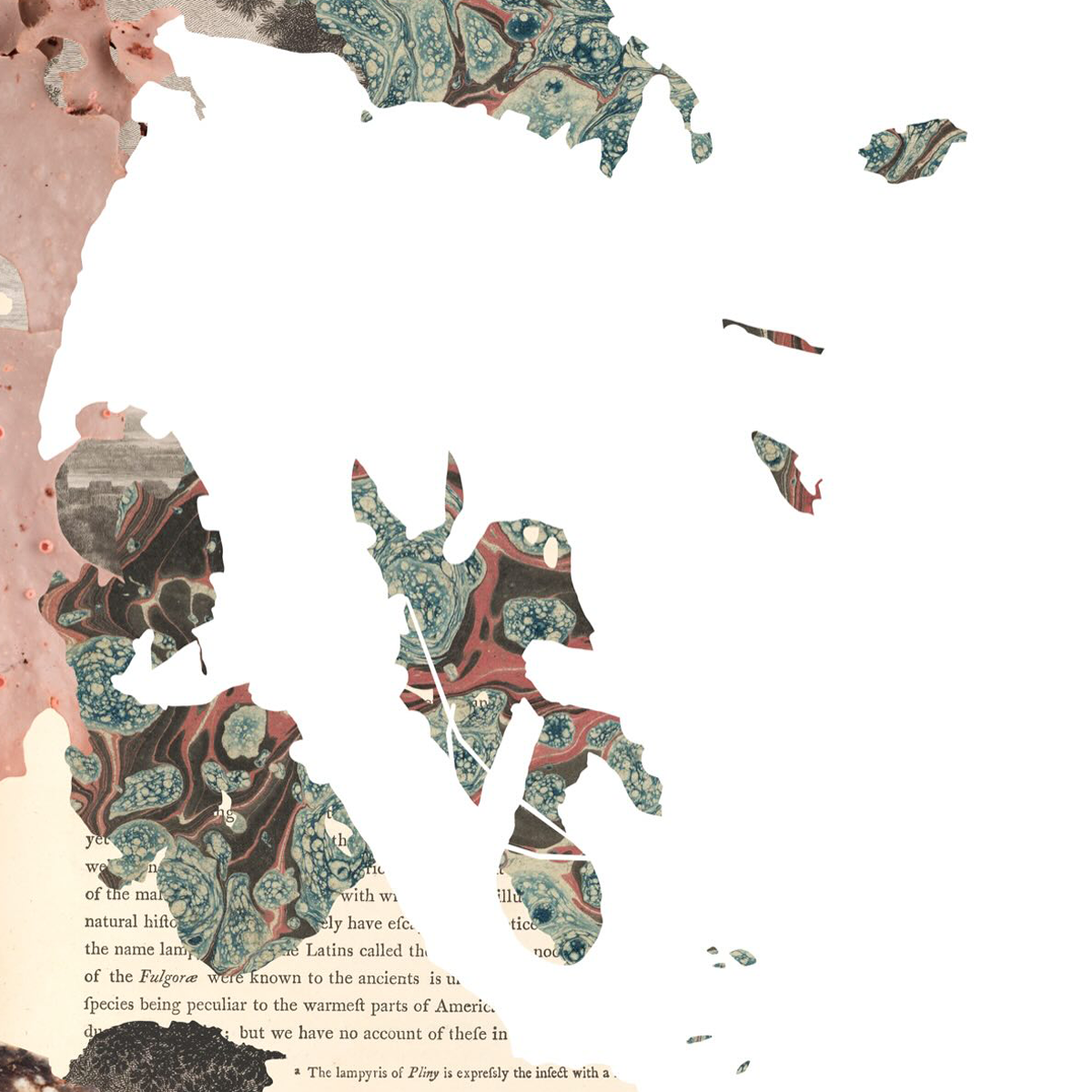
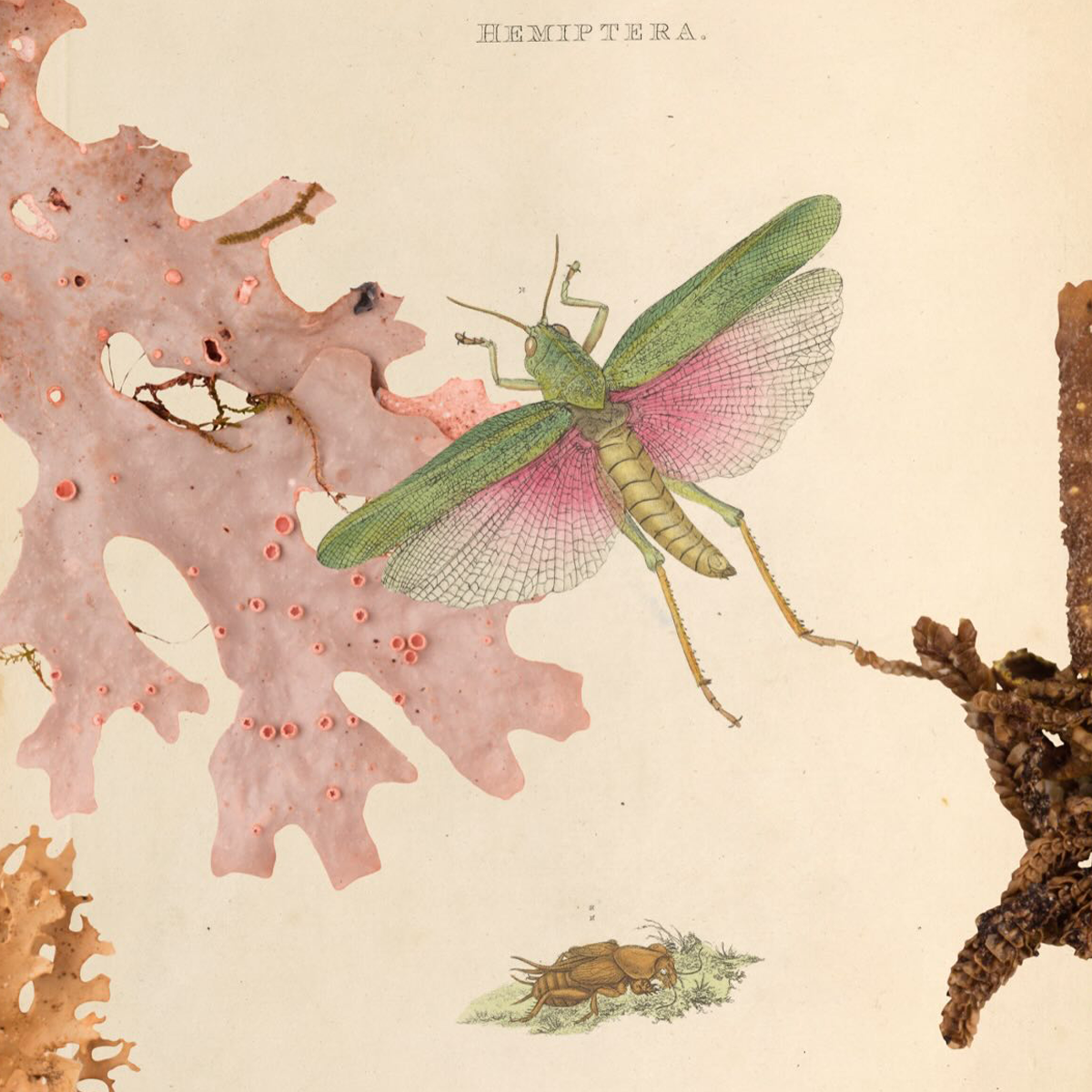
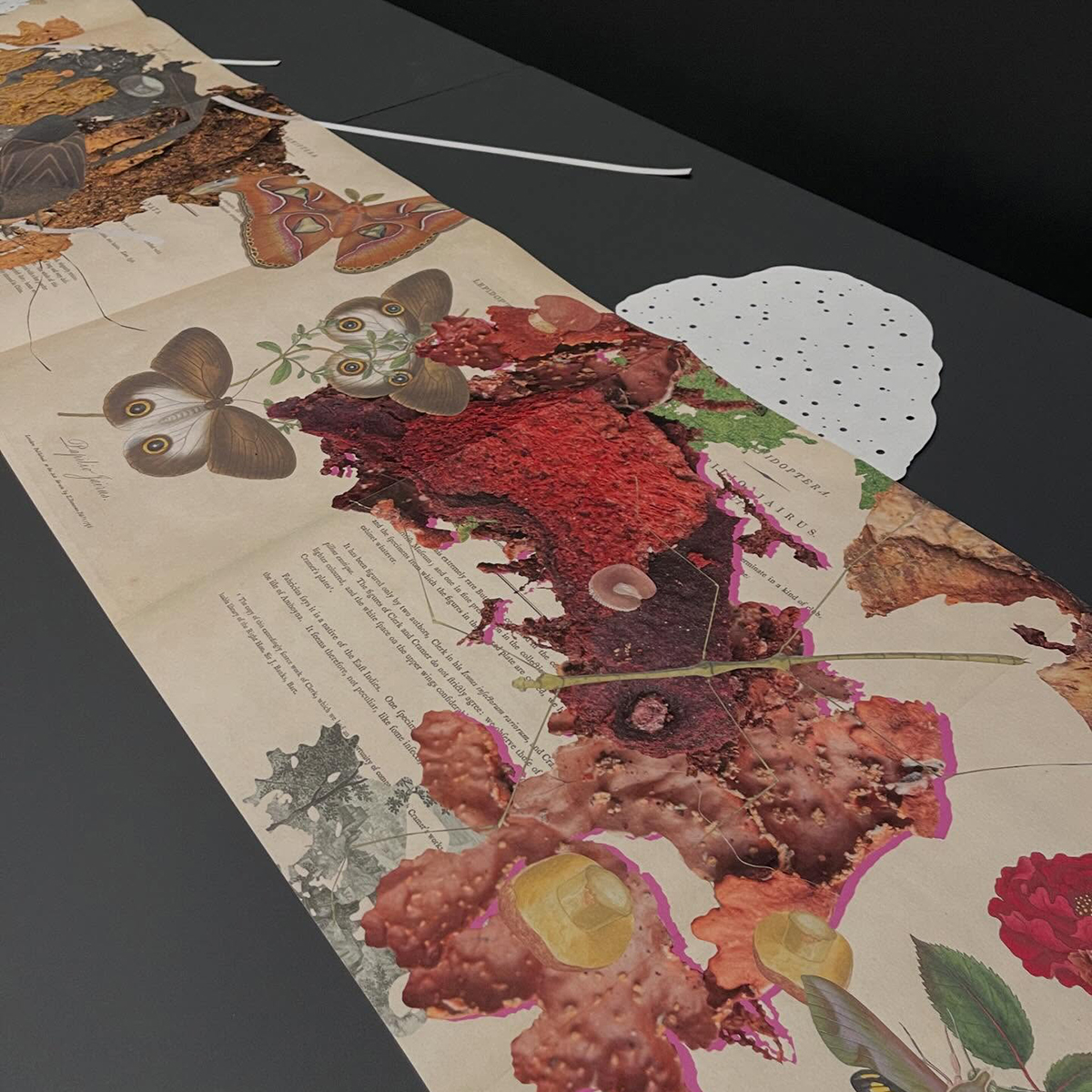
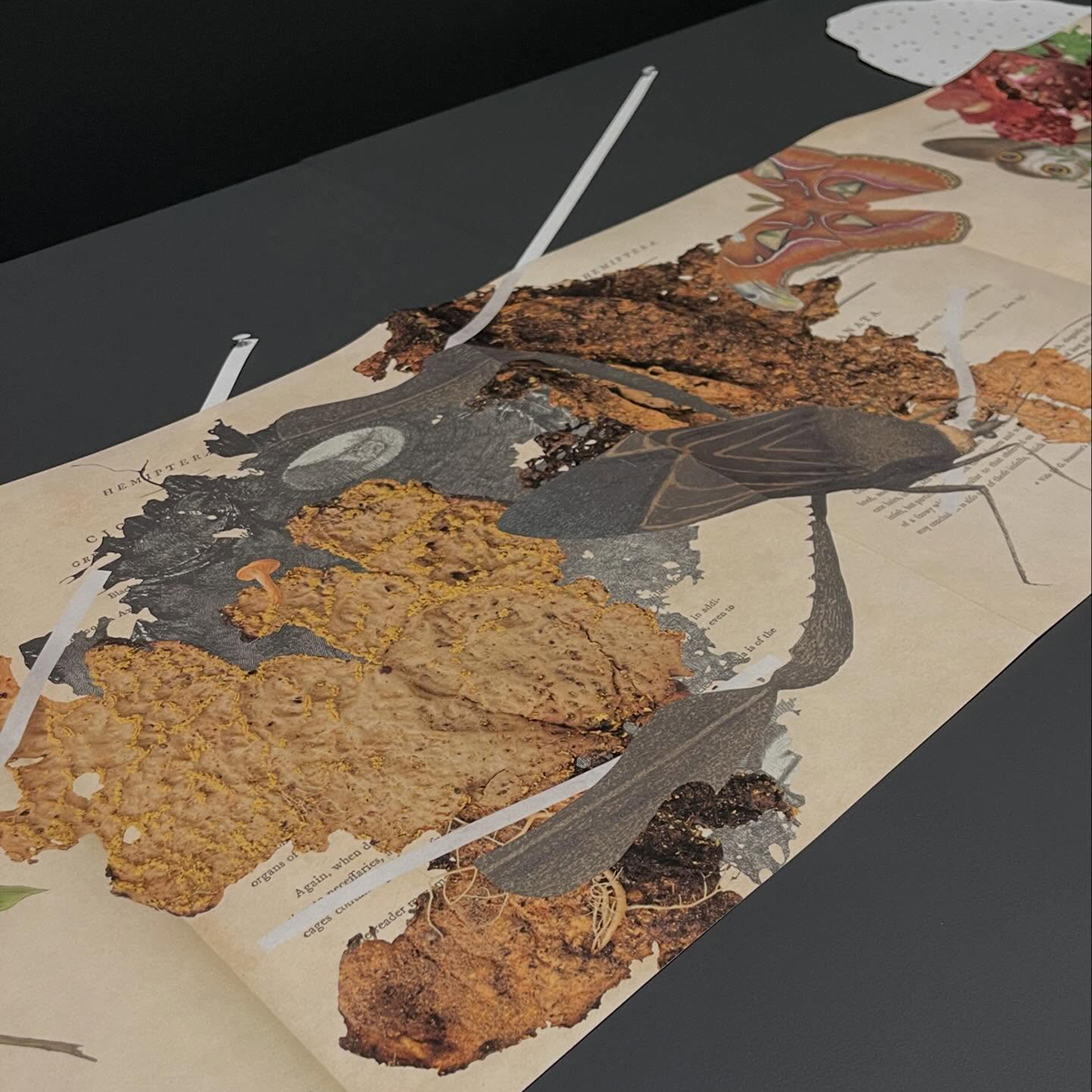
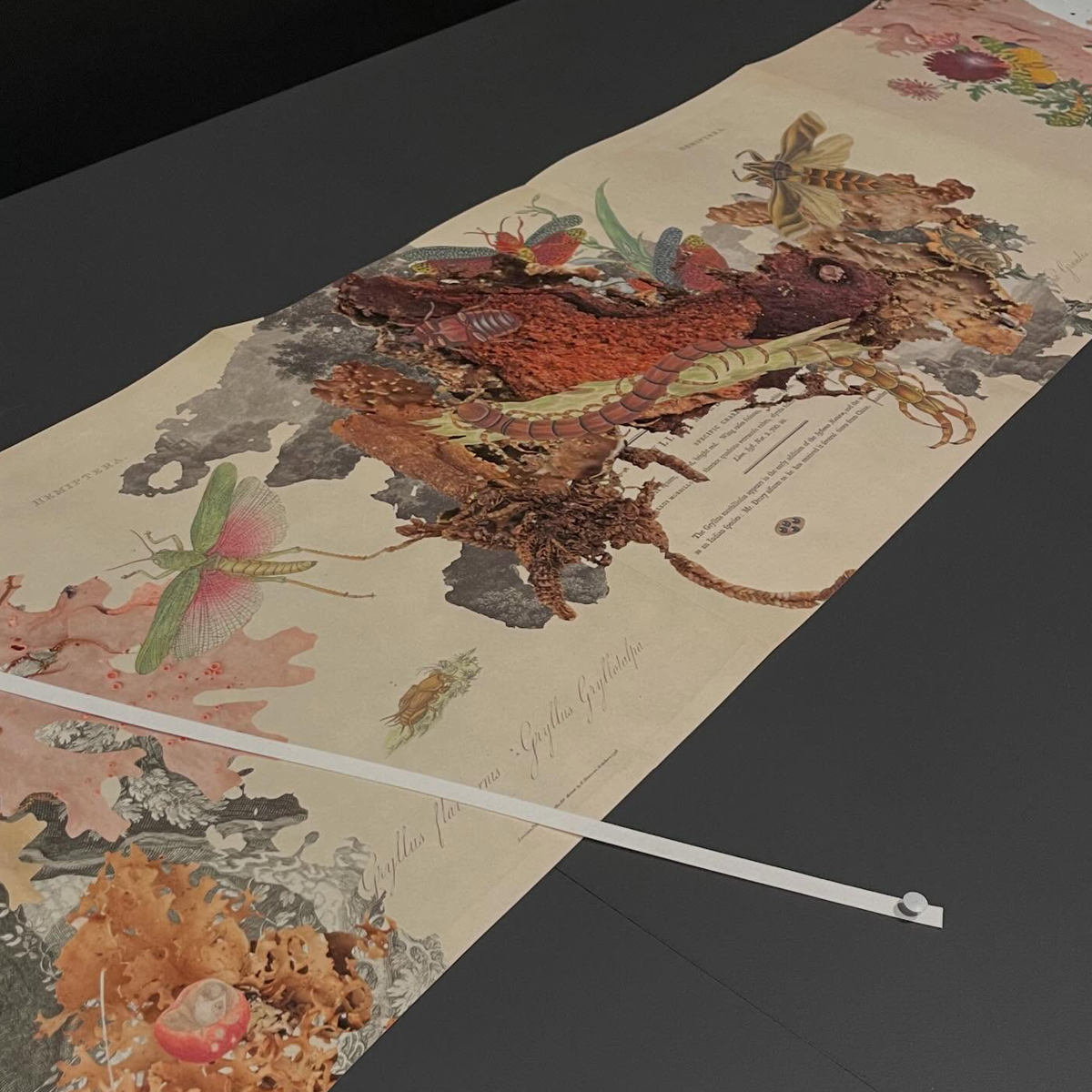
Can we imagine what an edition of Edward Donovan’s An epitome of the natural history of the insects of China, from 1798, might look like if it were buried beneath the earth, if it were absorbed by the mycorrhizal framework of diverse systems?
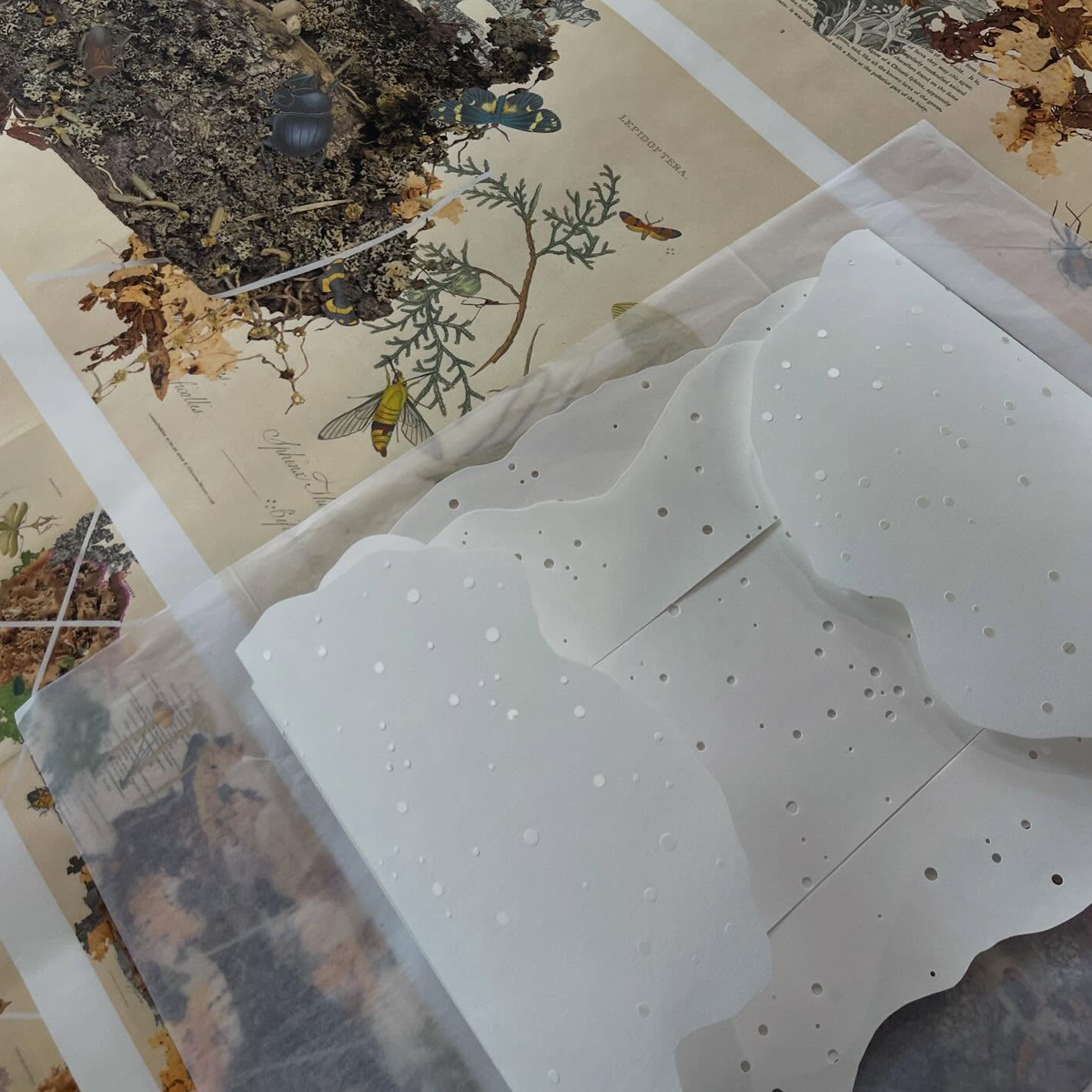
Selected pieces within the collage
Gardening Australia: My Garden Path
Gracia Haby & Louise Jennison
Can we dream it?
2026
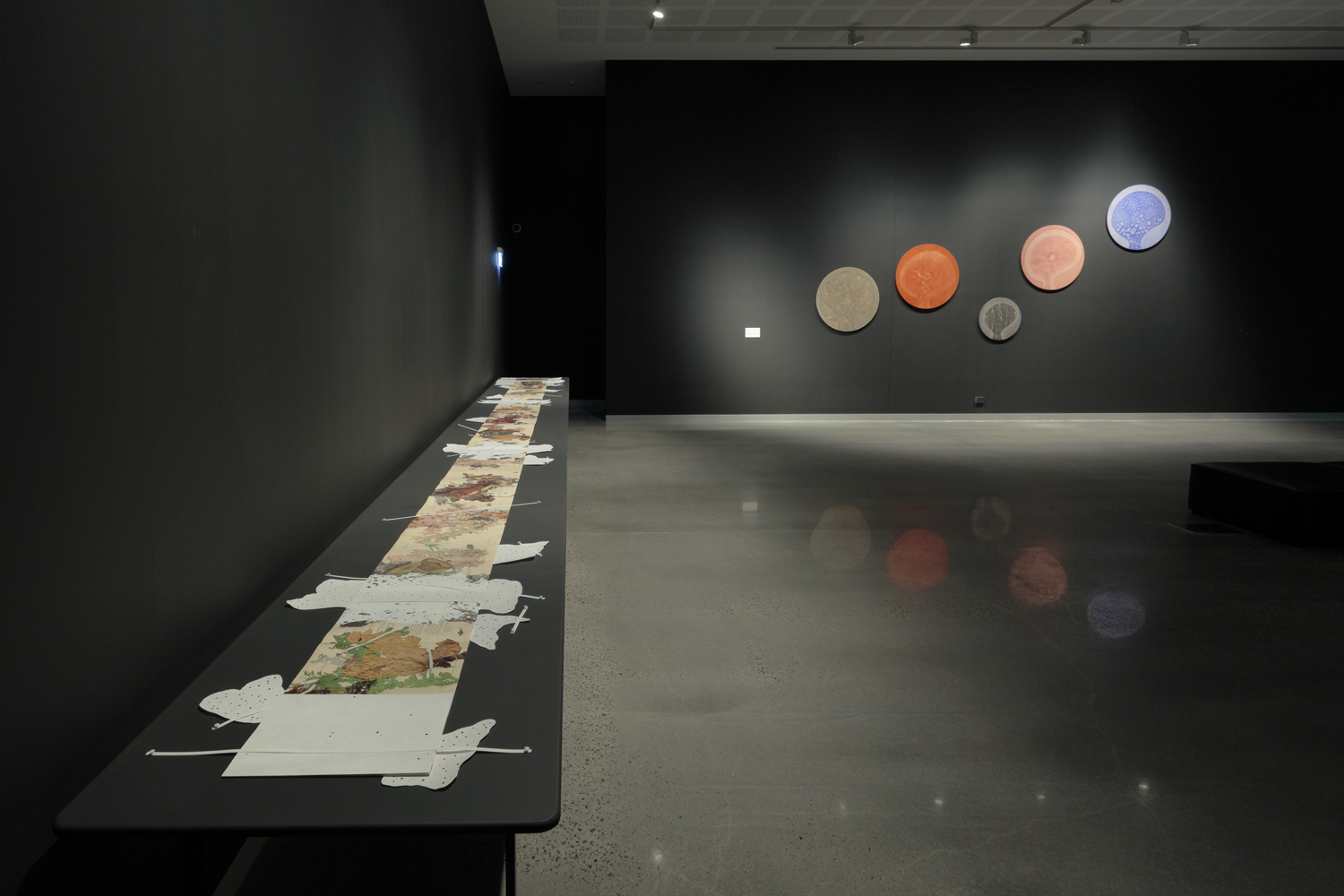
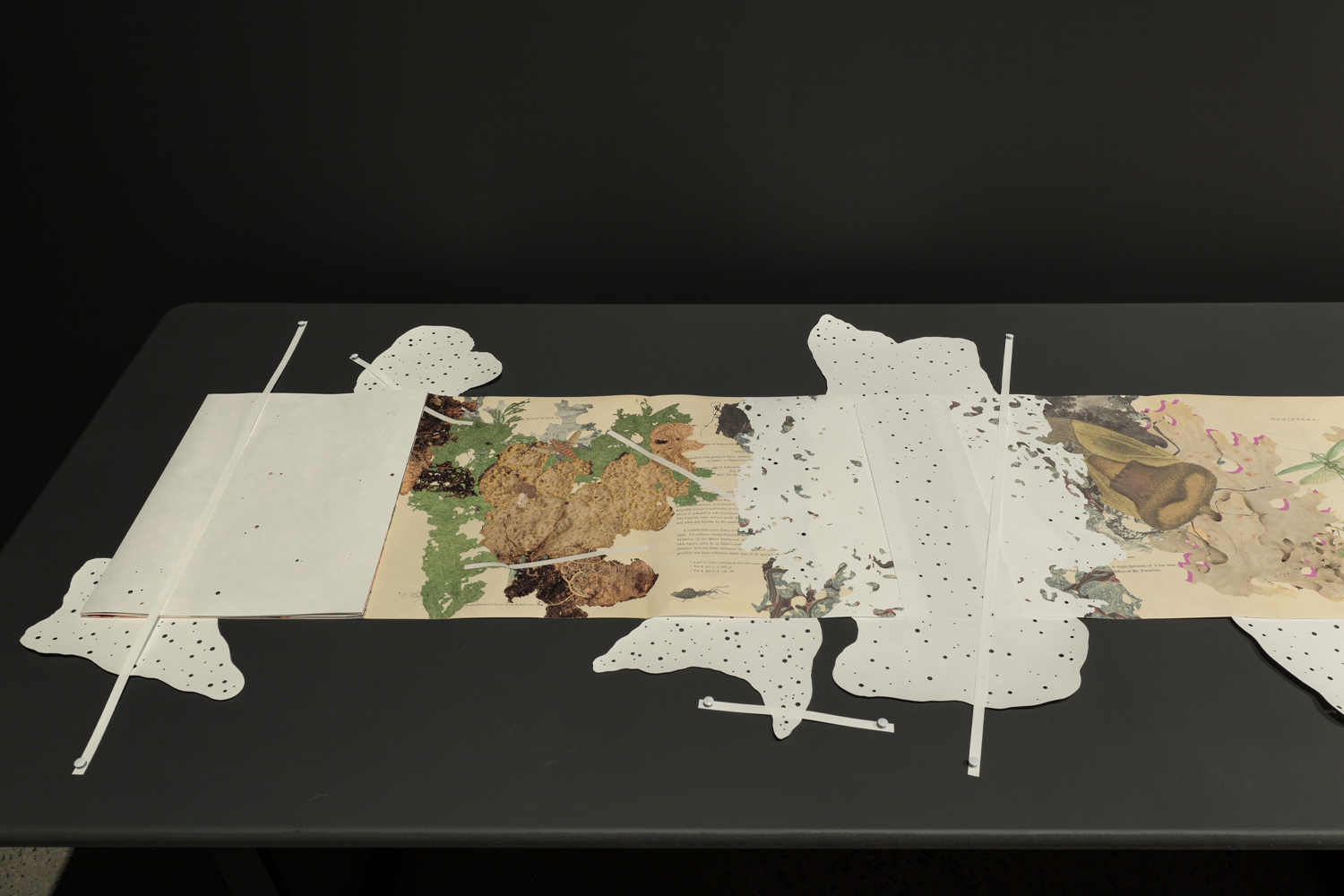
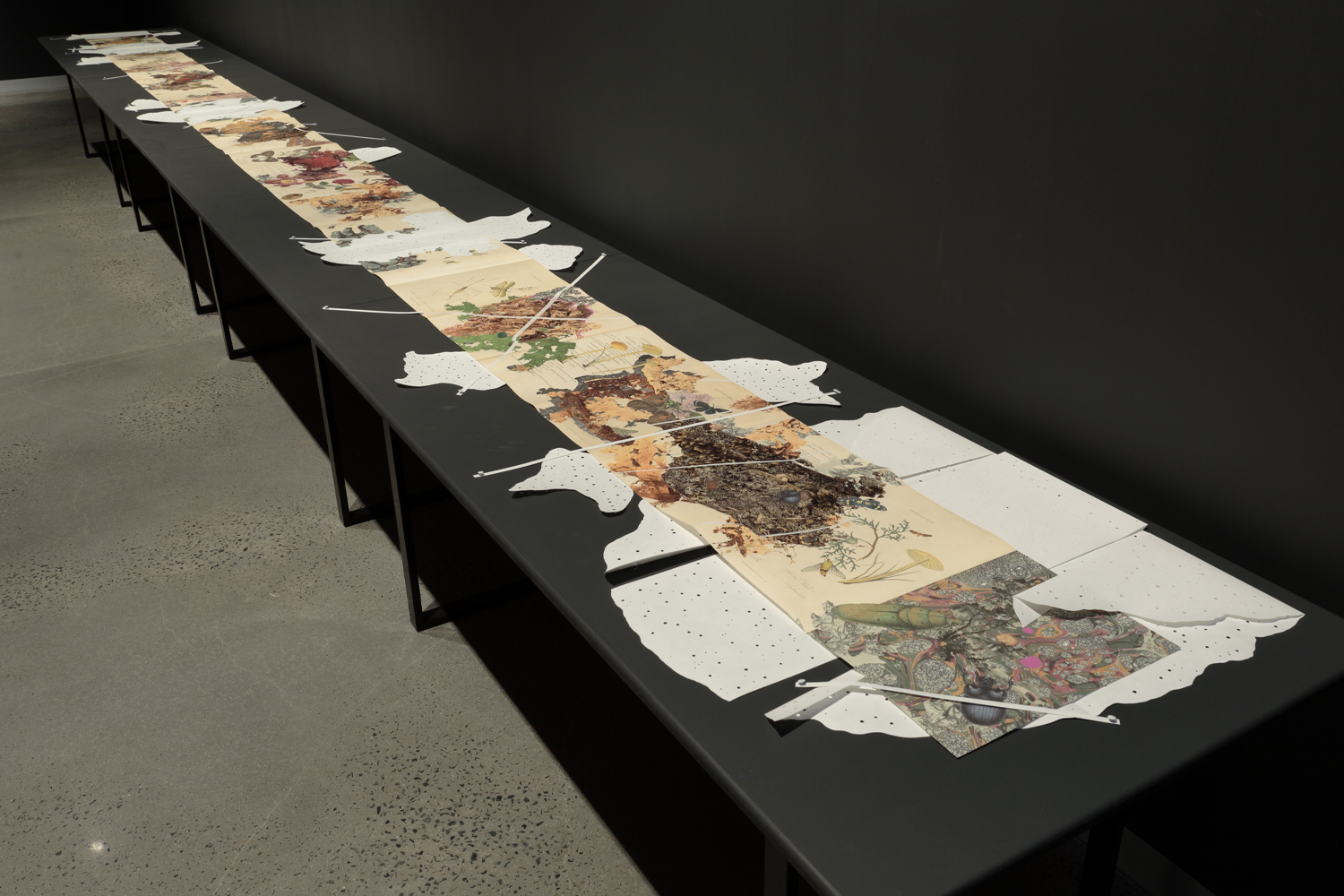
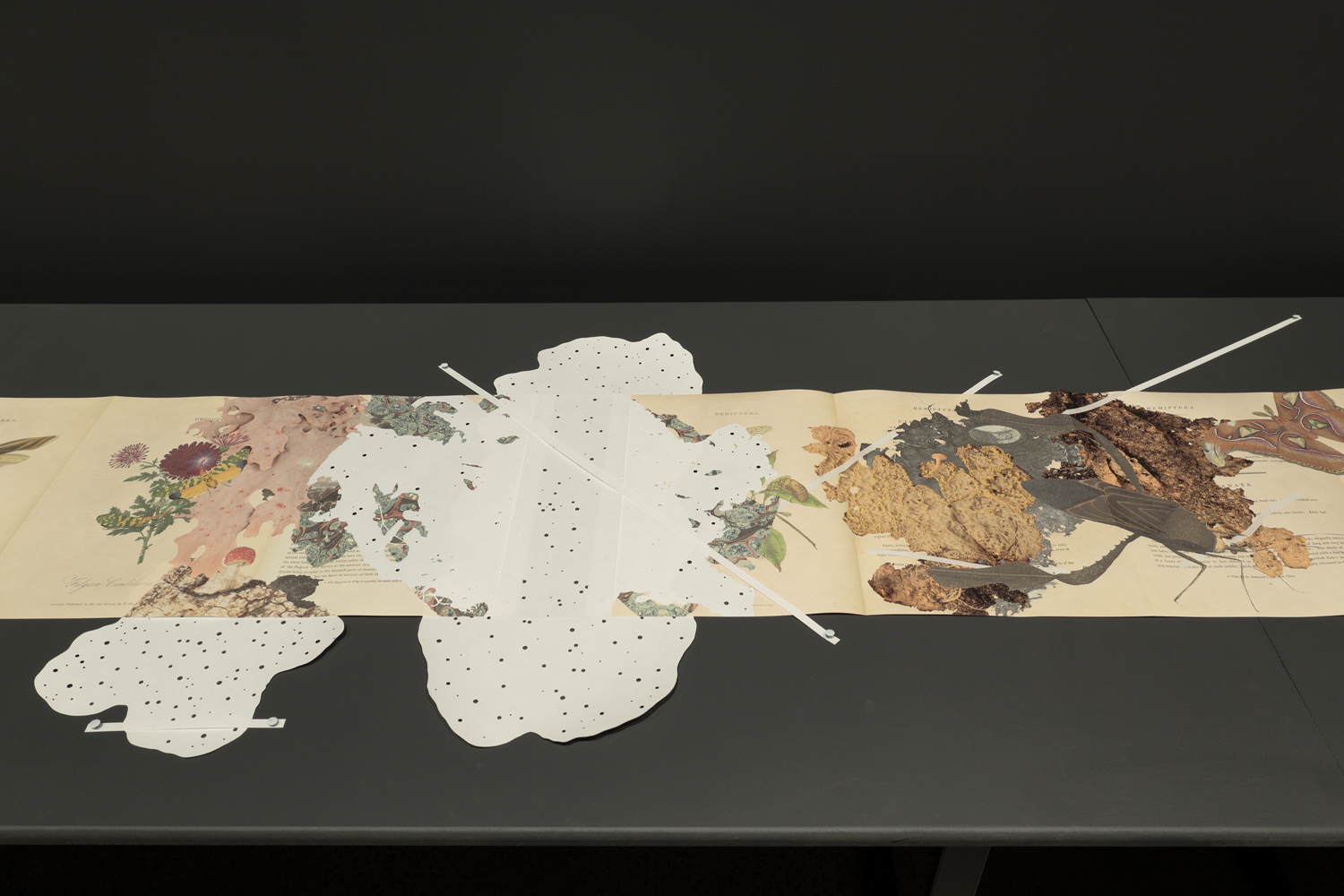
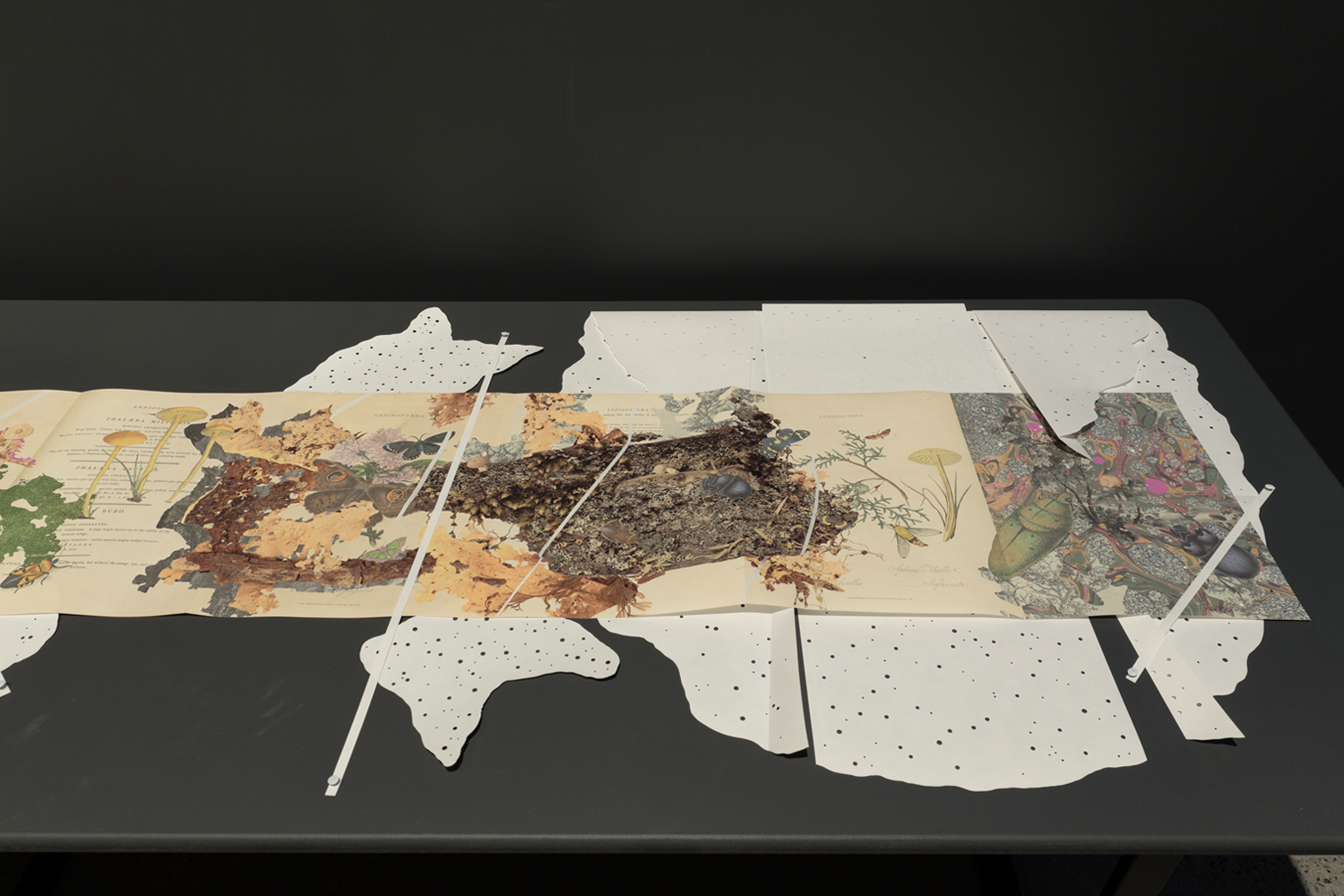
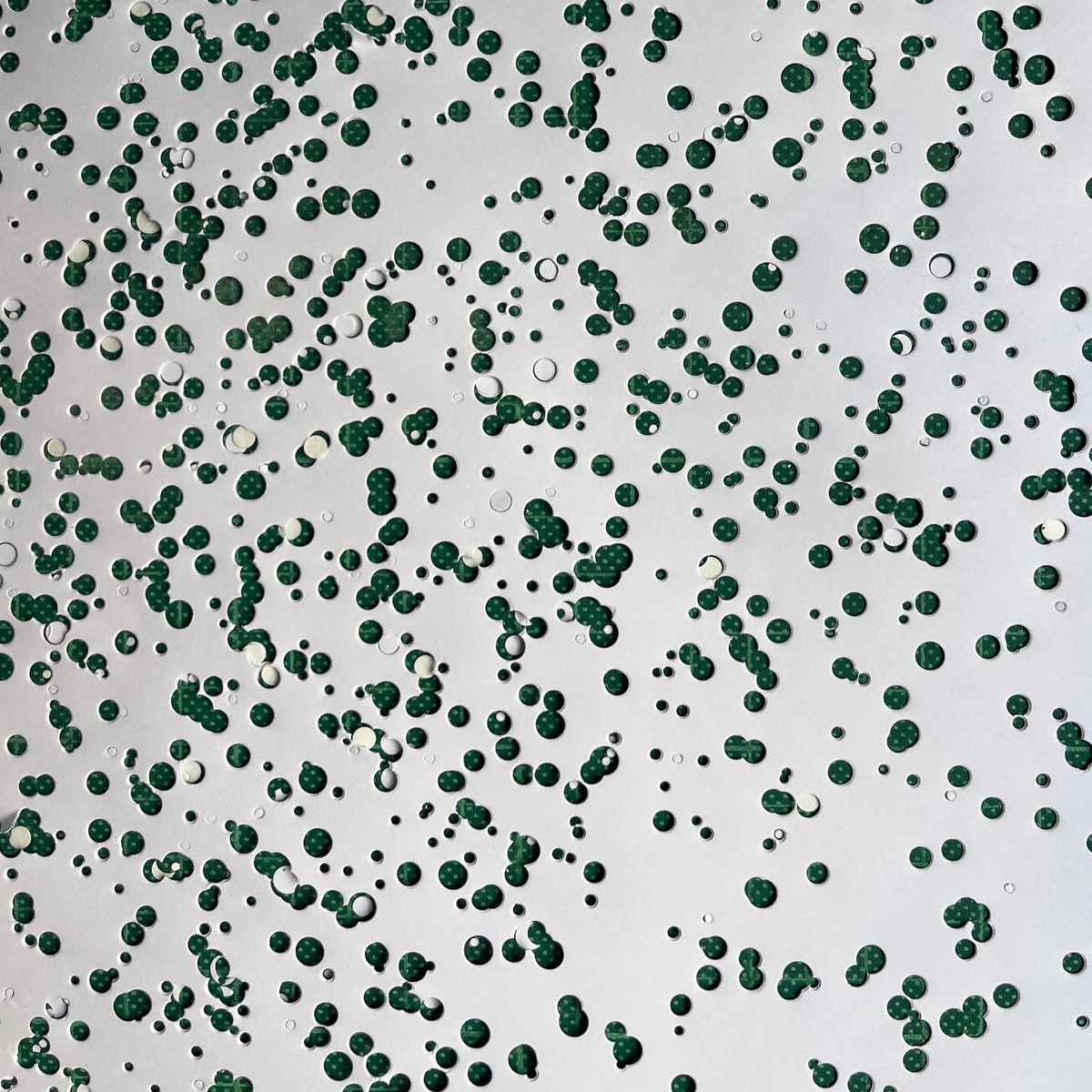
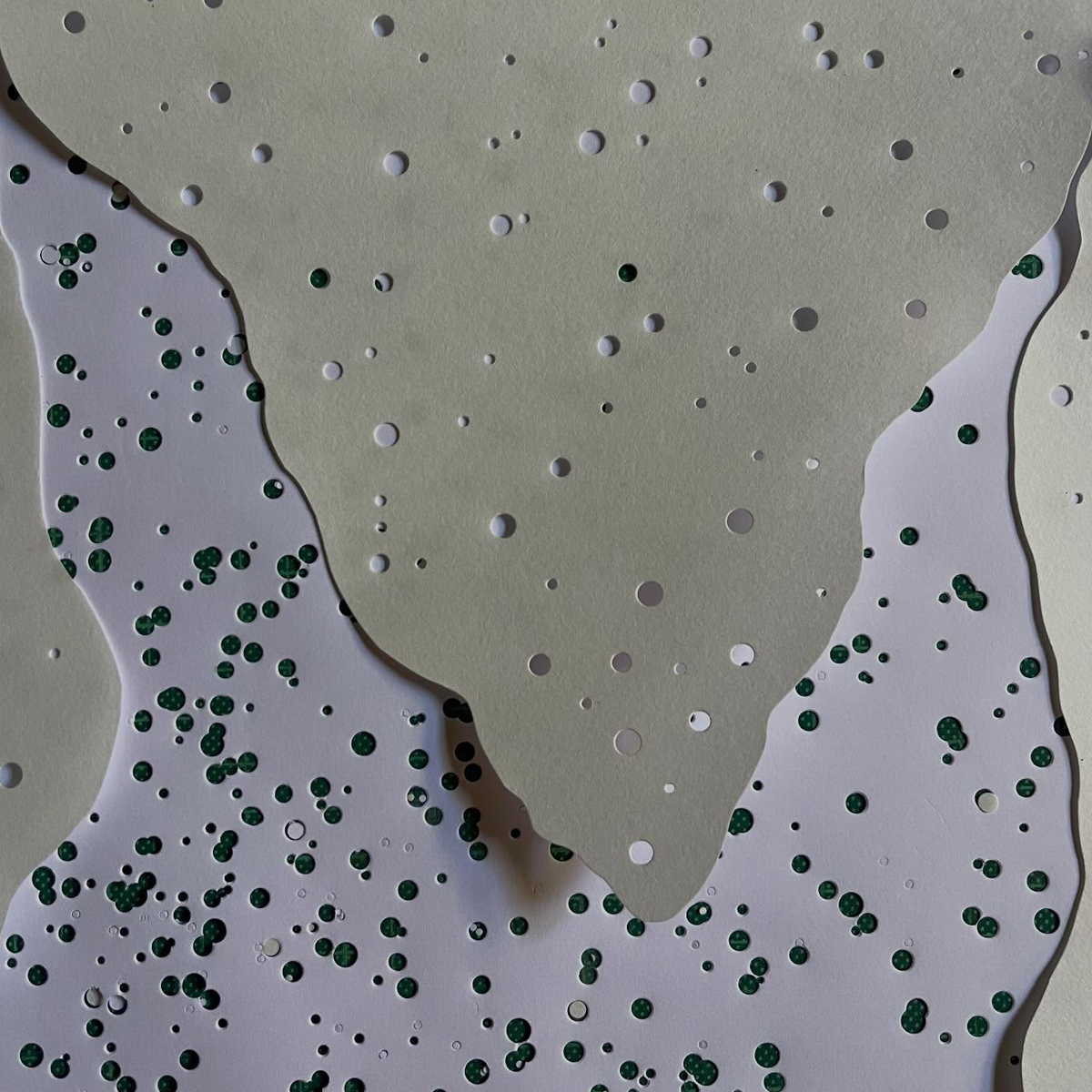
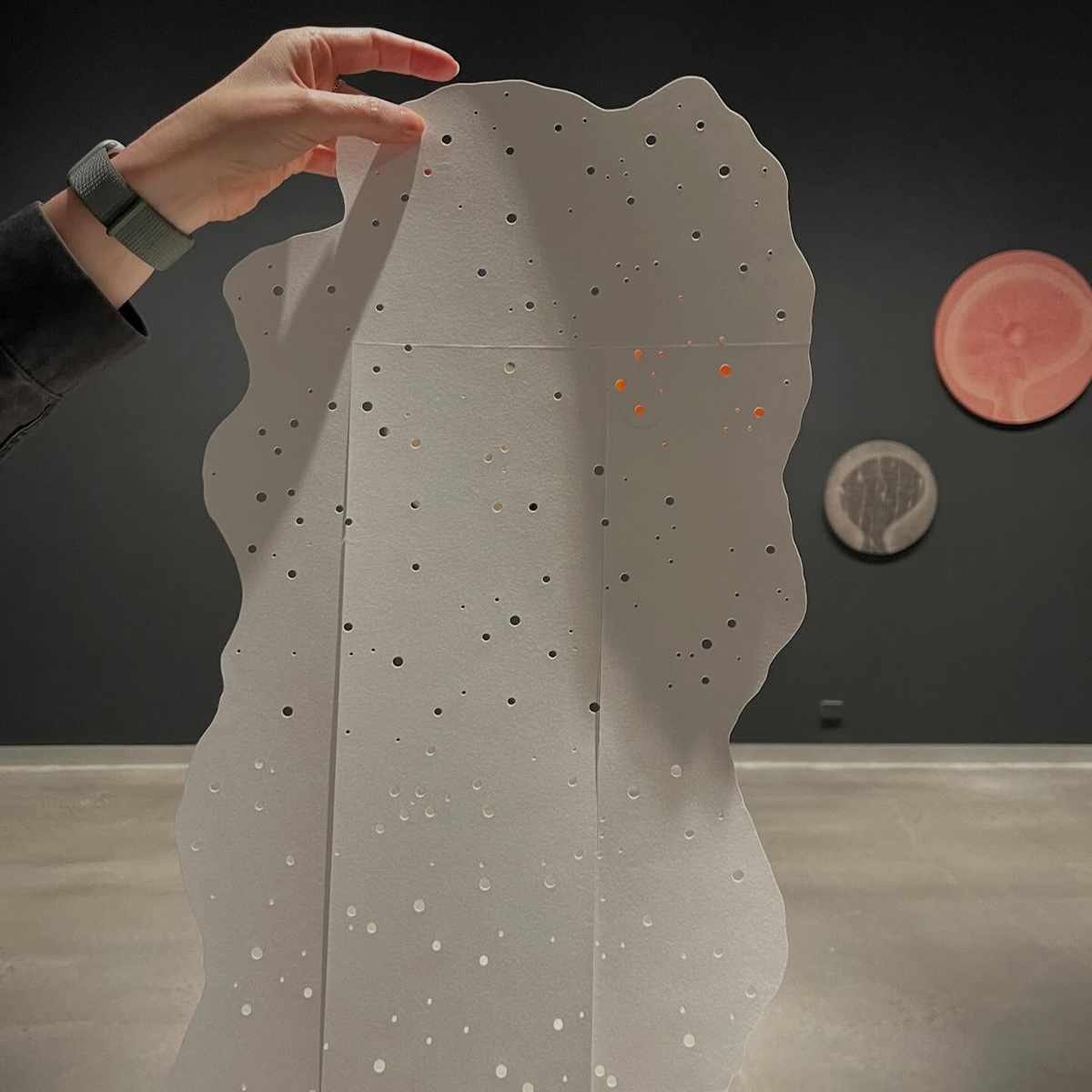
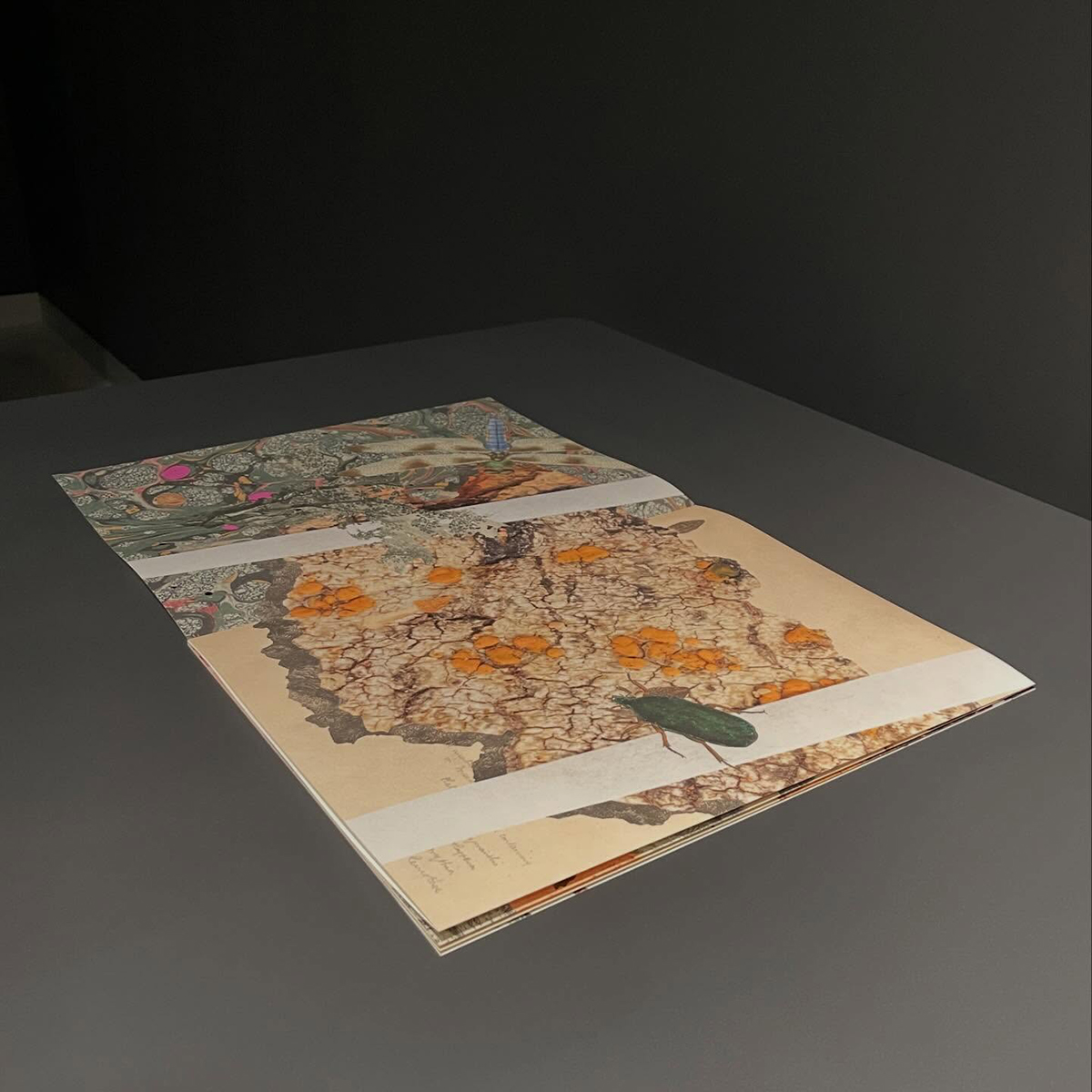
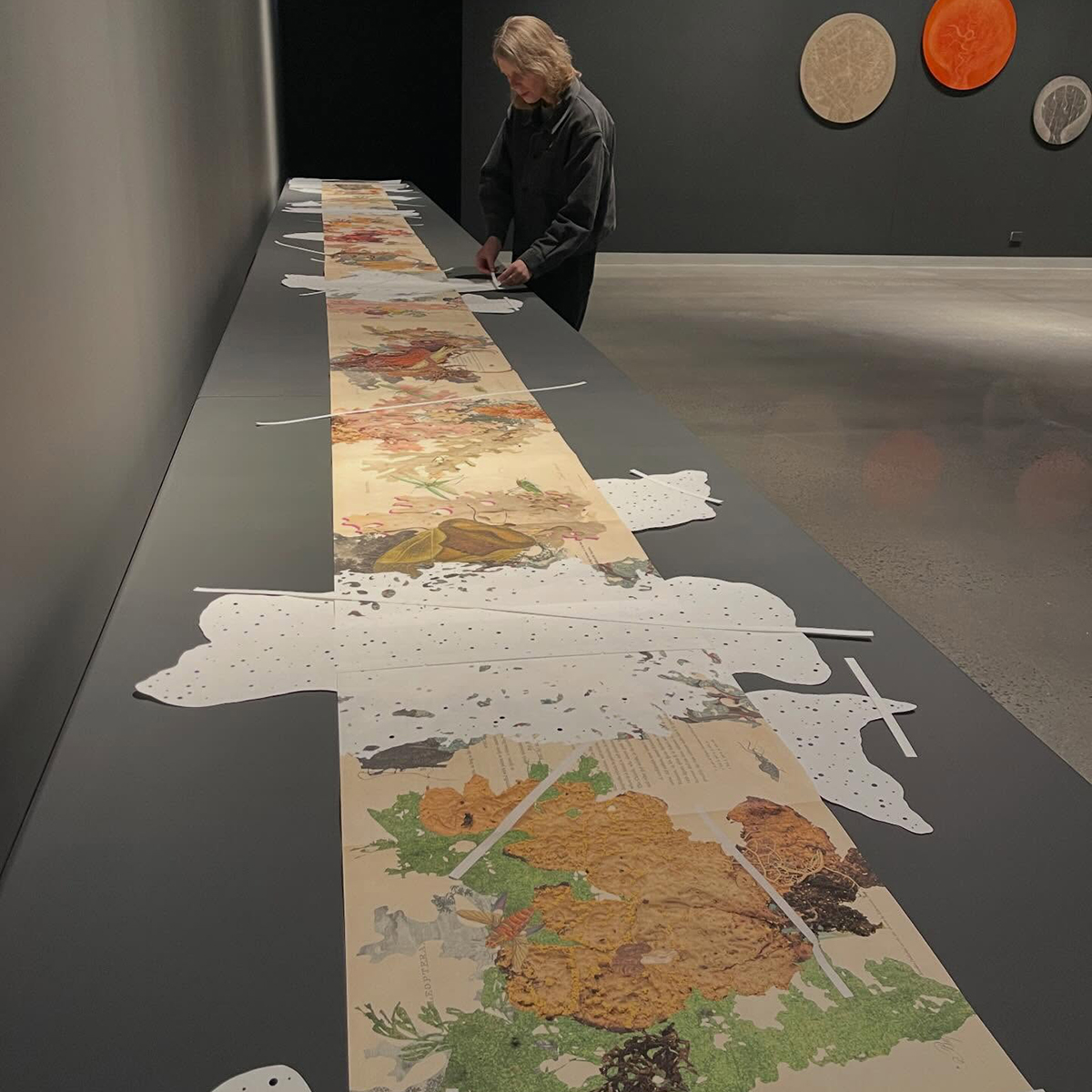
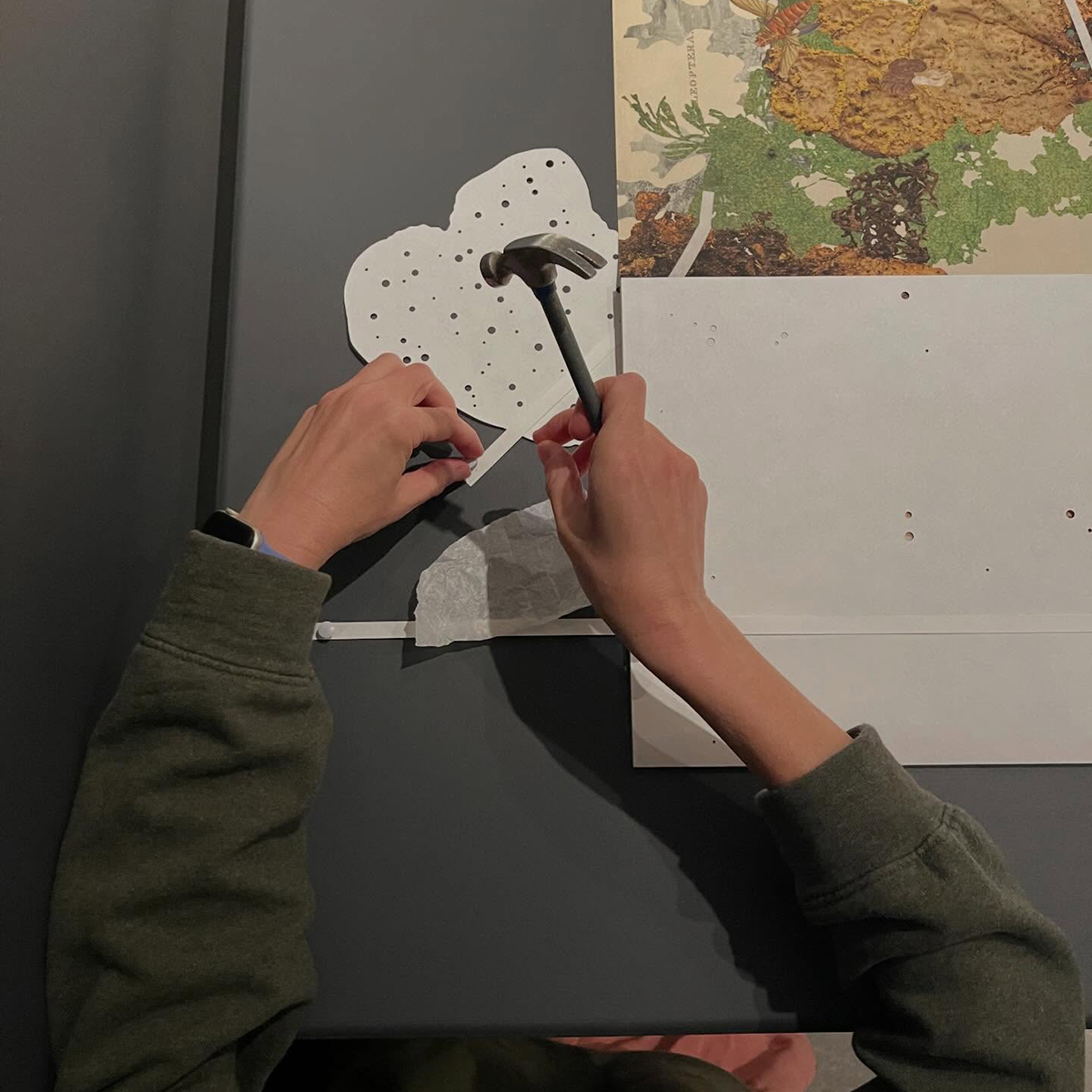
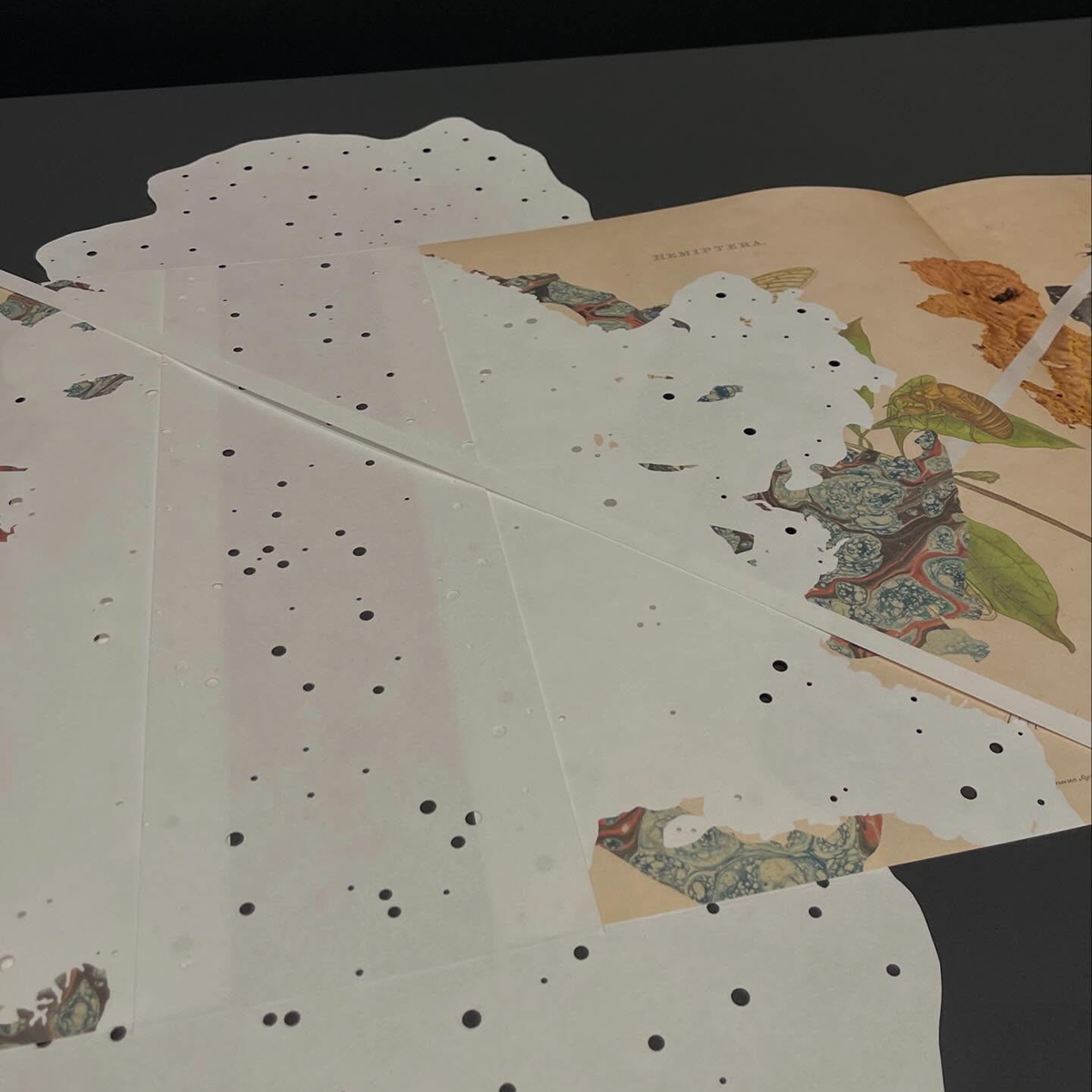
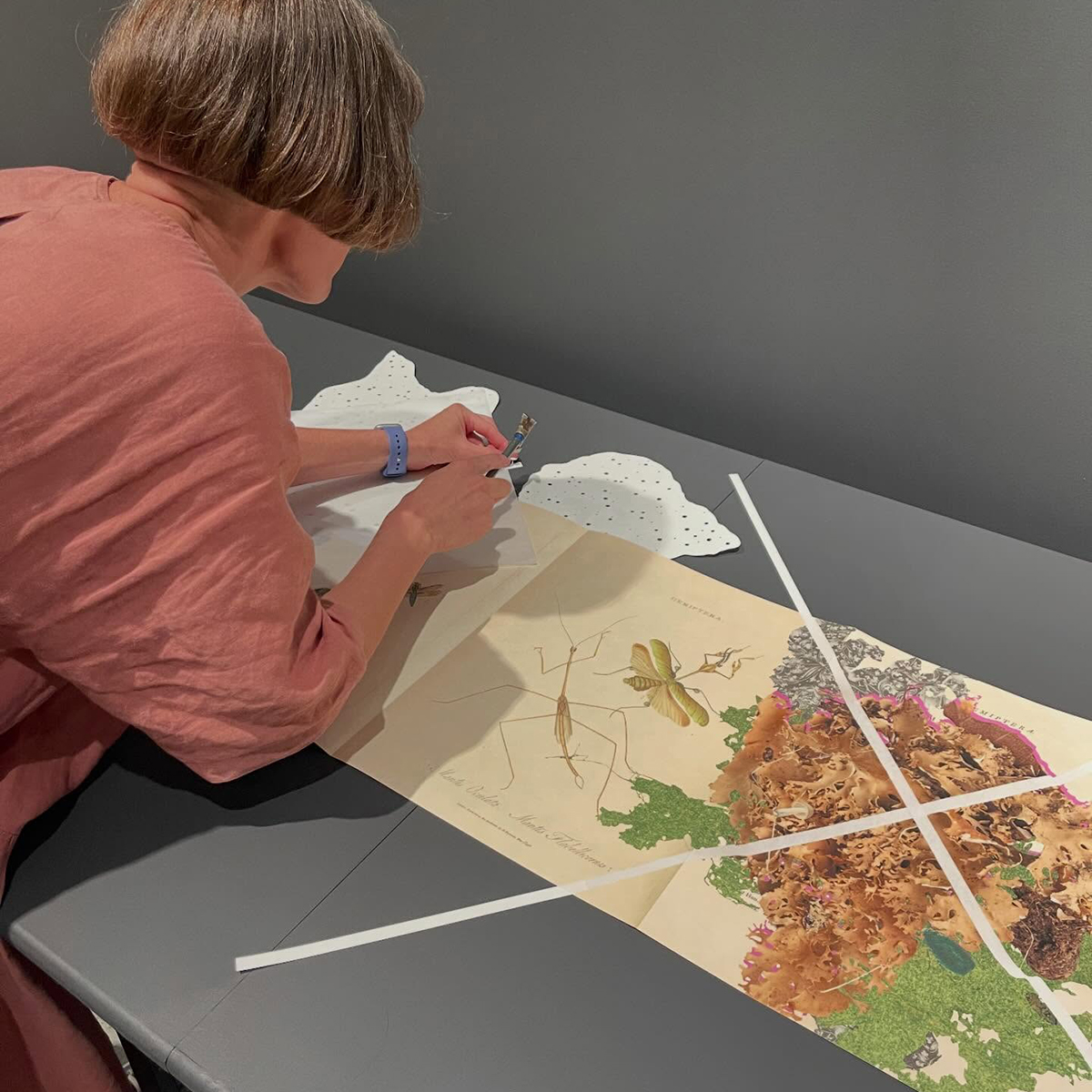
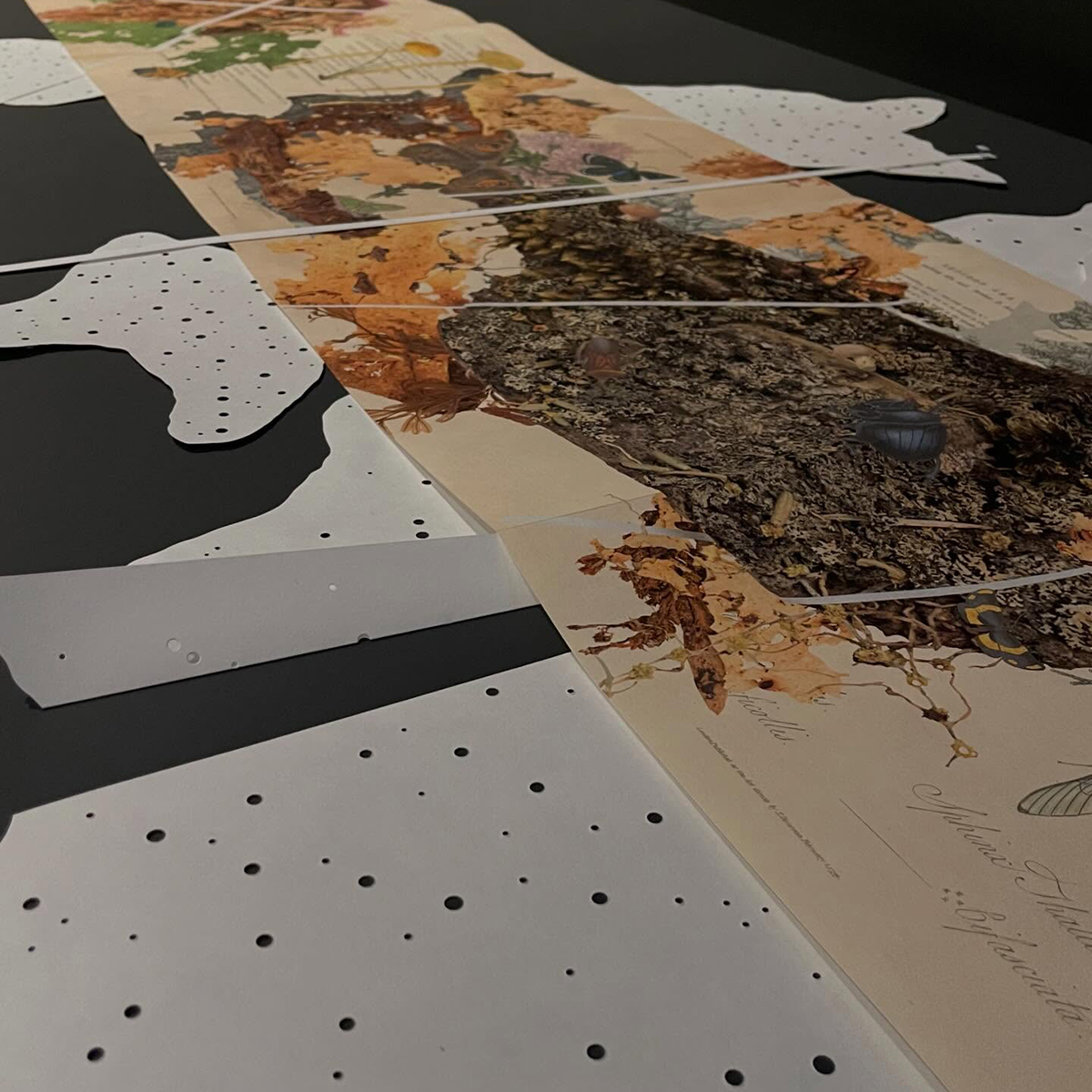
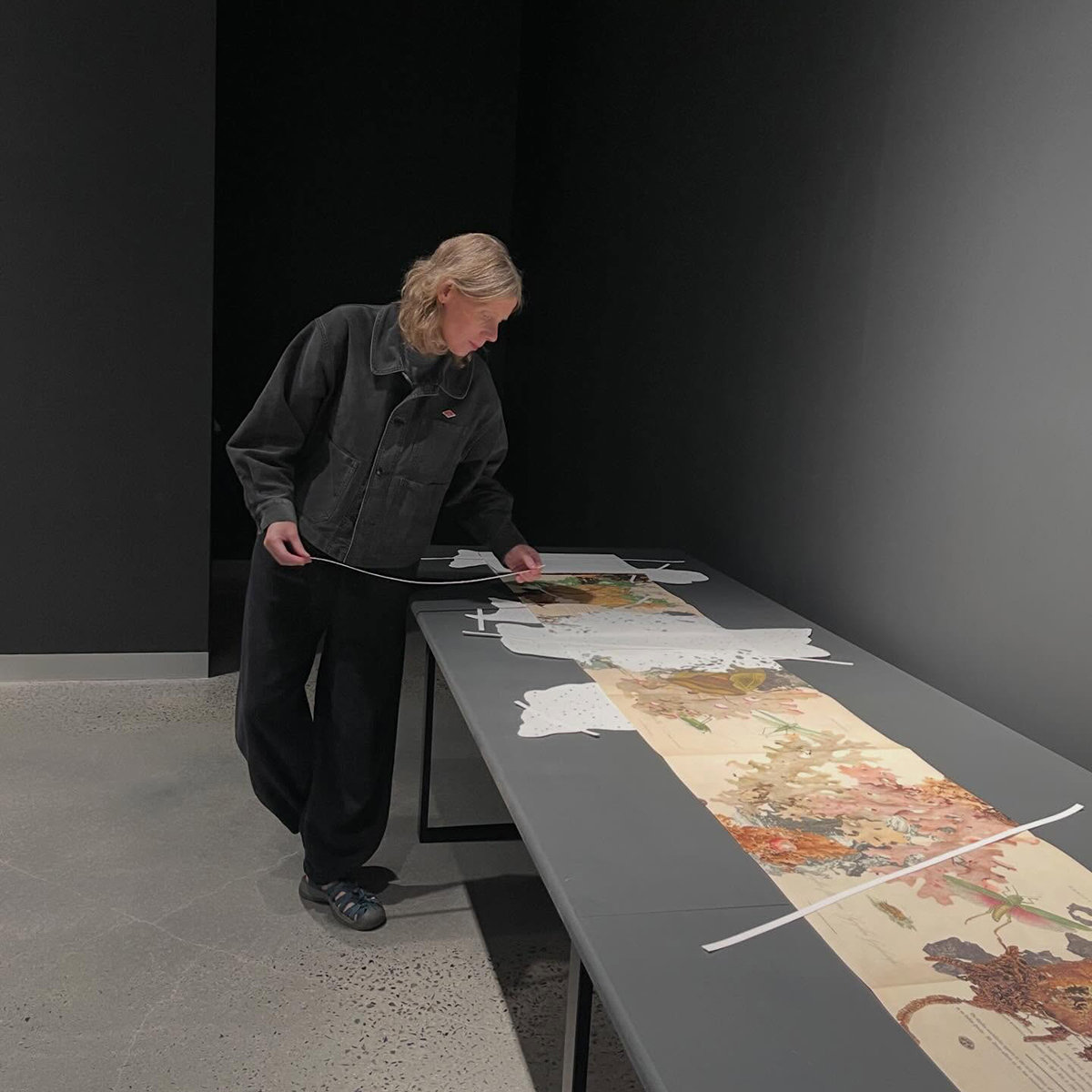
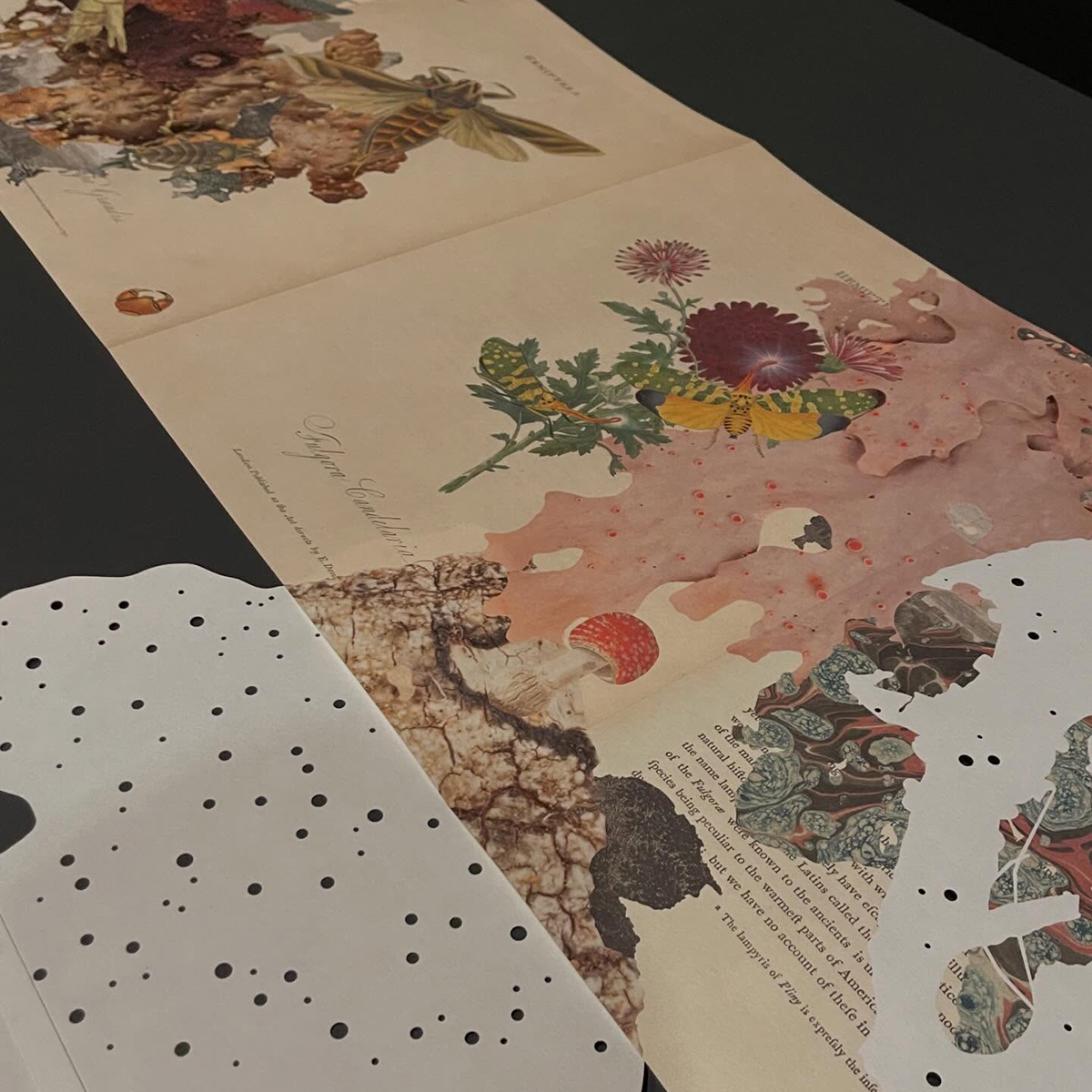
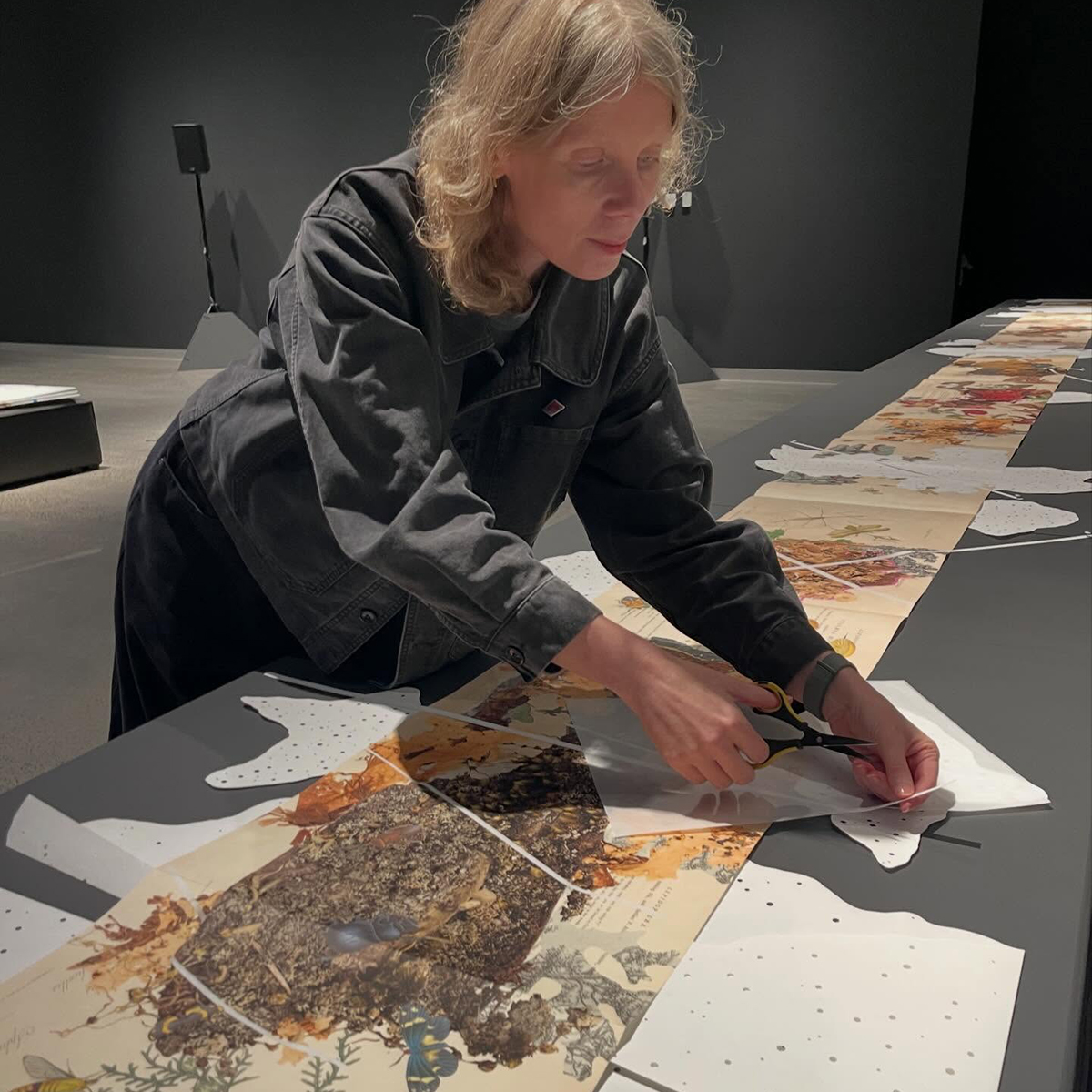
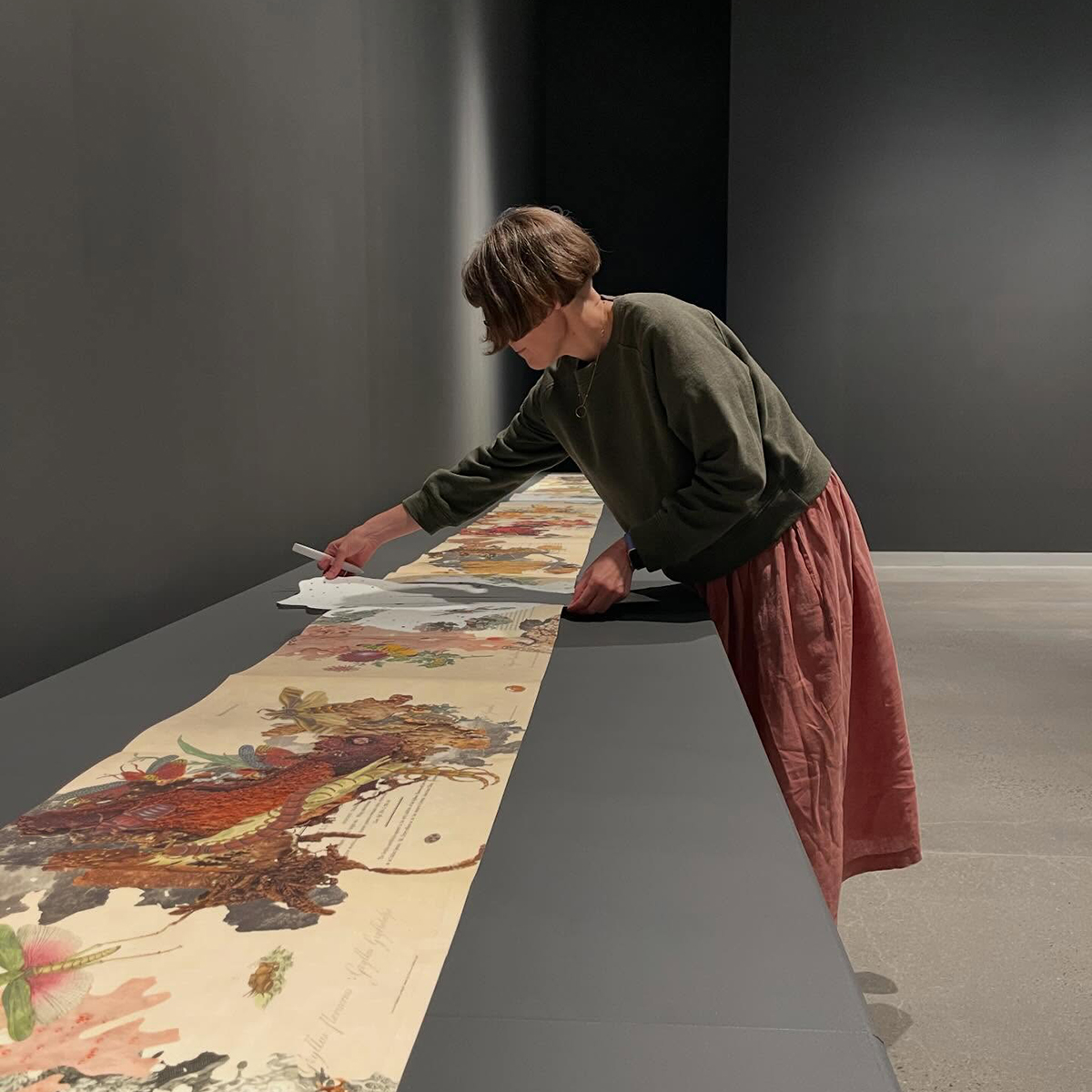
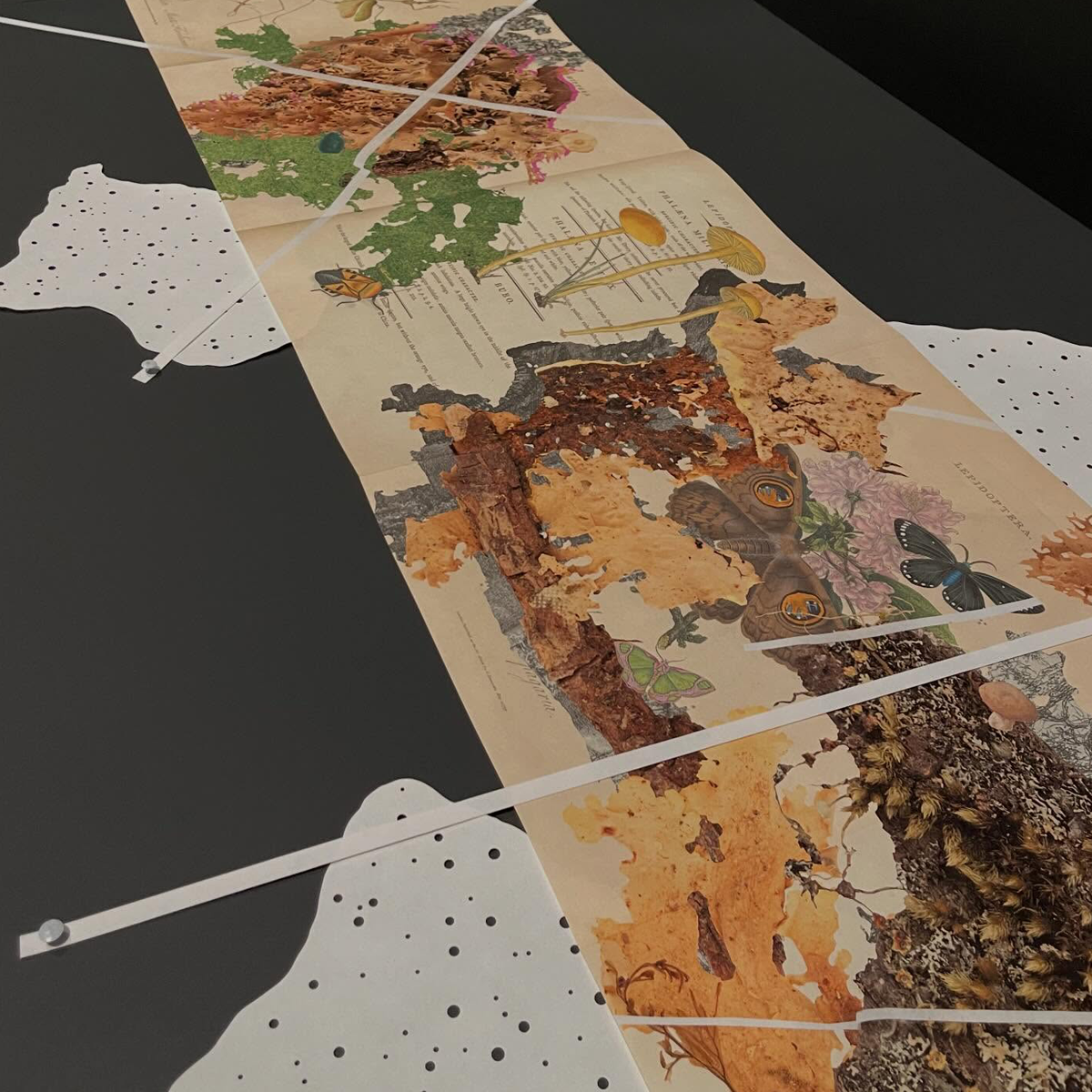
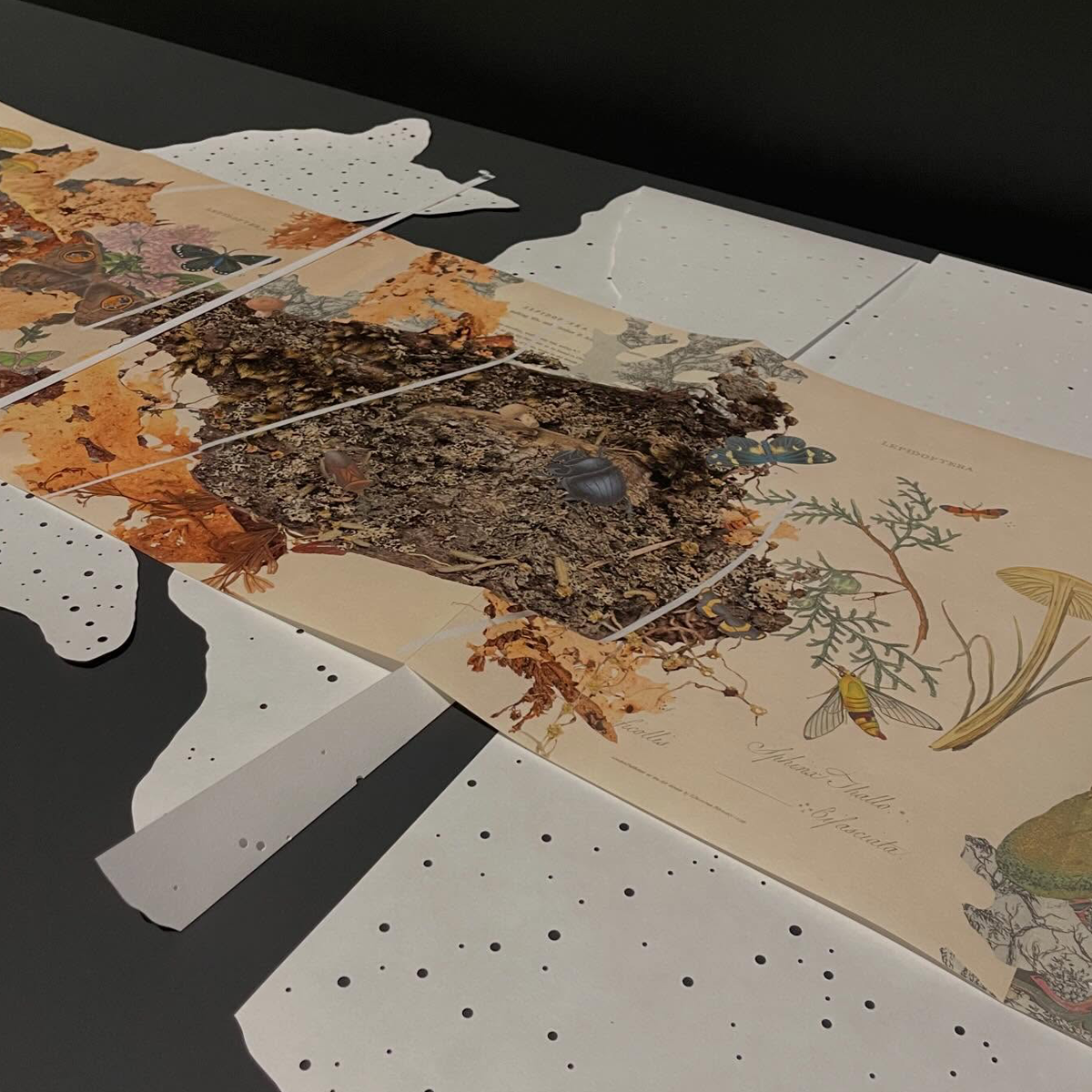
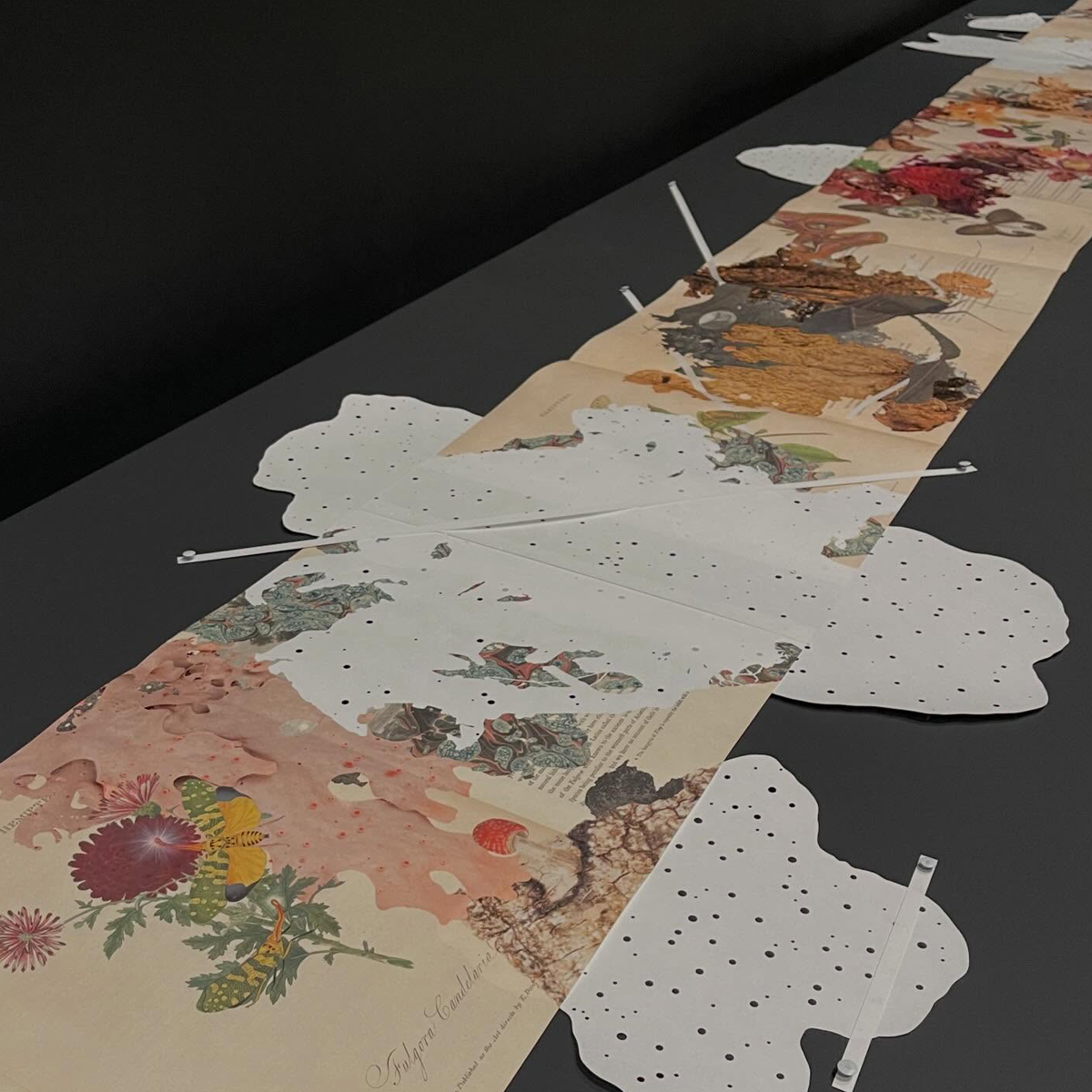
32 page concertina artists’ book, inkjet print, with hand-cut paper components, on Moenkopi Kozo 110, encased in hand-cut envelope
Printed by Arten
Bound by Gracia Haby & Louise Jennison, with hand-cut elements
Unique state
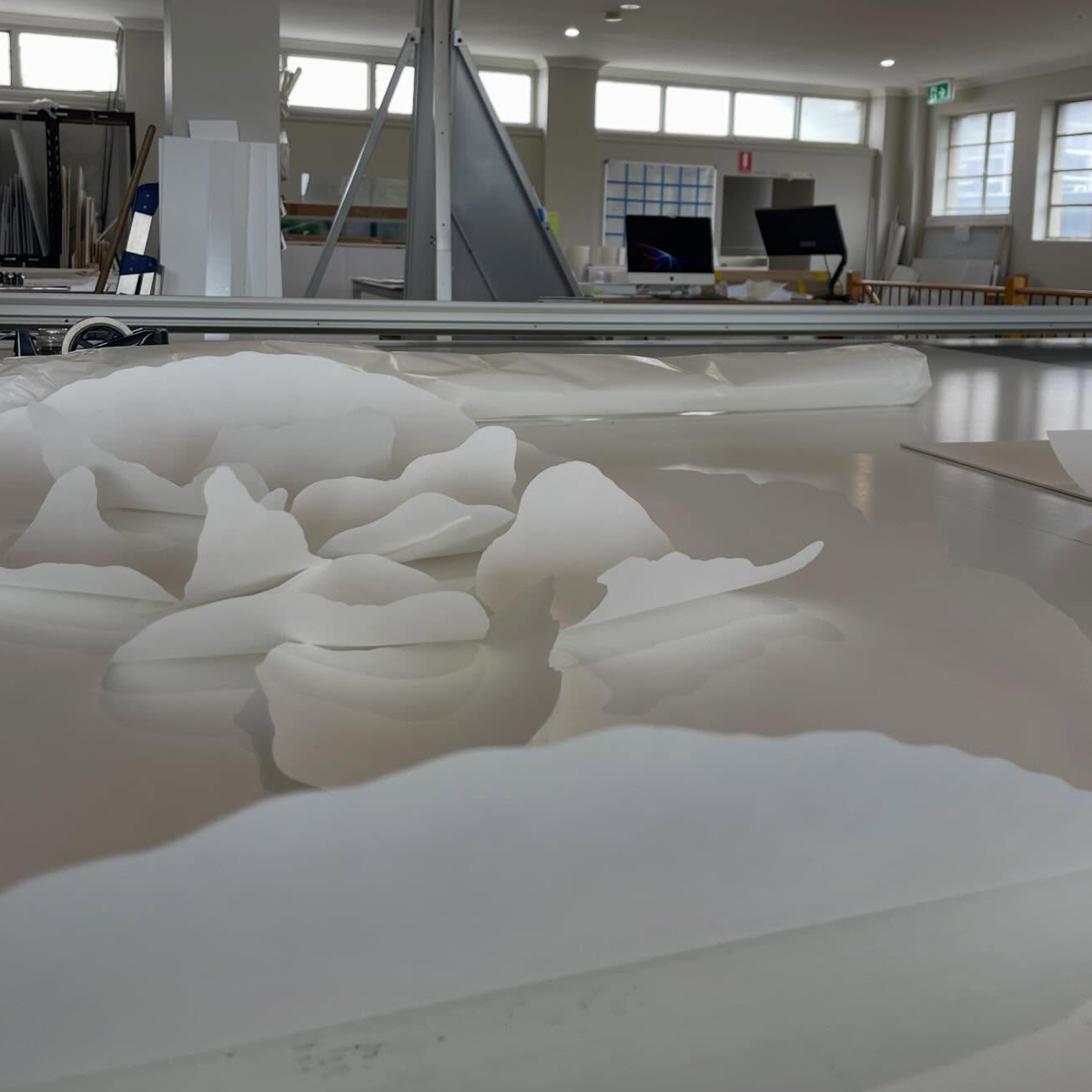
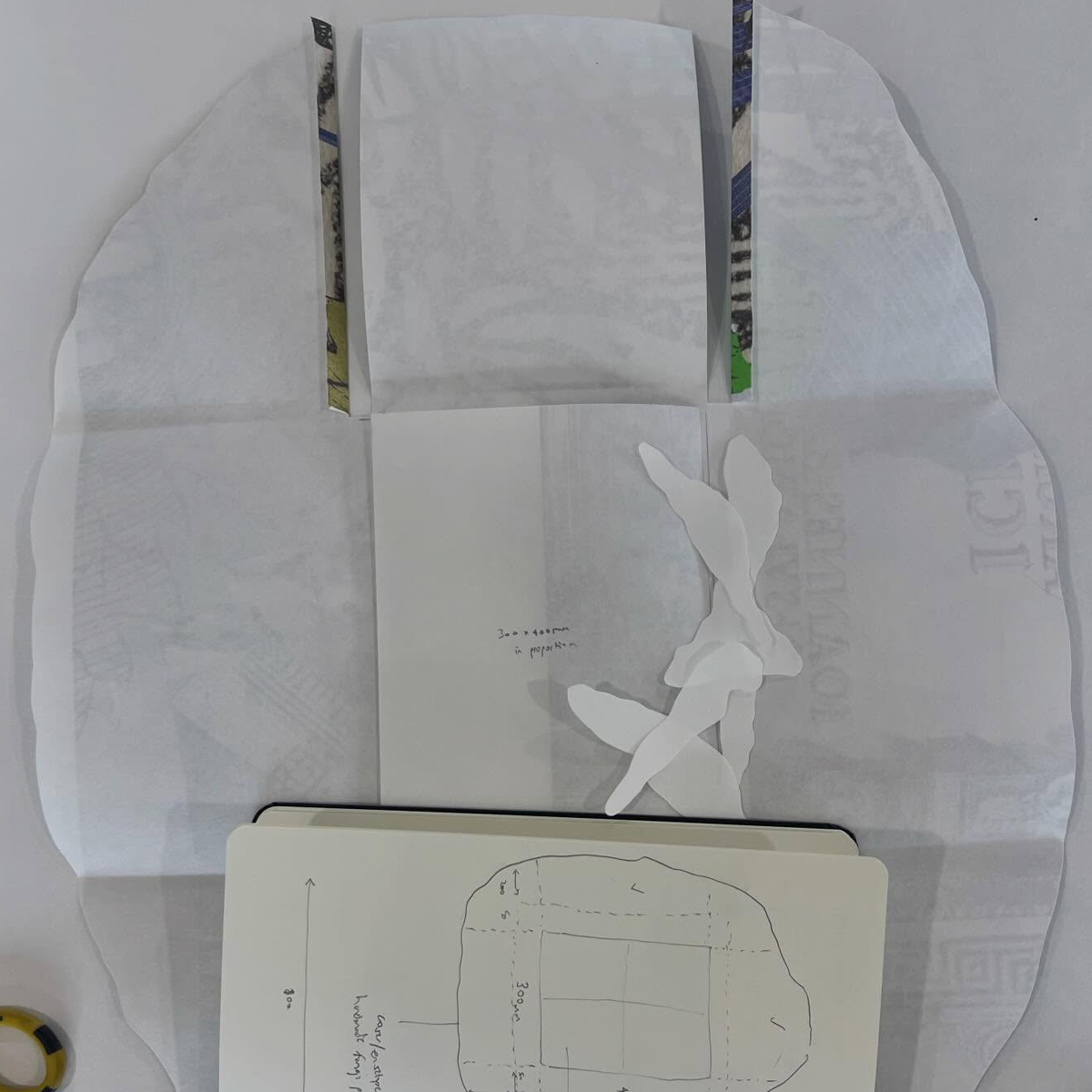
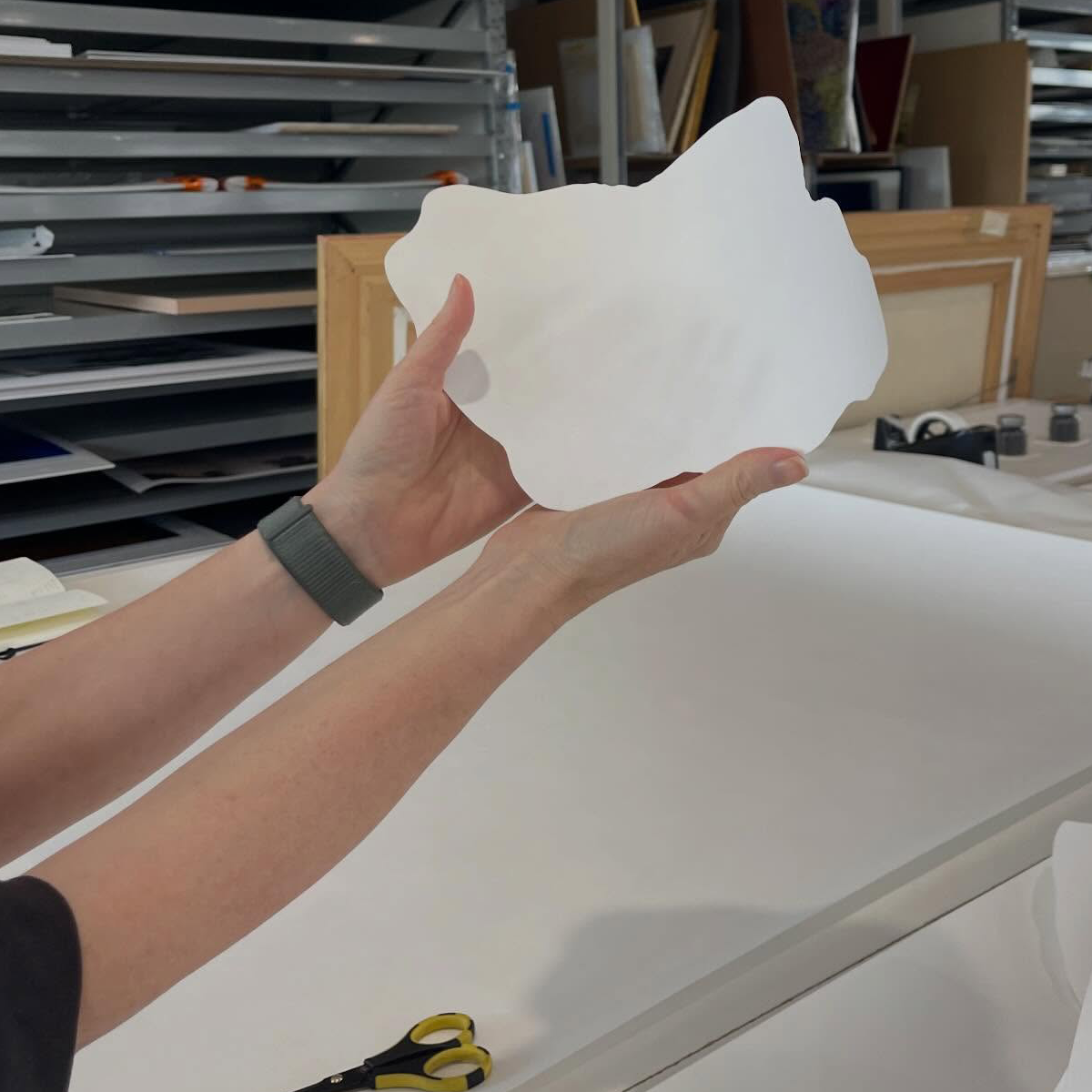
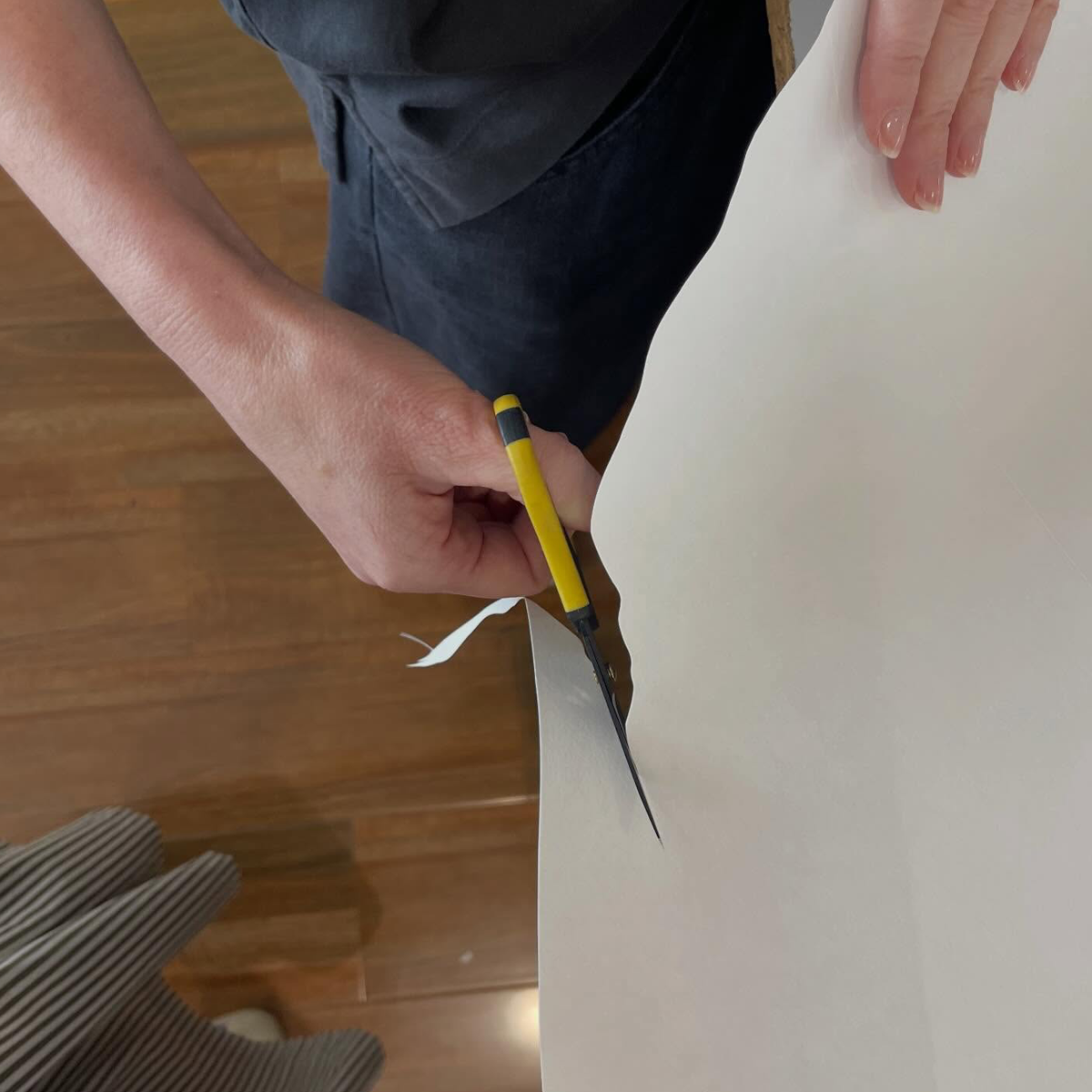
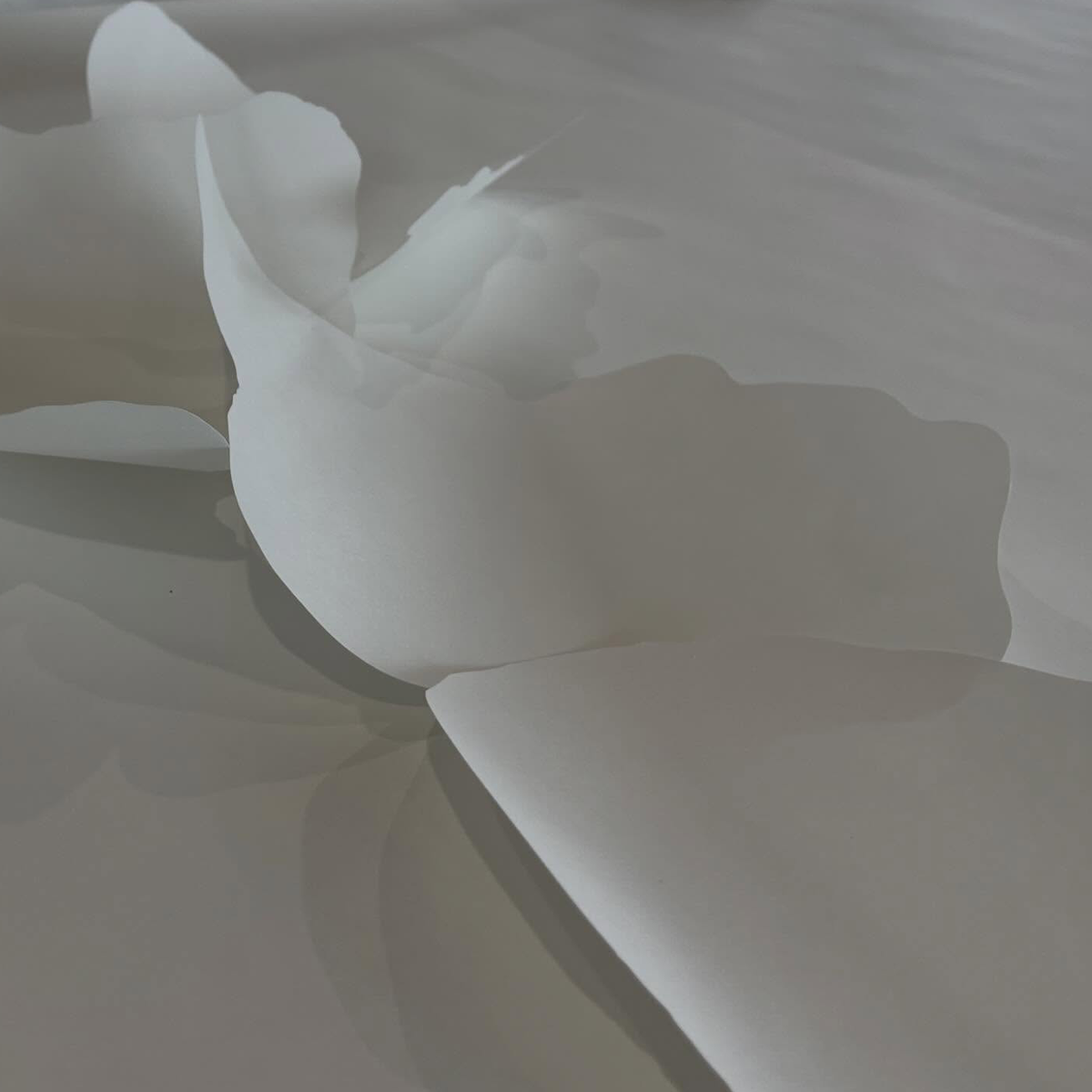
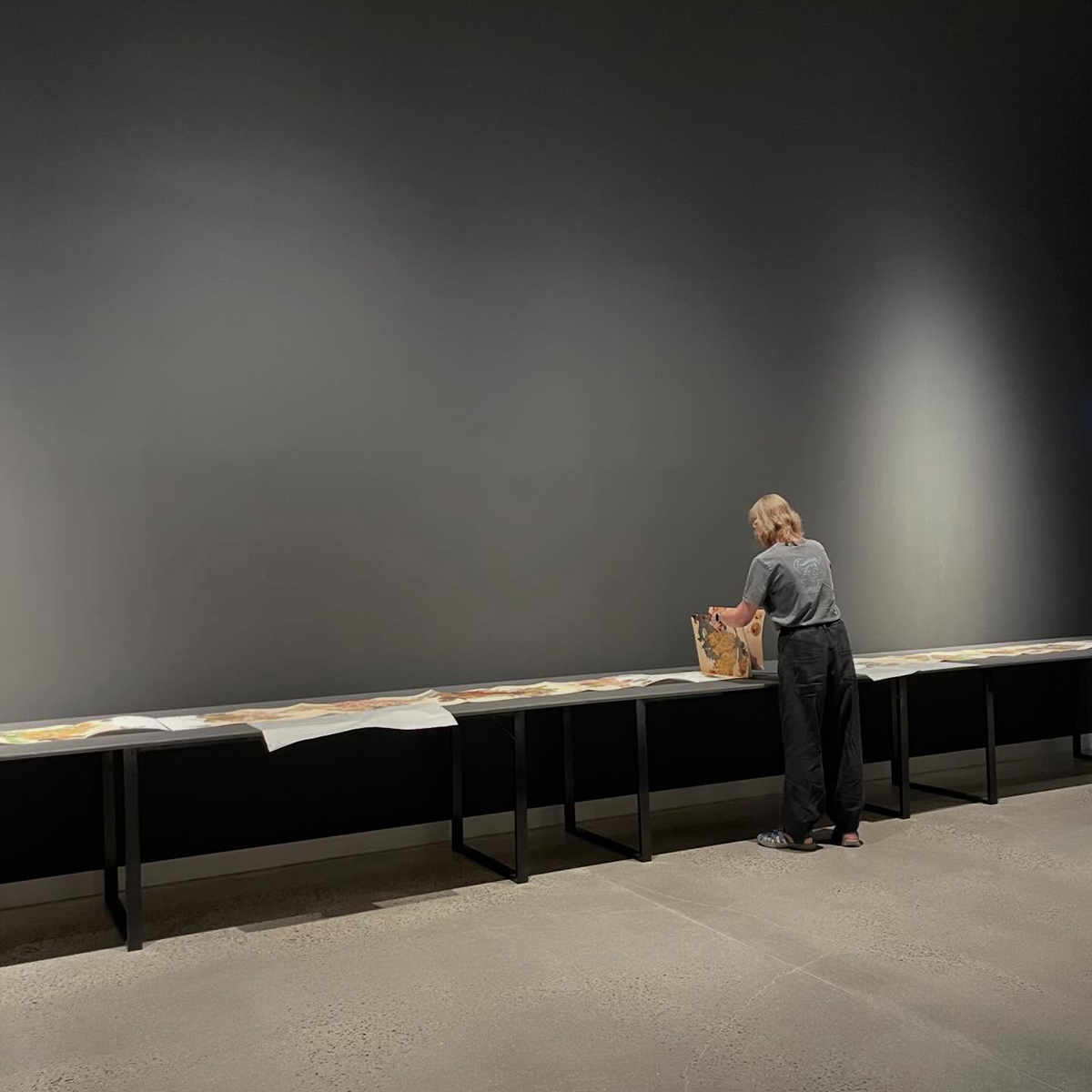
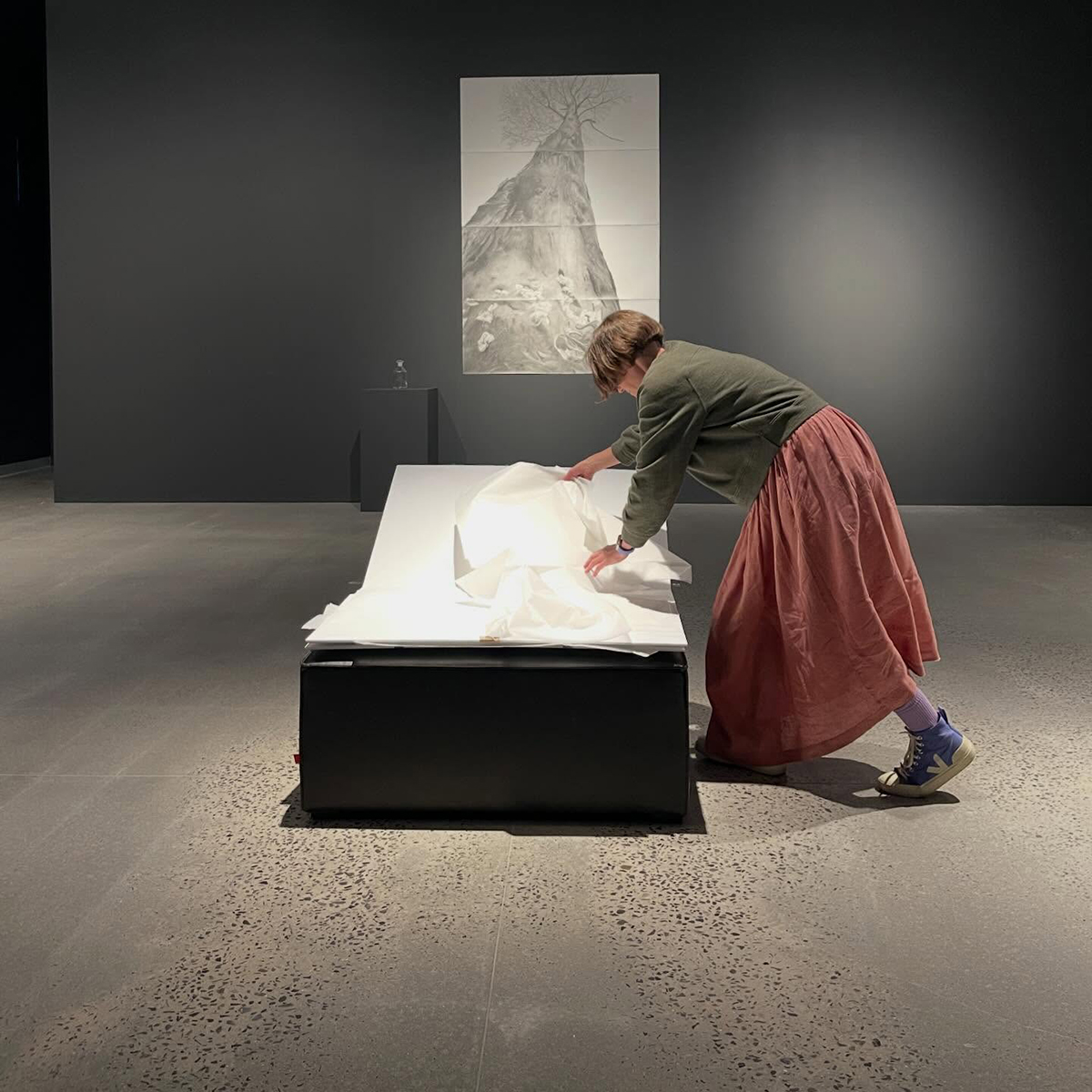
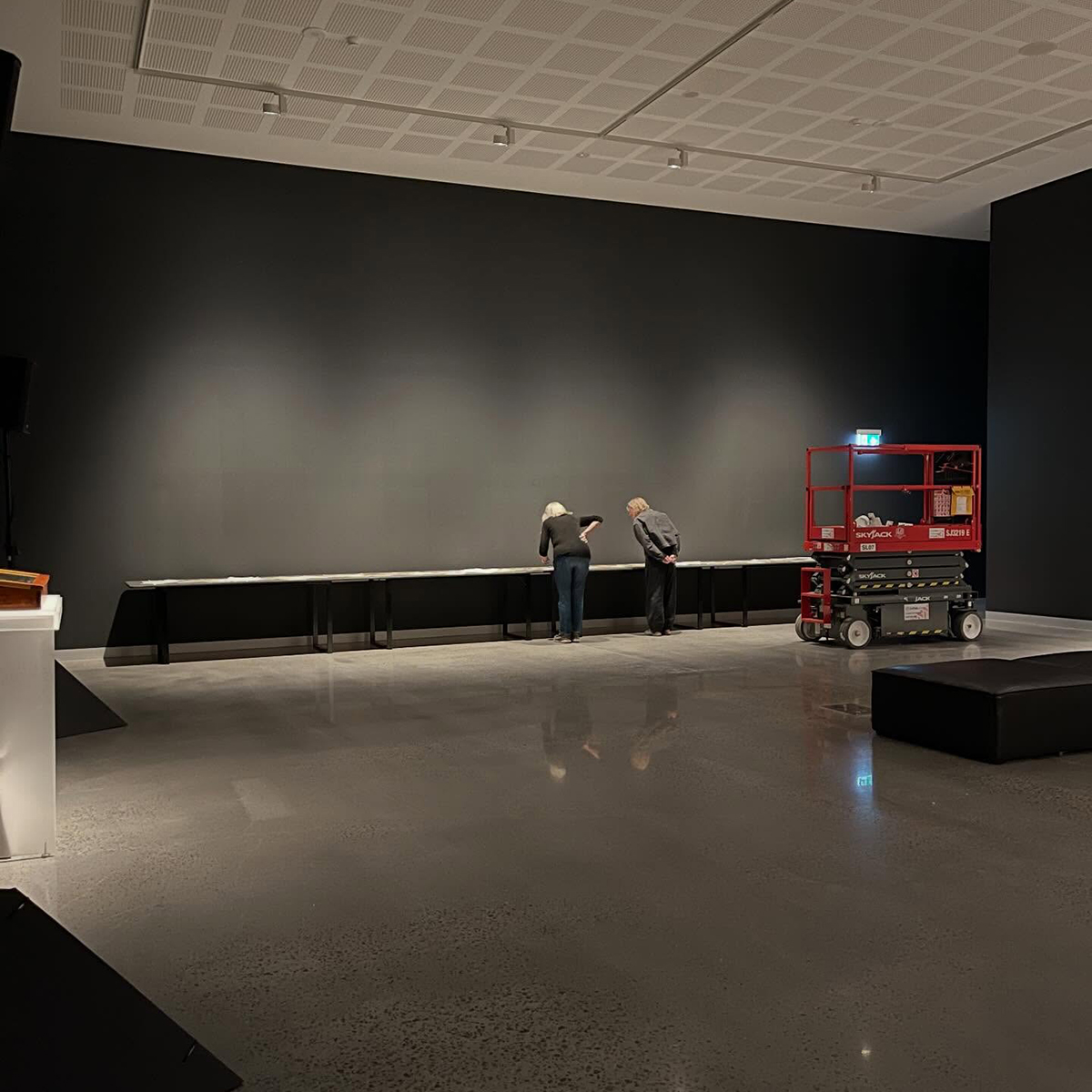
A unique state artists’ book, 9.6 metres in length, our single-sided concertina, folded at 300mm intervals, unfurls like a hyphal thread. Housed in a paper cover, cut by hand, and initially inspired by a Ileodictyon cibarium (commonly known as the basket fungus or the white basket fungus), it was recently on display, and created especially for the exhibition, Entanglements with Fungi: Life, Death and Renewal, at WAMA Foundation.
●
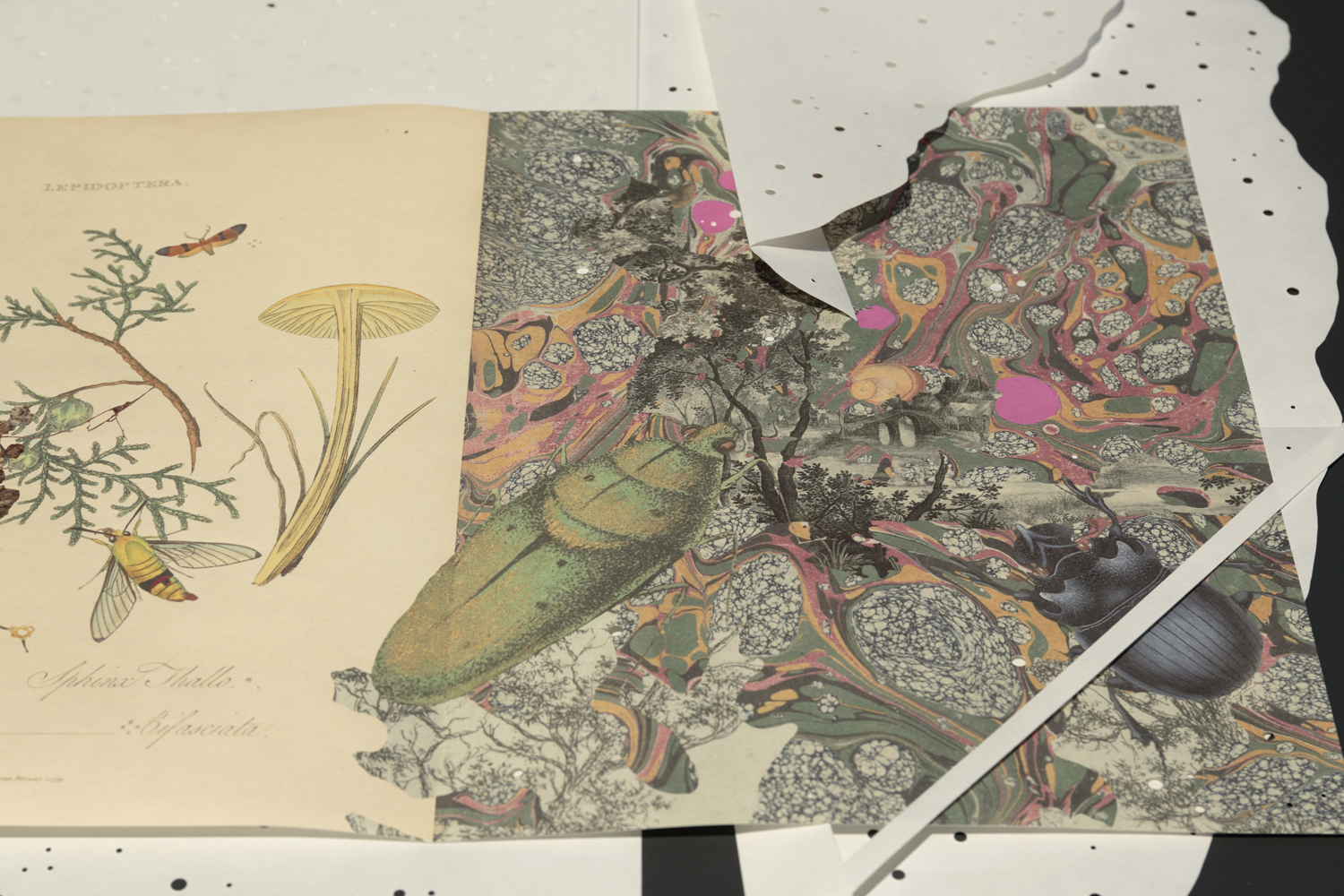
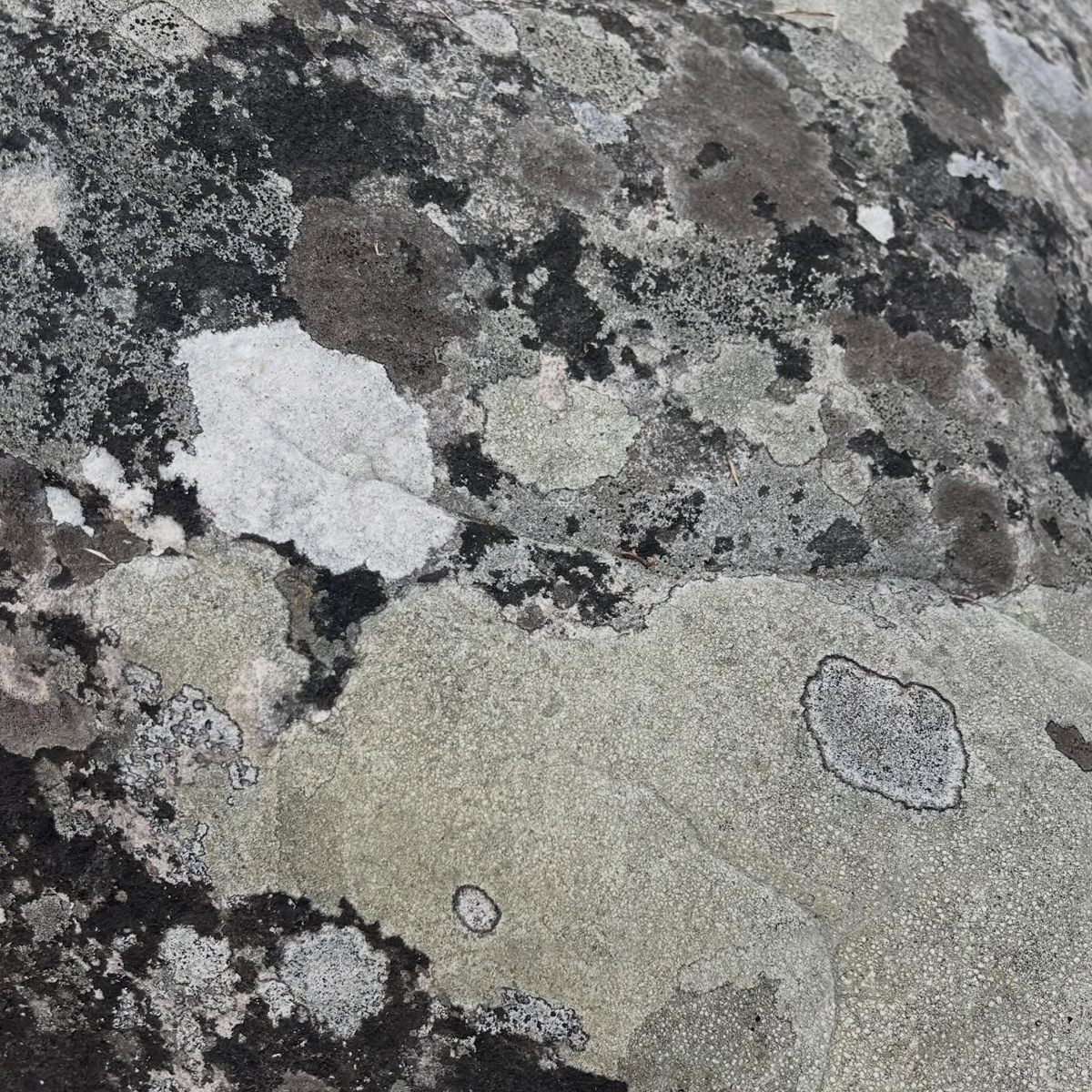
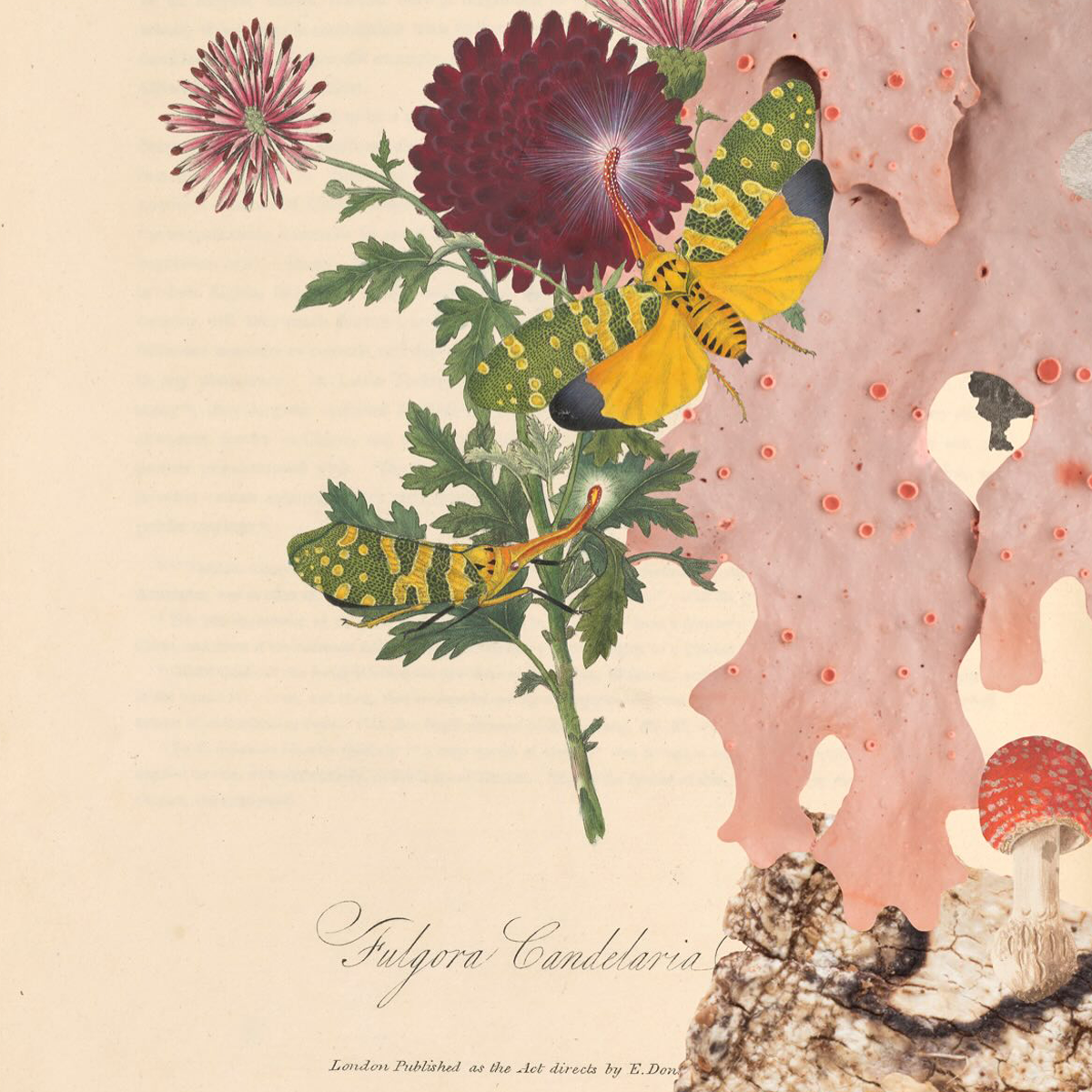
Can we imagine what an edition of Edward Donovan’s An epitome of the natural history of the insects of China[i], from 1798, might look like if it were buried beneath the earth, if it were absorbed by the mycorrhizal framework of diverse systems? Permeated with dried specimens of Coniophora, Coprinopsis and several lichens[ii], the engraved and hand-coloured, glossy highlights of Donovan’s Field crickets and Lantern bugs are in a different kind of transformative process, one that is part concealment, part dream state. What does it look like? How might it feel? How, indeed, do fungi make worlds, over the albumen overglaze of Dung beetles, or the metallic sheen of the wood-boring Chrysochroa vittata? What might those interlaced webs sound like as they grow, all energy and all movement? Can we fuse a fantastical symbiosis on the page in a state of togetherness?
[i] Donovan’s trilogy of illustrated works on insects, known as the Epitome series, features over 100 species from China, 250 species in Insects of India and the Islands in the Indian Seas (1800), and 153 species in Insects of New Holland, New Zealand, New Guinea, Otaheite, and other islands in the Indian, Southern, and Pacific Oceans (1805). “These works offer a glimpse into the intersection of art and science in the Georgian era.” ‘Donovan’s Insects: Among the earliest European recordings of the entomology of Asia and the Pacific’, The University of Sydney Library, https://www.library.sydney.edu.au/browse/special-collections/donovan-s-insects, accessed 2nd March, 2026.
[ii] Pseudocyphellaria carpoloma (Delise) Vain., Pseudocyphellaria durvillei (Delise) Vain., Pseudocvohellaria carooloma (Delise) Vain., Menegazzia eperforata P.James & D.J.Galloway, and more besides. “Lichens are neither fungi nor plants — they are both. Lichens are classified with the fungi (being sometimes referred to as lichenized fungi). The fungi incorporated into lichens are largely ascomycetes, with very few basidiomycetes involved.” ‘What is a lichen?’, Australian National Herbarium, https://www.anbg.gov.au/lichen/what-is-lichen.html, accessed 2nd March, 2026.
﹏
RELATED LINKS,
ENTANGLEMENTS WITH FUNGI: LIFE, DEATH AND RENEWAL, WAMA
THE REMAKING OF THINGS, SECOND TELLING
RELATED POSTS,
WELL MAPPED
SANCTUARY REWOUND
SANCTUARY
“GREGARIOUS. FAN-SHAPED FRUITING BODIES.”
WHERE REALMS COLLIDE
OVER GROOVES OF YEW; OVER SPIKES OF LEAF
FRUITION TO FUNGI
ON WALL, ON SCREEN, FORMED, AND FORMING
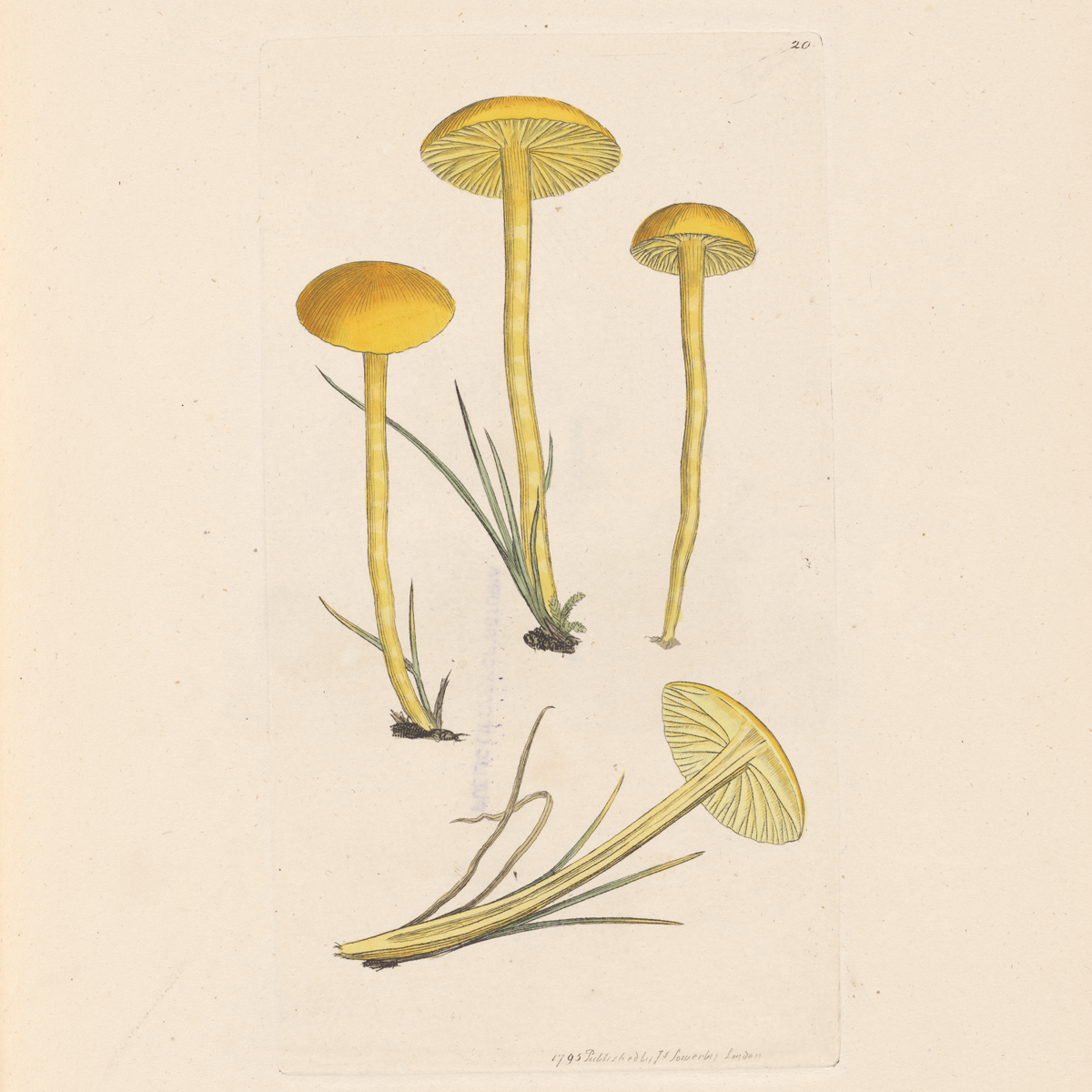
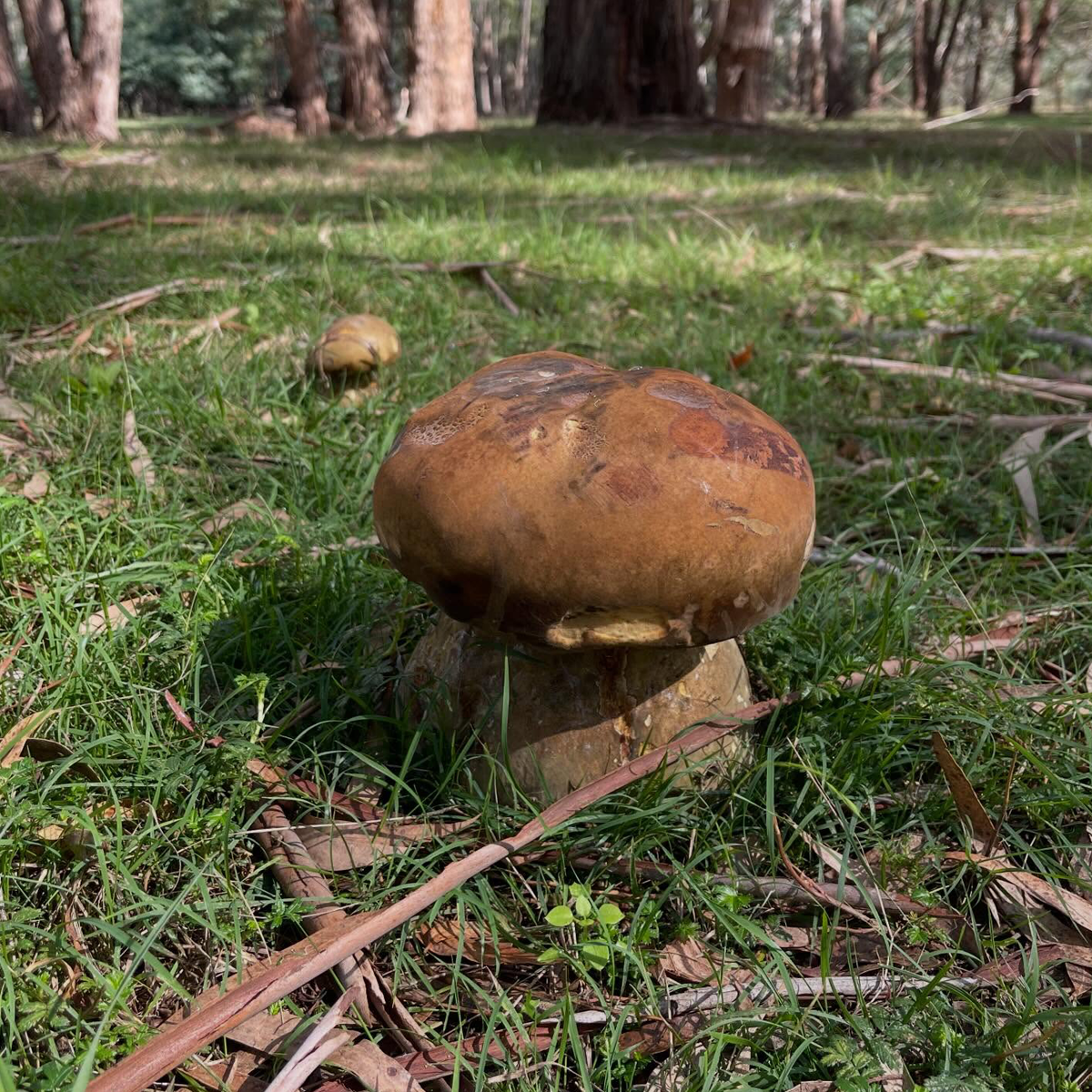
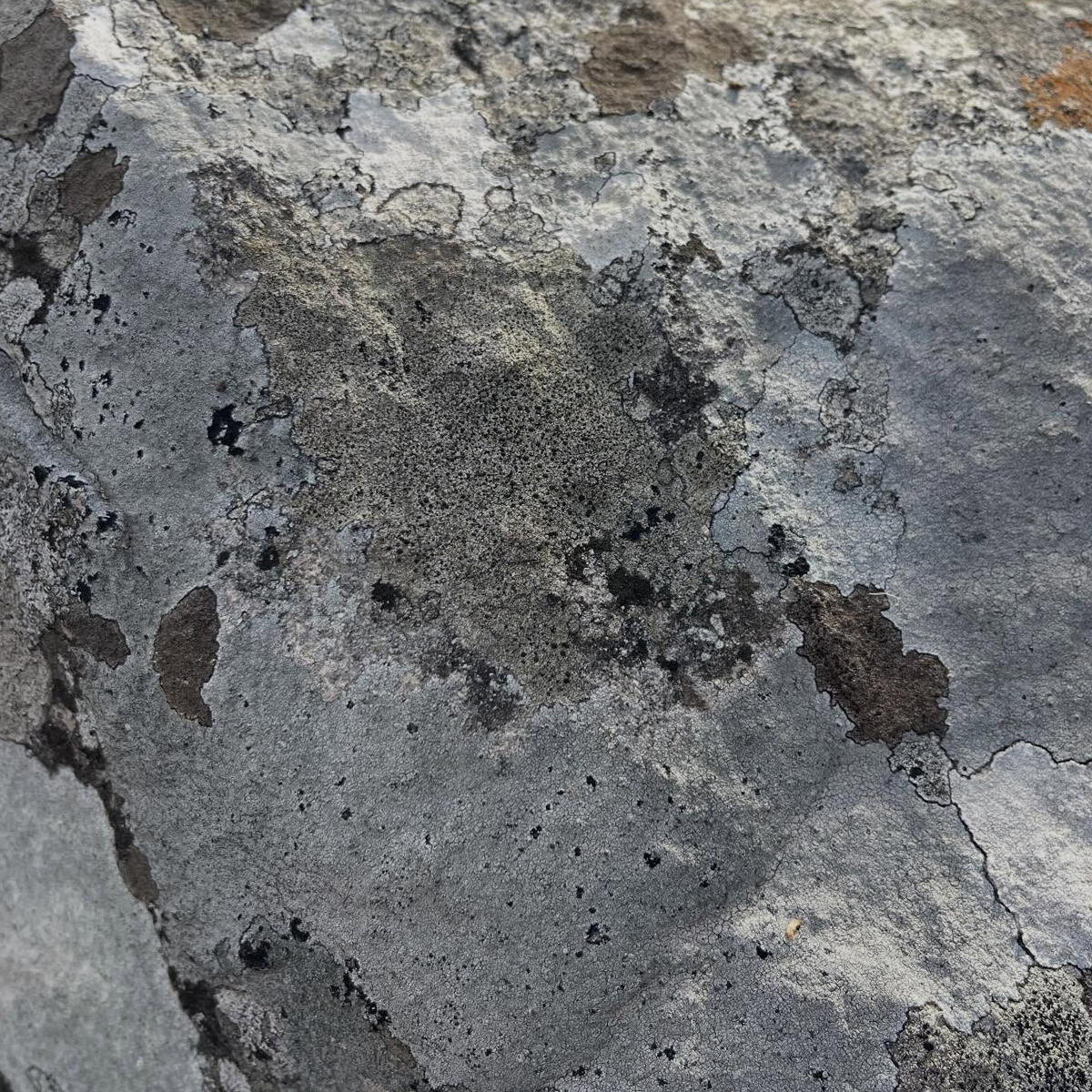
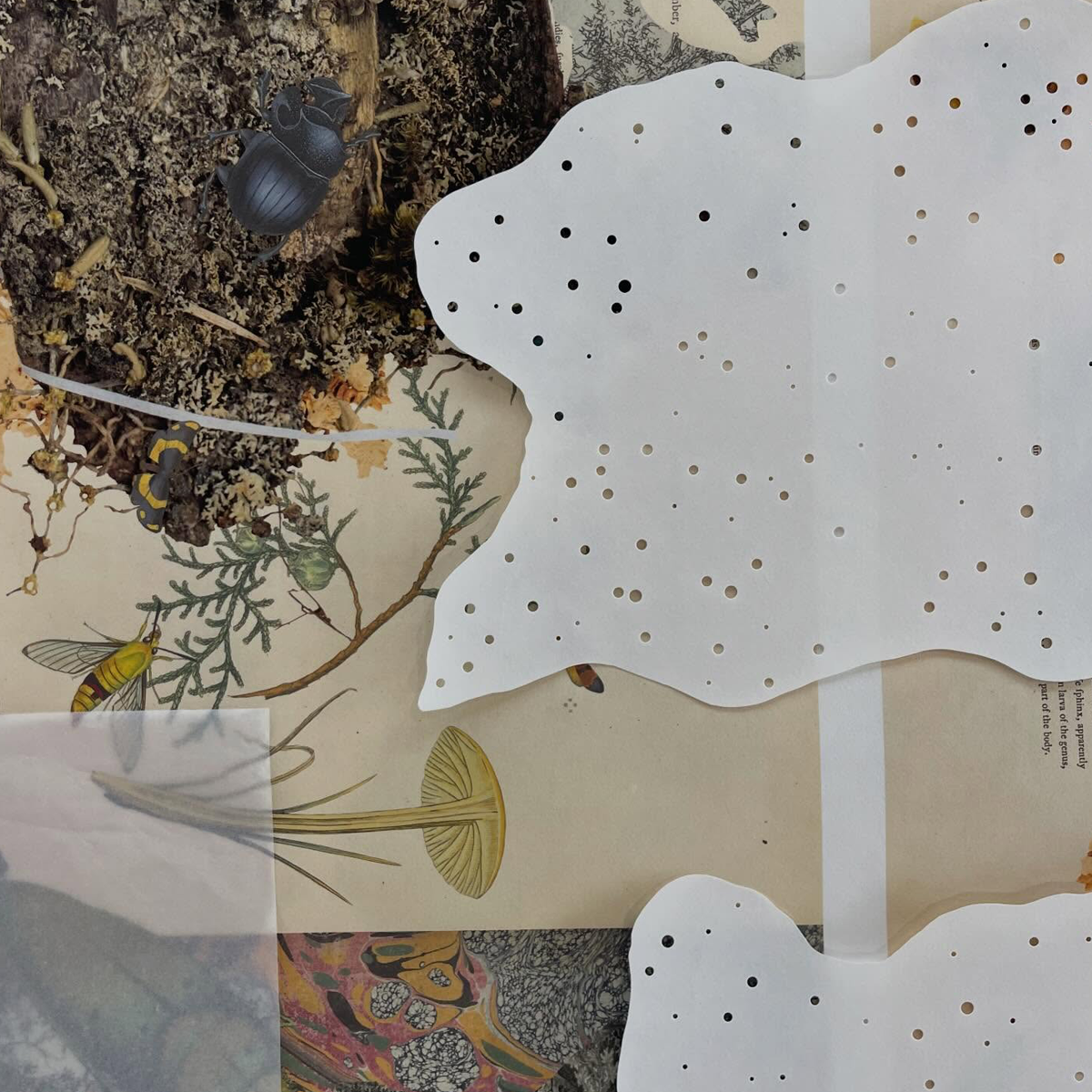
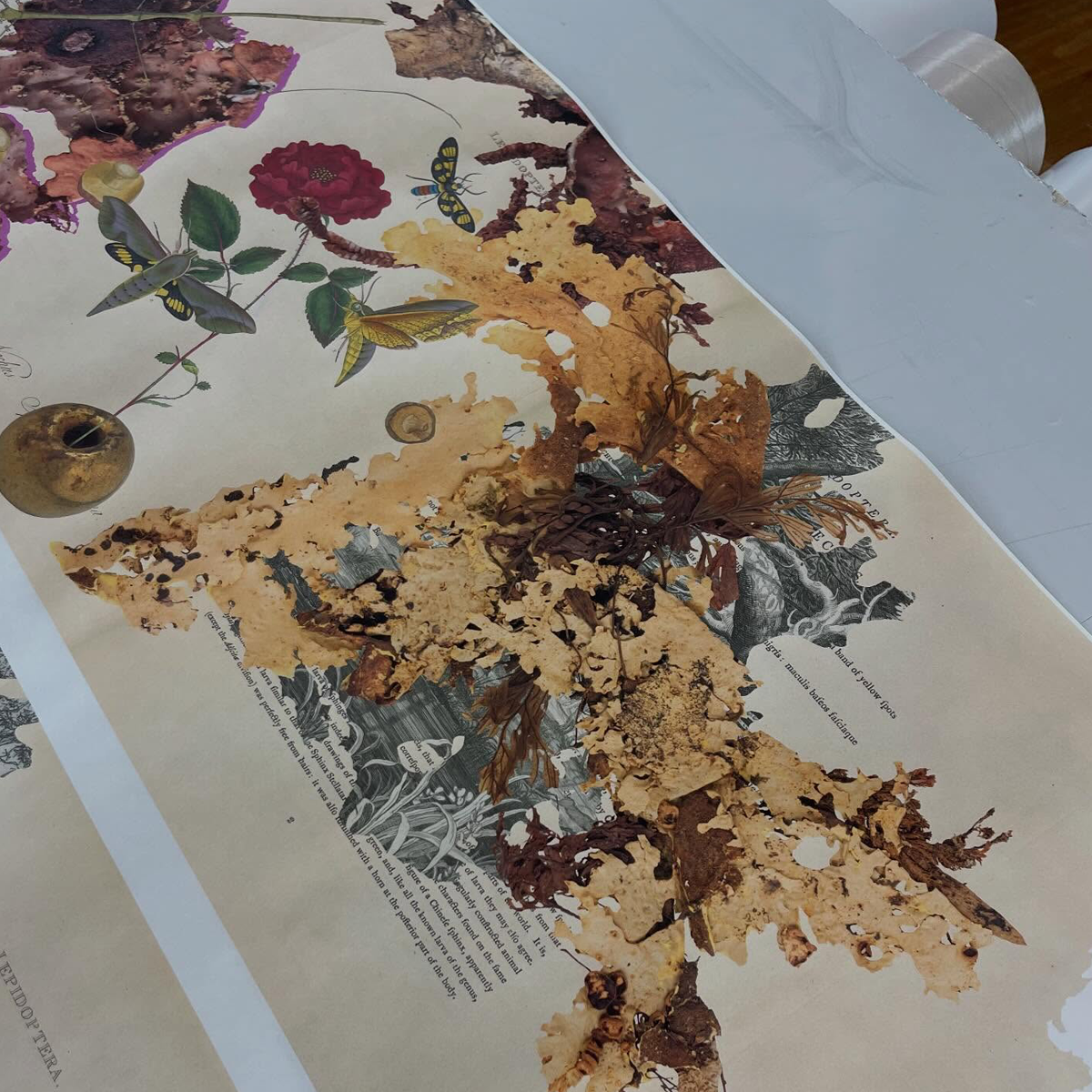
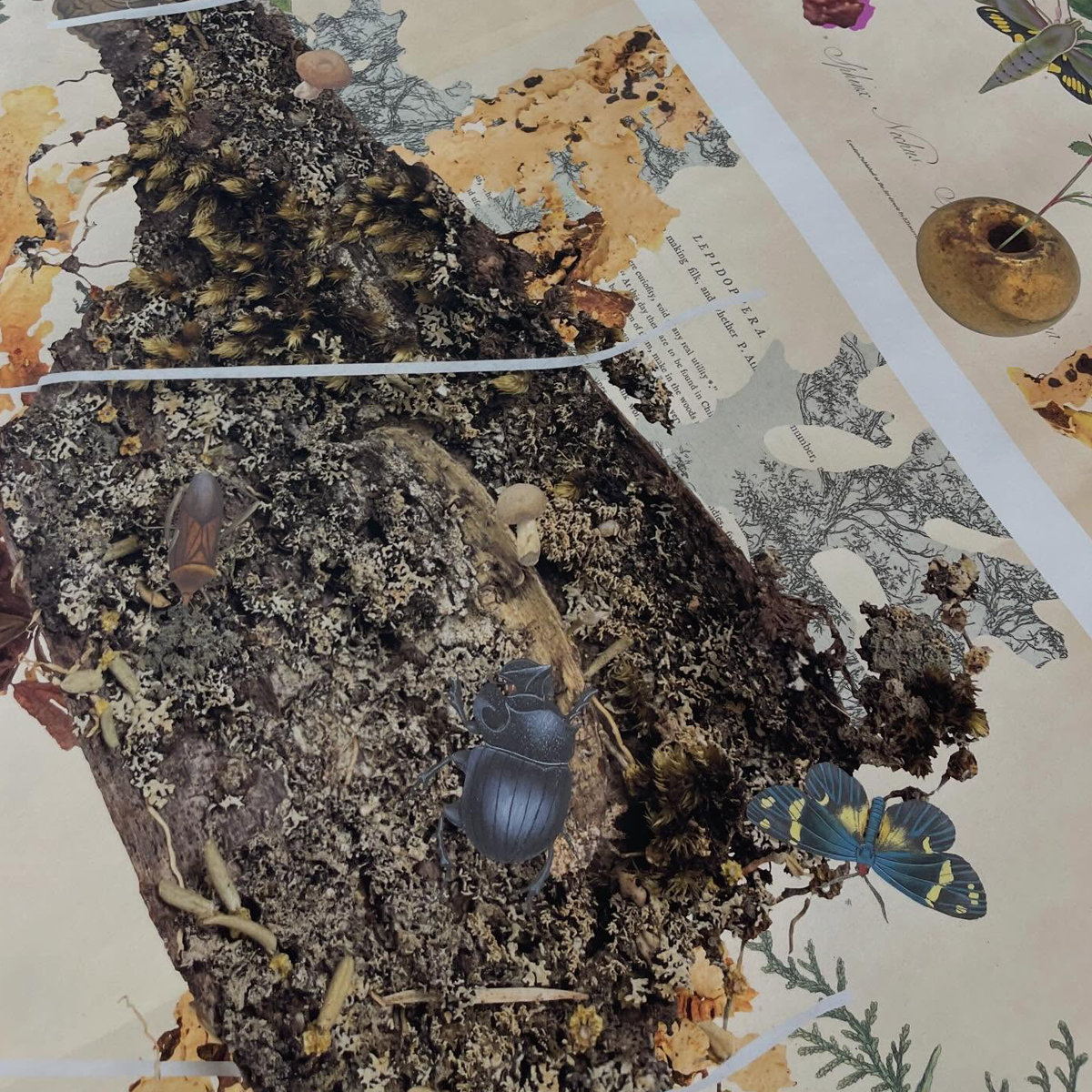
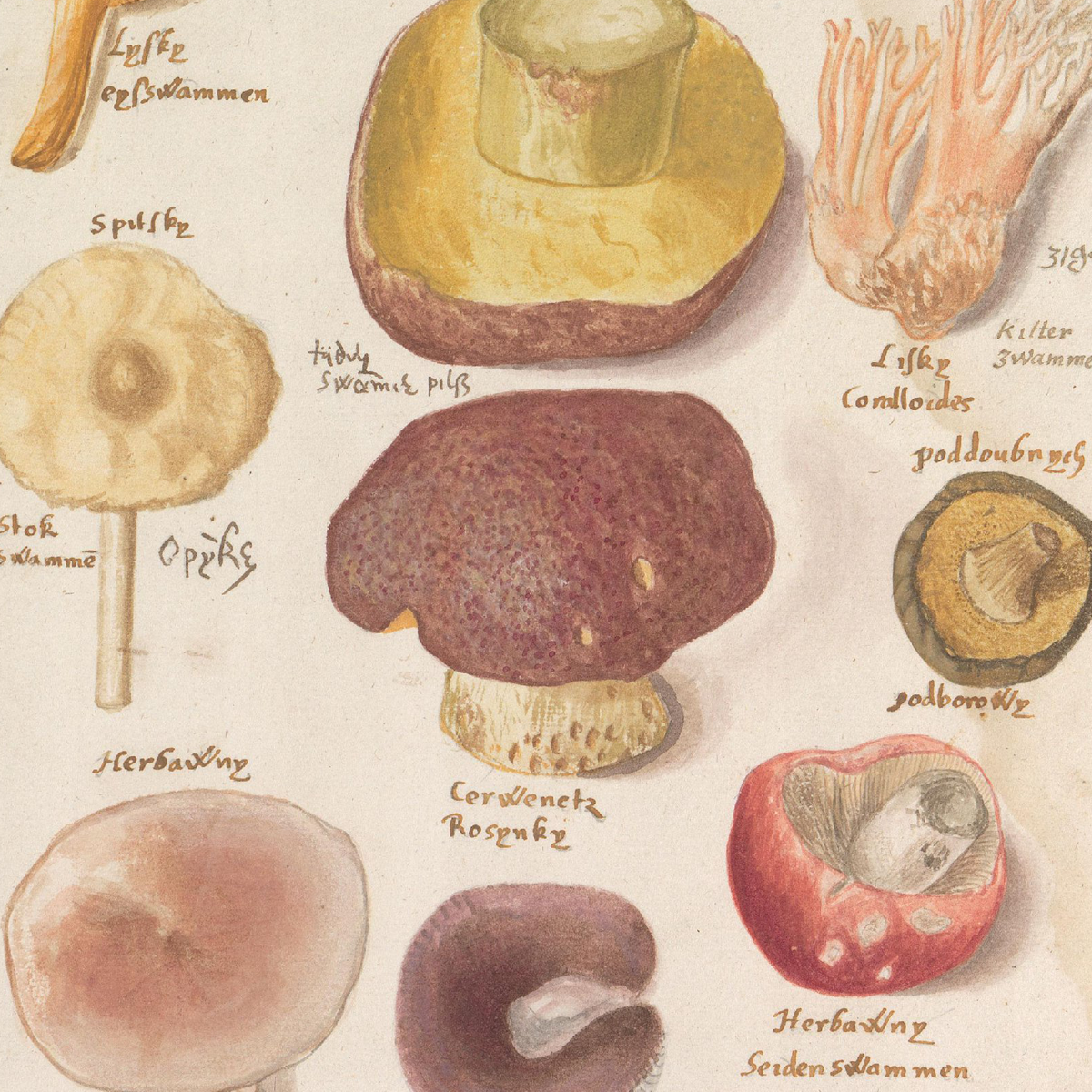
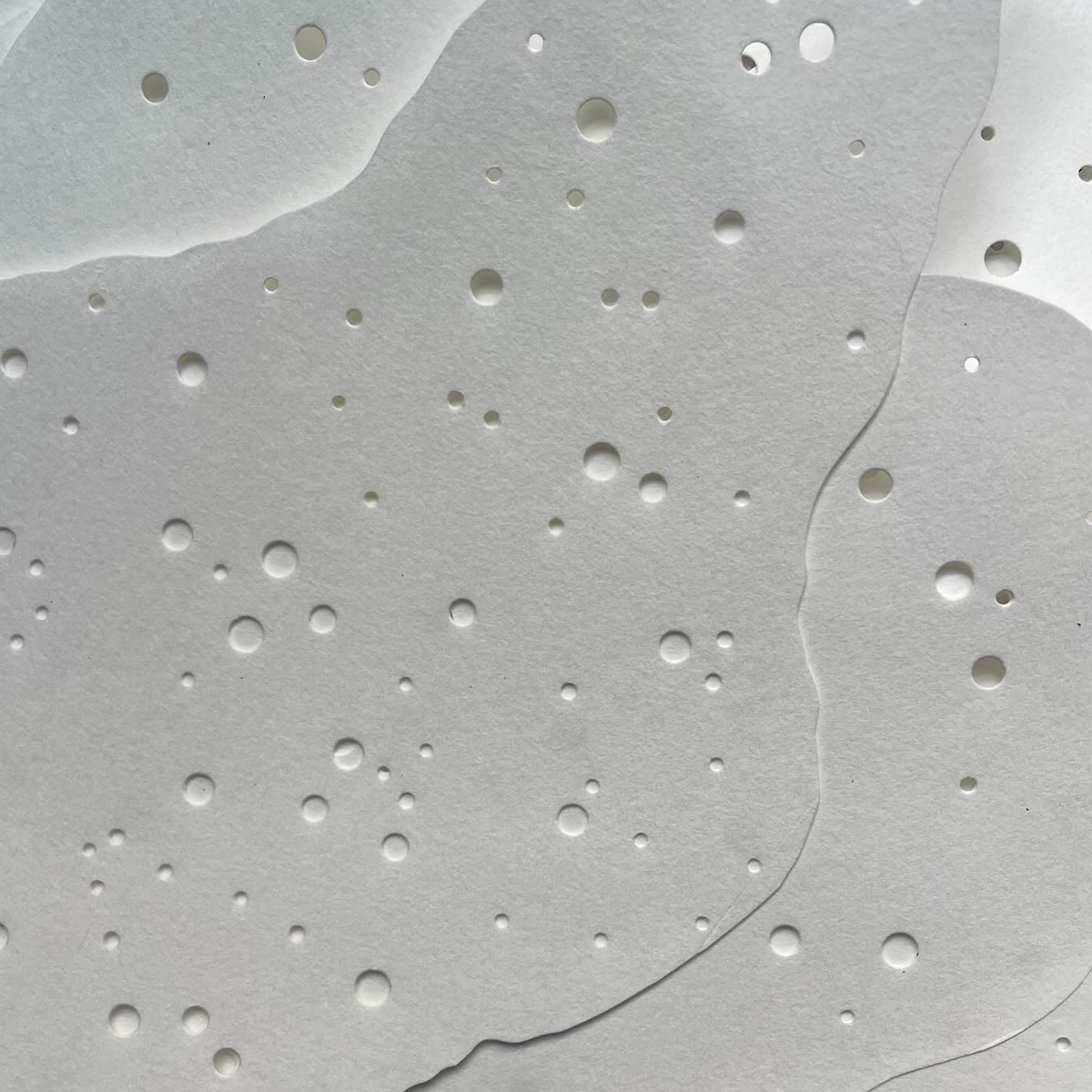
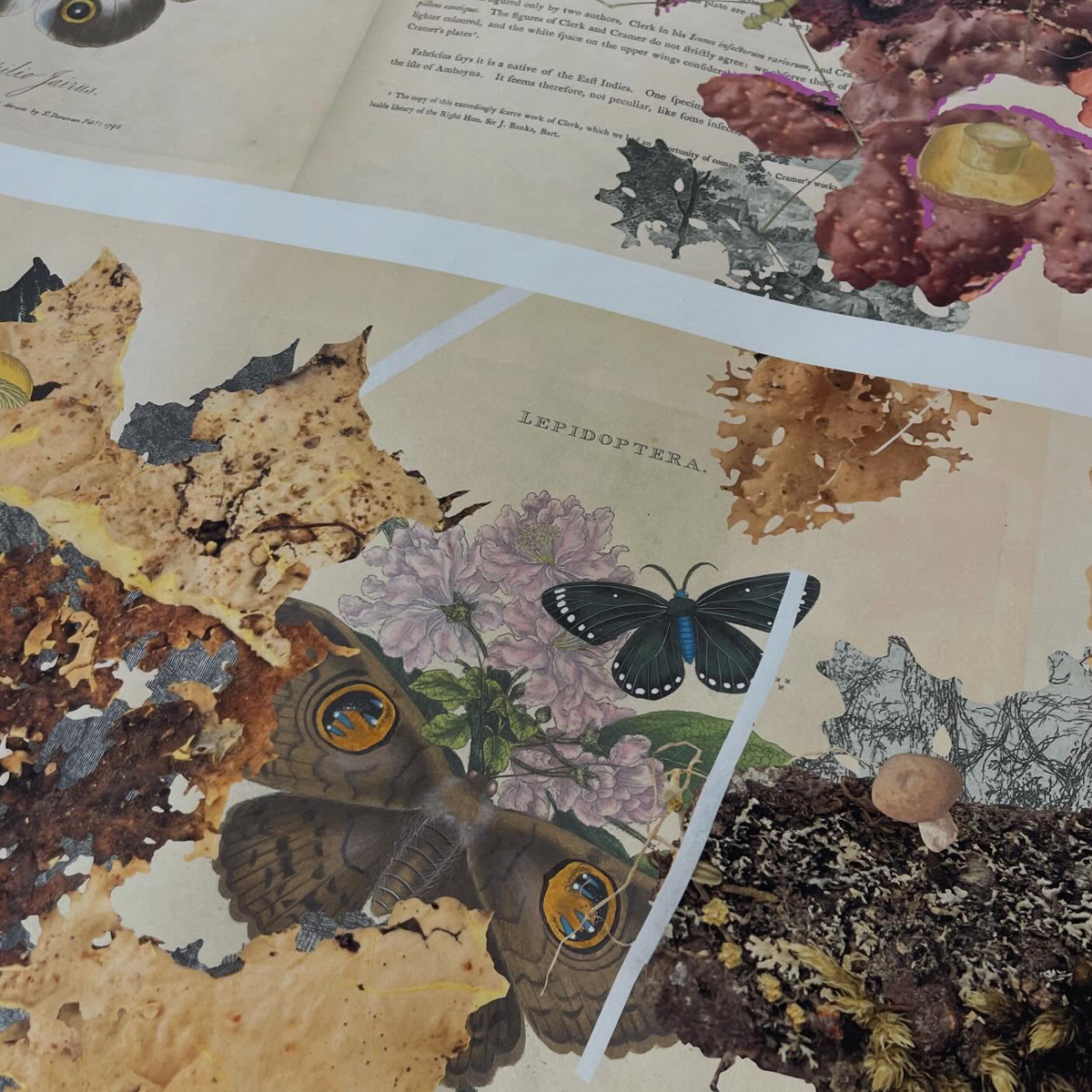
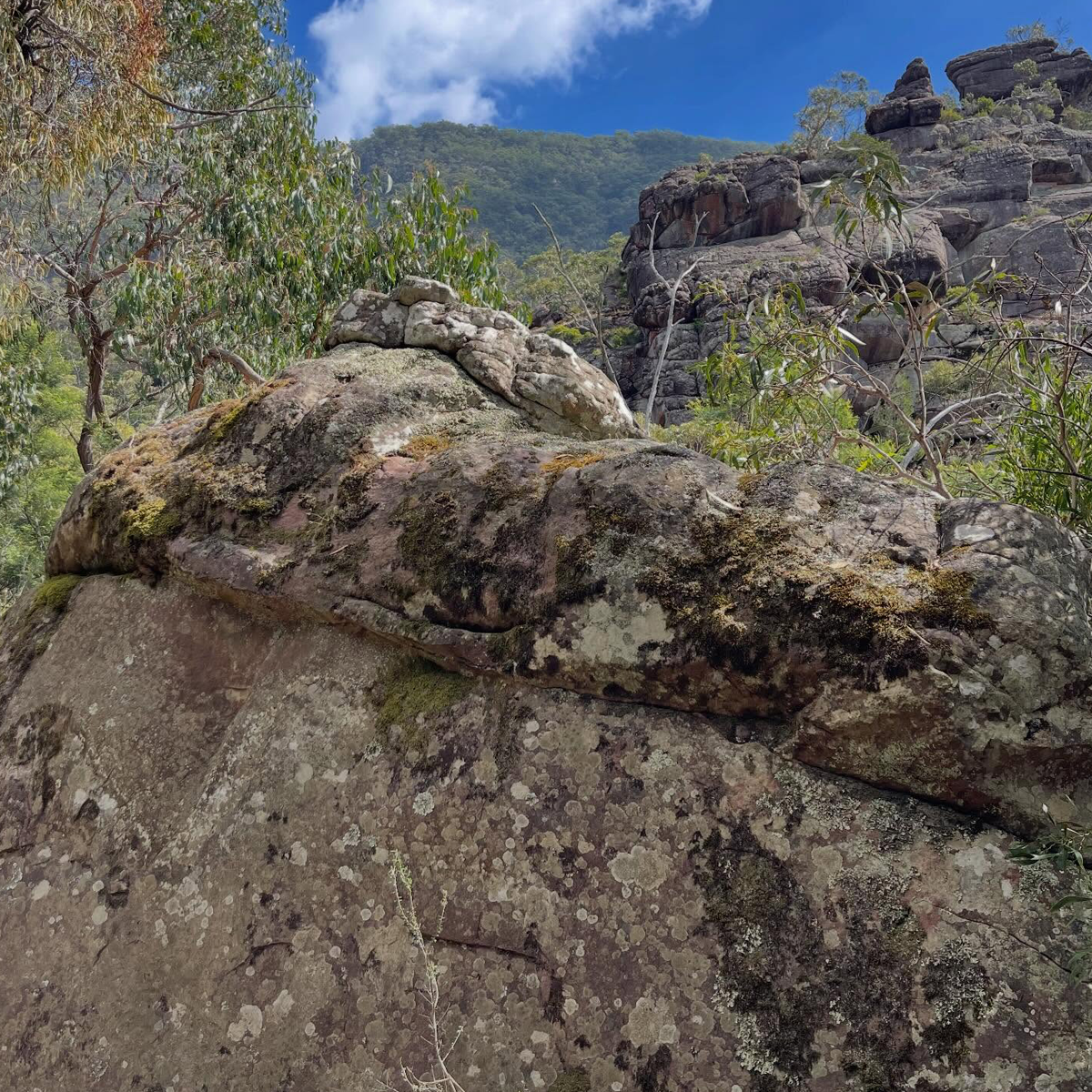
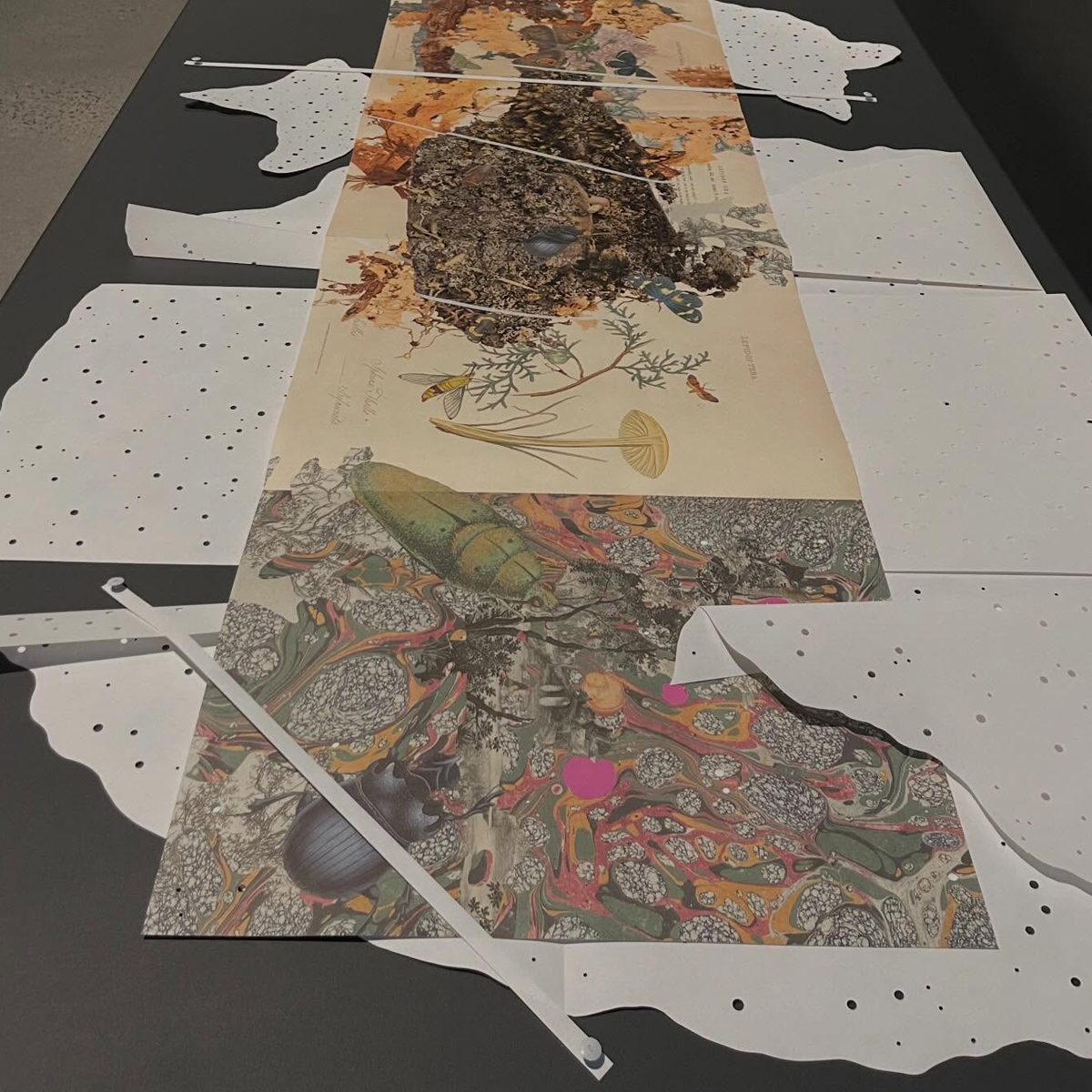
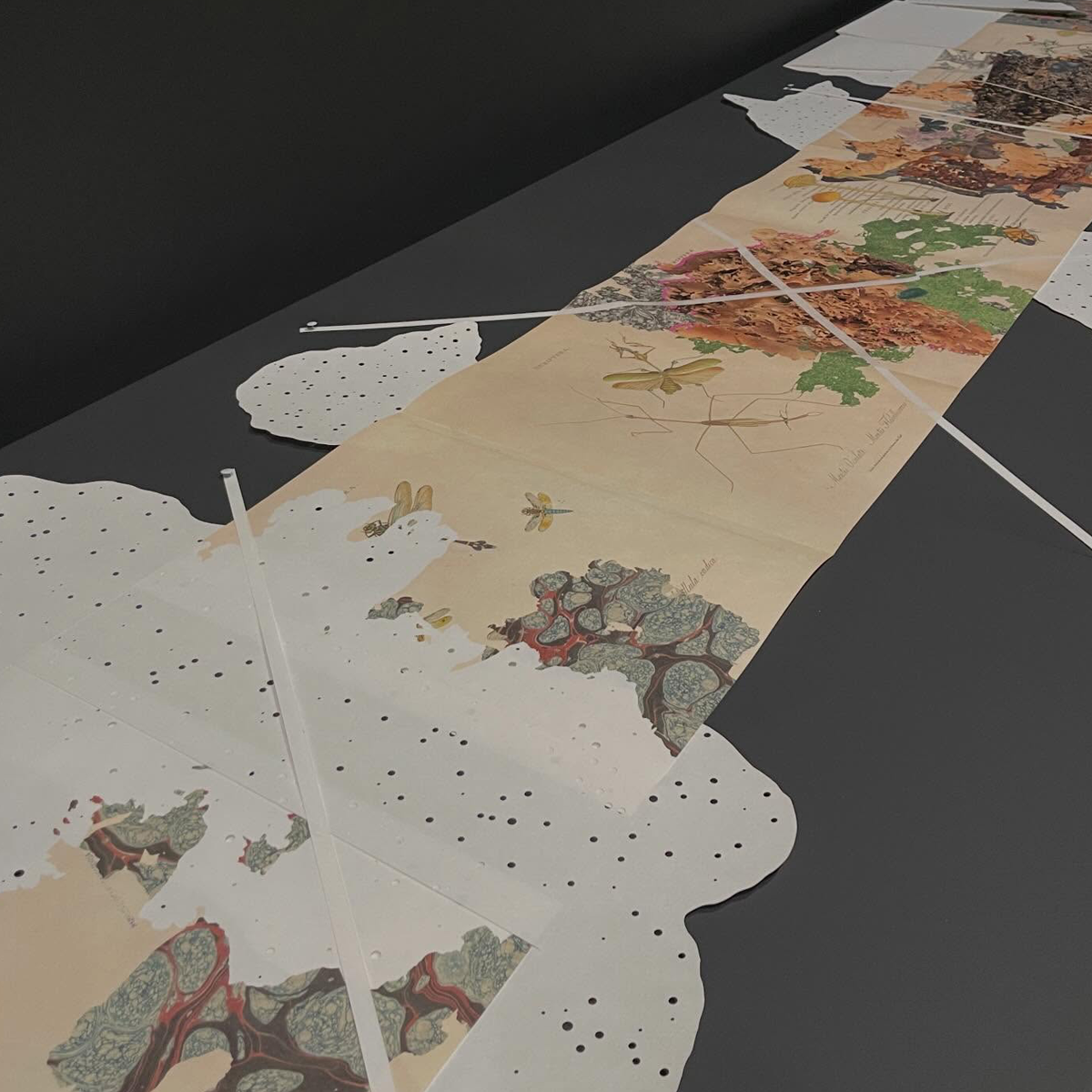
Components within the collage include
Specimens from the Auckland War Memorial Museum, Museum of New Zealand Te Papa Tongarewa, The Royal Botanic Gardens & Domain Trust, and The Royal Botanic Gardens Victoria via The Australasian Virtual Herbarium
Menegazzia eperforata P.James & D.J.Galloway
Pseudocyphellaria billardierei (Delise) Raesaenen
Pseudocvohellaria carooloma (Delise) Vain.
Pseudocyphellaria carpoloma (Delise) Vain.
Pseudocyphellaria chloroleuca (J.D.Hook. et Taylor) Du Rietz
Pseudocyphellaria crocata (L.) Vain.
Pseudocyphellaria colensoi (Church.Bab.) Vainio
Pseudocyphellaria durvillei (Delise) Vain.
Micarea melaena (Nyl.) Hedl
Menegazzia eperforata P.James & D.J.Galloway
Panellus stipticus
Stricta
Stirtoniella kelica (Stirt.) D.J.Galloway et al.
Tremellodendropsis
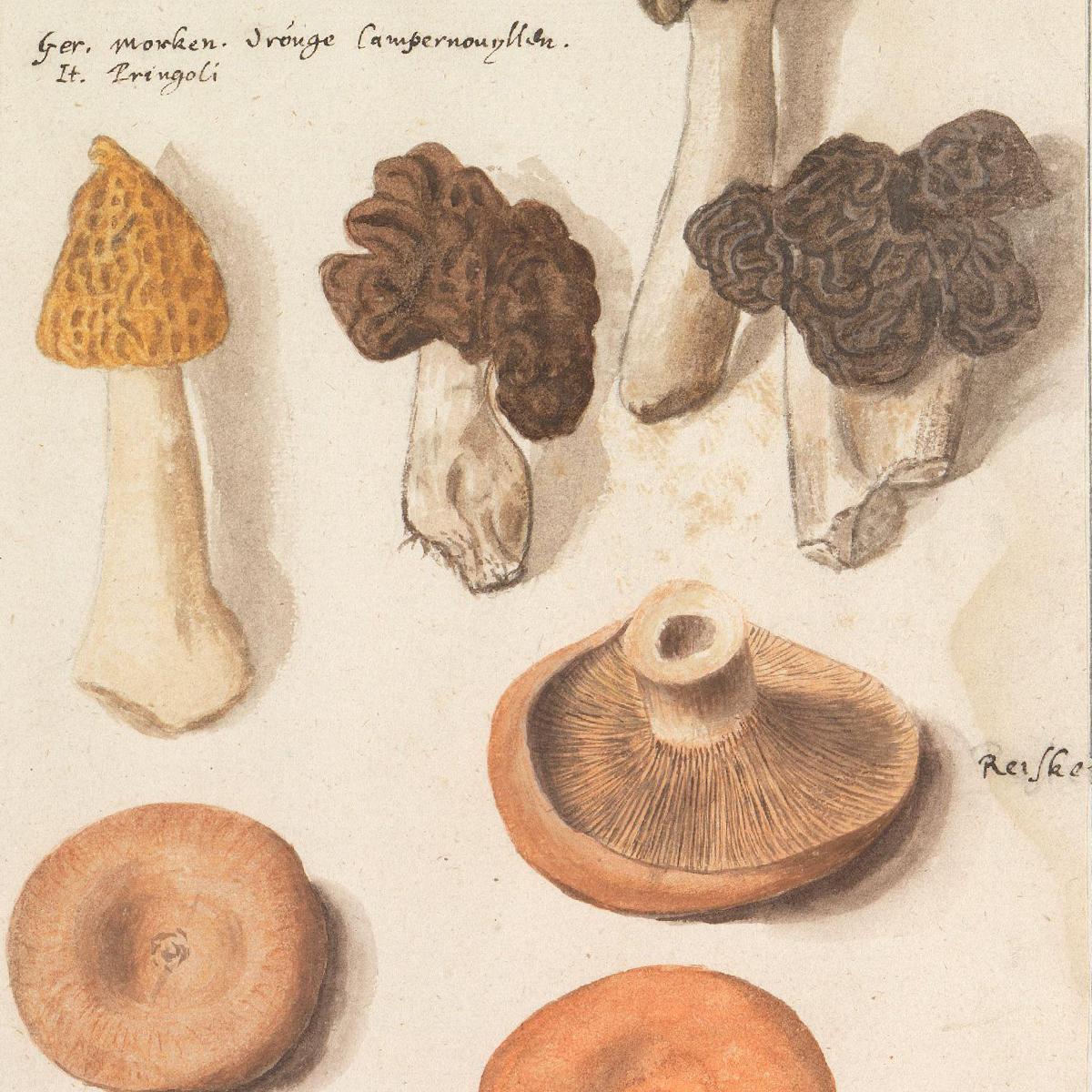
Anselmus Boëtius de Boodt from Natural History of Emperor Rudolph II of Prague, “12 imperial folio volumes, containing c. 750 highly finished watercolours”, 1596–1610
Fly agaric (Amanita muscaria)
Mushrooms (“Some types can be consumed without worry, while others are poisonous or hallucinogenic”)
Morieljes (Morchella)
Edward Donovan
Thirty whole page details, plus endpapers, are from State Library Victoria’s 1798 hand-coloured edition of An epitome of the natural history of the insects of China : comprising figures and descriptions of upwards of one hundred new, singular, and beautiful species; together with some that are of importance in medicine, domestic economy, &c. ... The descriptions are arranged according to the system of Linnaeus; with references to the writings of Fabricius, and other systematic authors / by E. Donovan. London: Printed for the Author by T. Bensley, and sold by White, ...; Faulder, ...; Bell, ... &c.
Israhel van Meckenem
Foliate Ornament with an Amorous Couple, c. 1490–1500
Jan van Londerseel (mentioned on object) after design by David Vinckboons (mentioned on object)
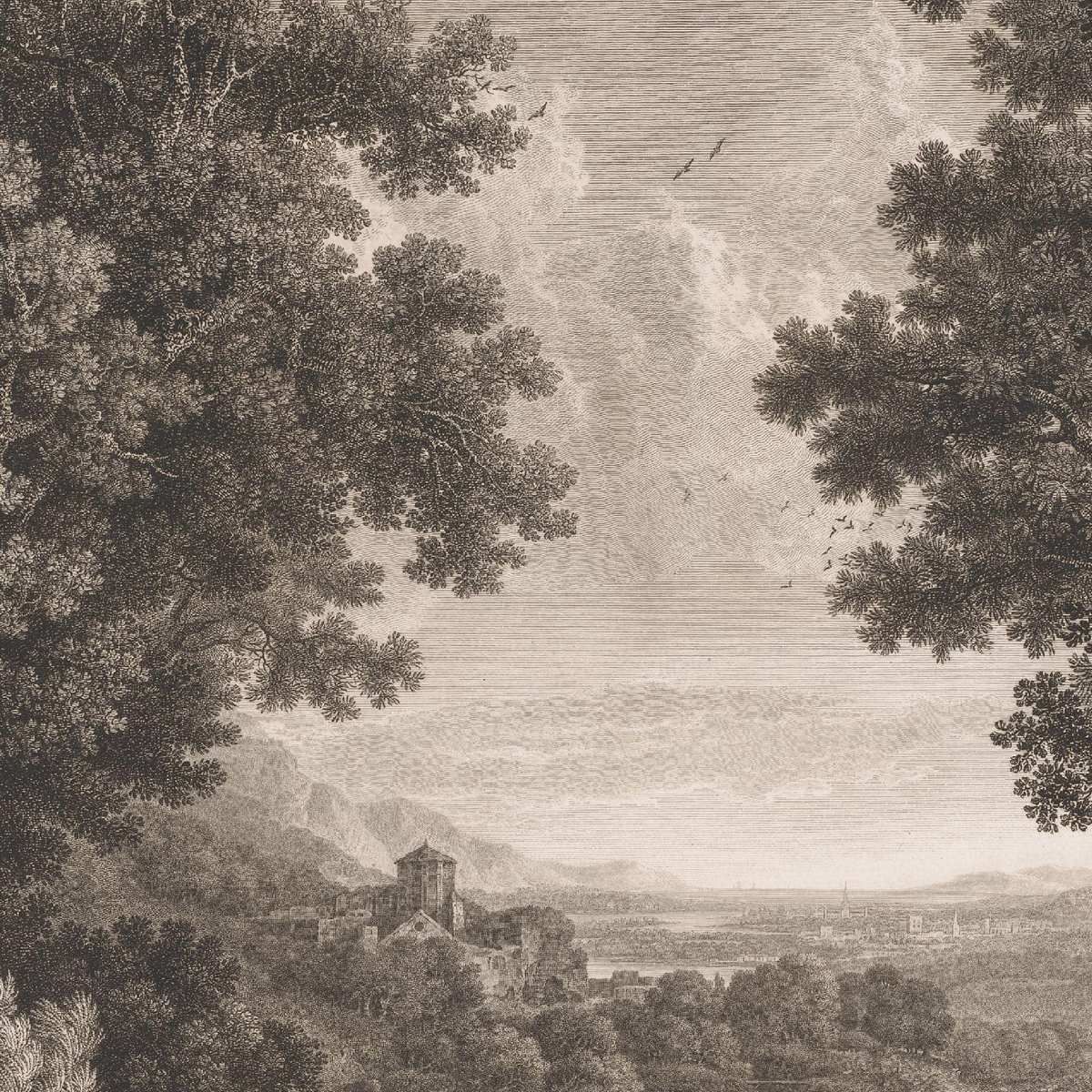
Landscape with the Healing of the Blind, c. 1601
Giovanni Battista Piranesi
Veduta interna del Tempio della Tosse... (Interior view of the Tempio della Tosse...), 1764
James Sowerby
Coloured figures of English fungi or mushrooms, 1797–[1809]
From Caspar Stoll’s Natuurlyke en naar 't leeven naauwkeurig gekleurde afbeeldingen en beschryvingen der wantzen, in alle vier weerelds deelen Europa, Asia, Africa en America huishoudende, 1788
The Fleeceleg (De Vliespoot)
The green and yellow cicada (De Groene en Geele Cicade)
Adriaen Hendriksz Verboom
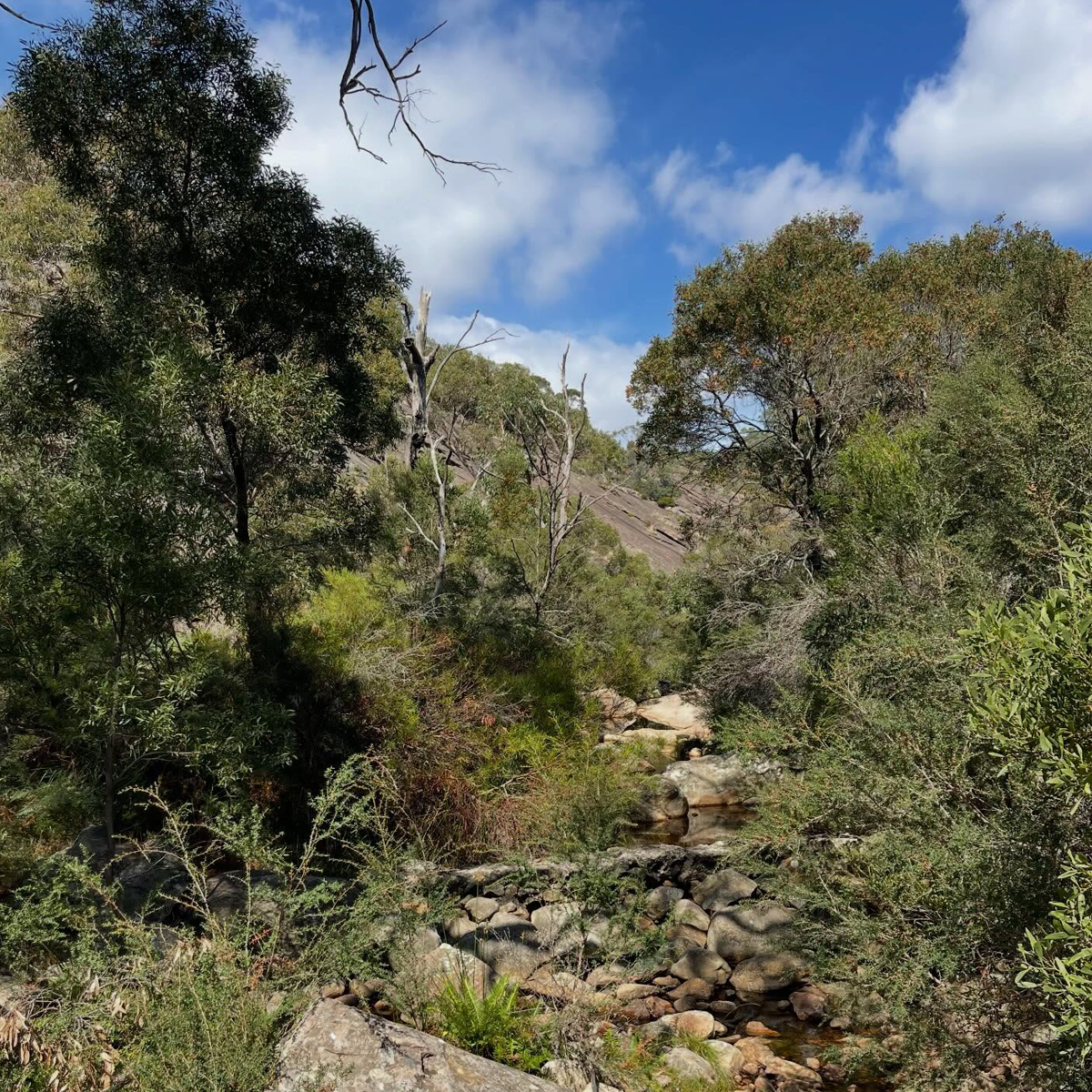
Landscape with a Stream, 1637–1673
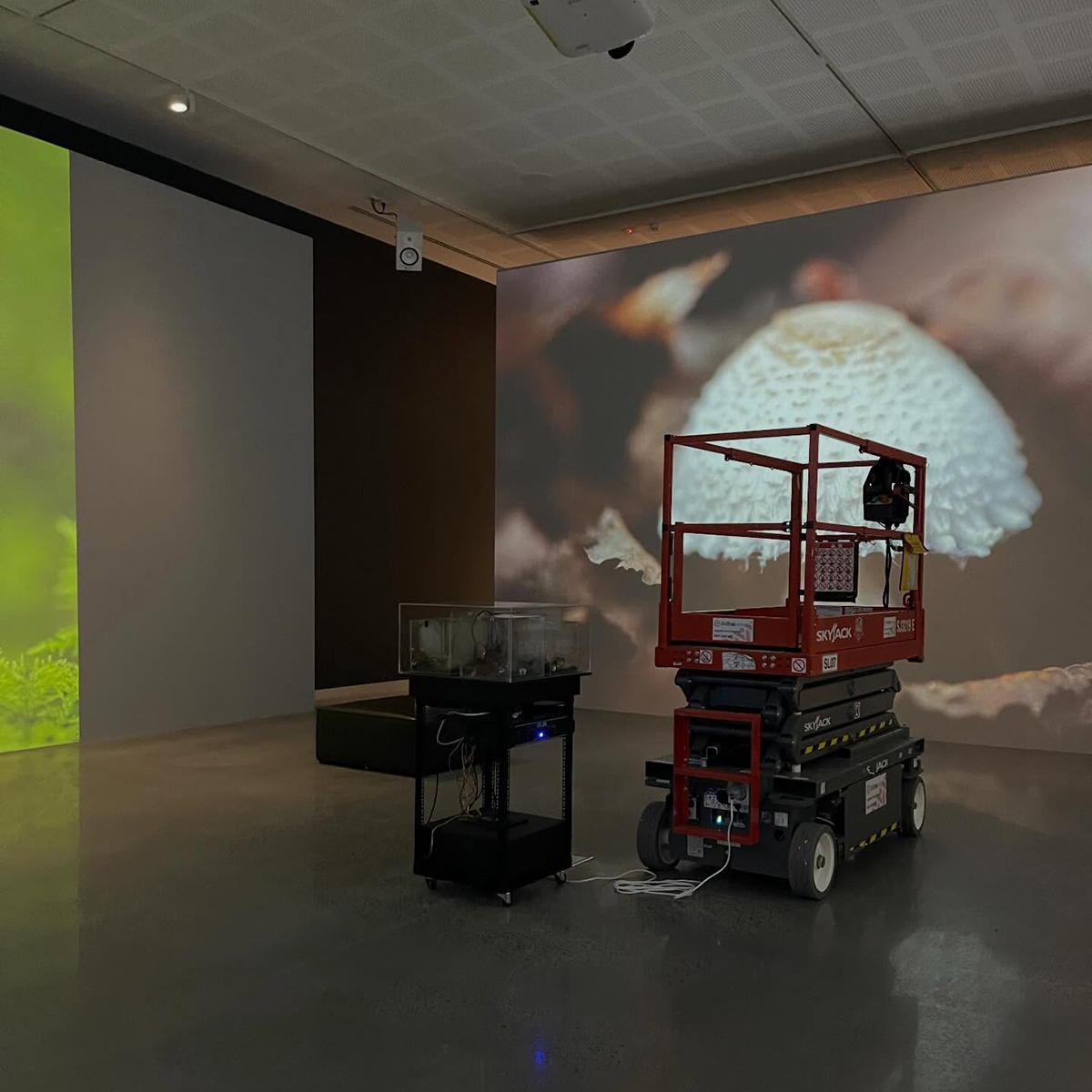
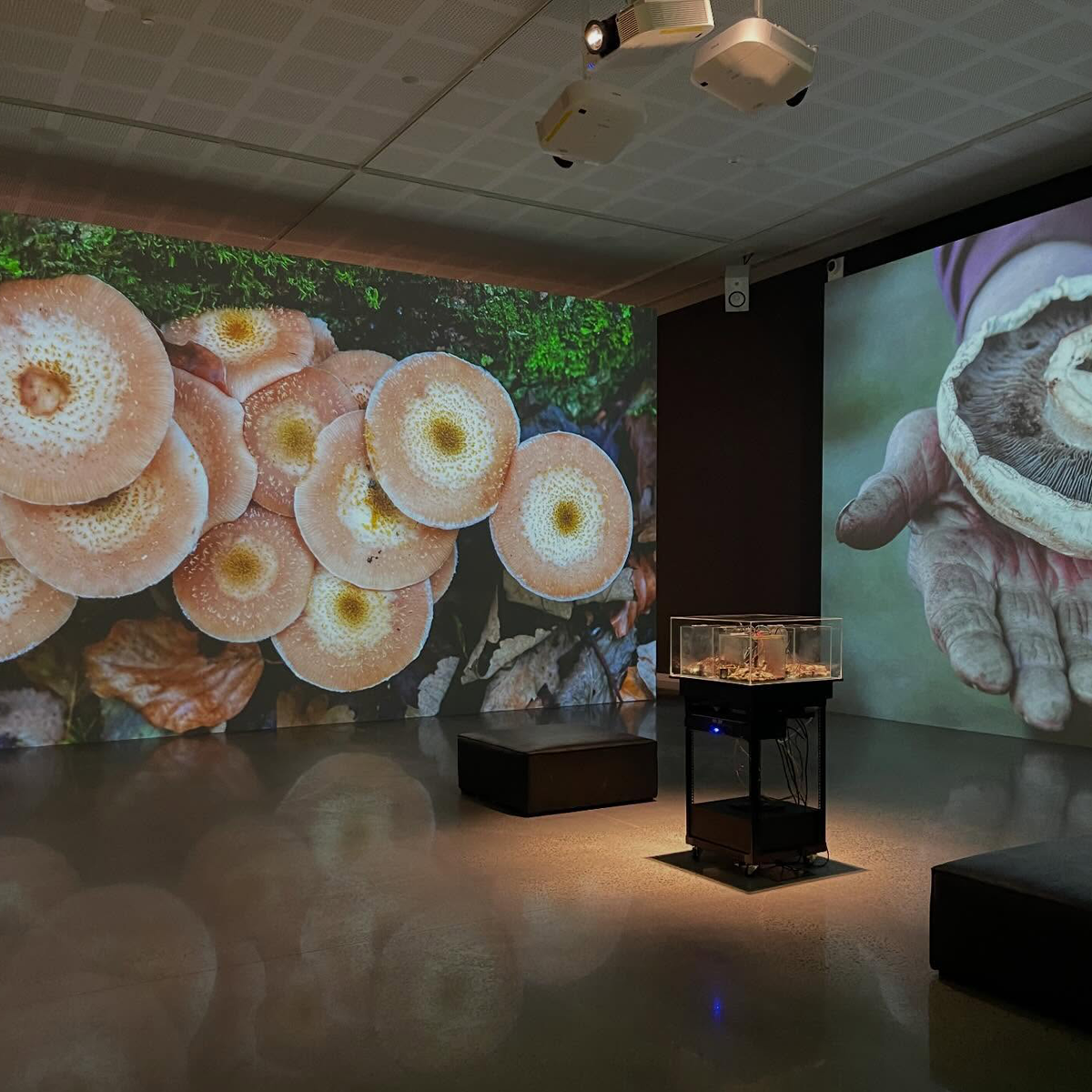
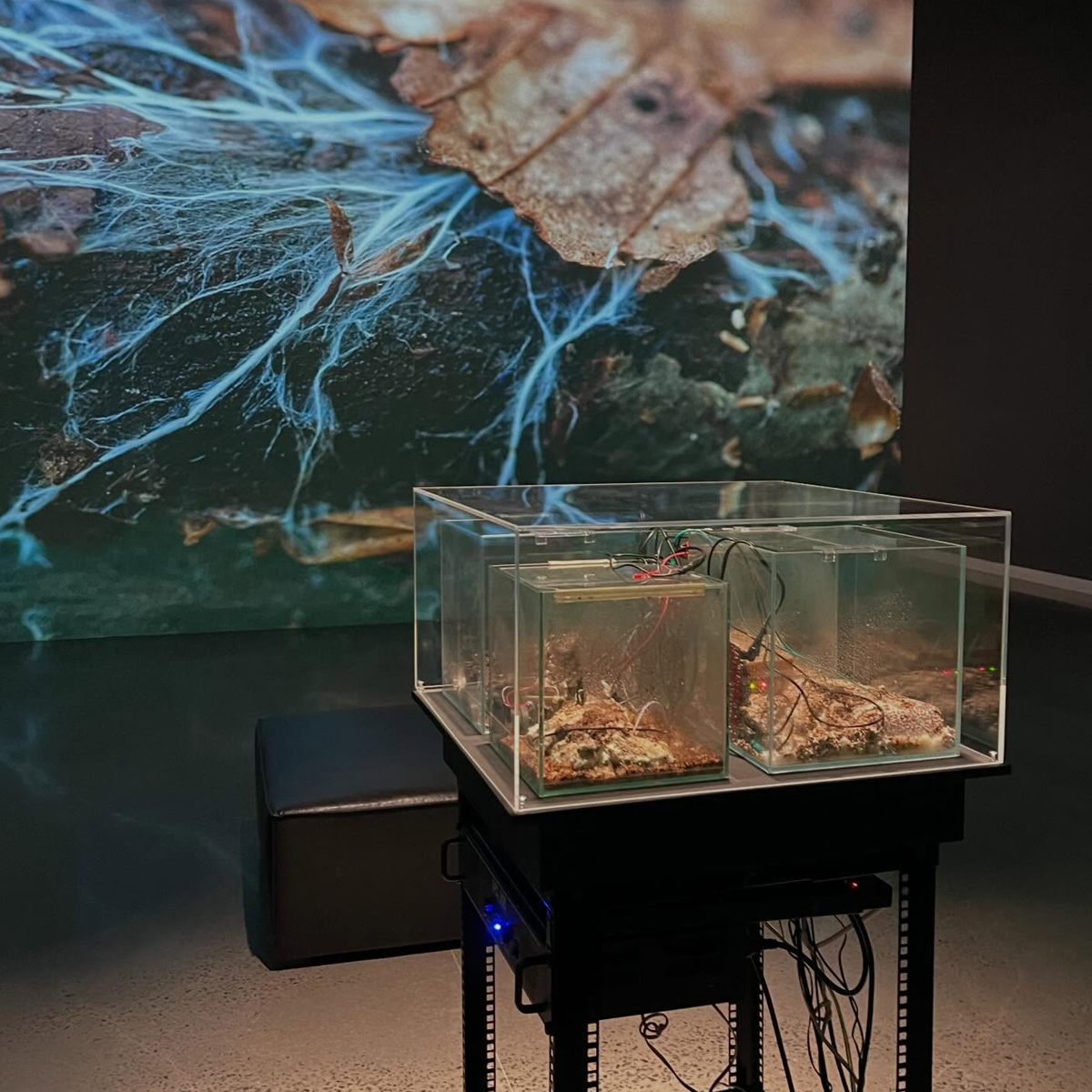
Entanglements with Fungi: Life, Death and Renewal
SATURDAY 21ST OF MARCH – SUNDAY 14TH OF JUNE, 2026
AN EXHIBITION CURATED BY DR FELICITY SPEAR
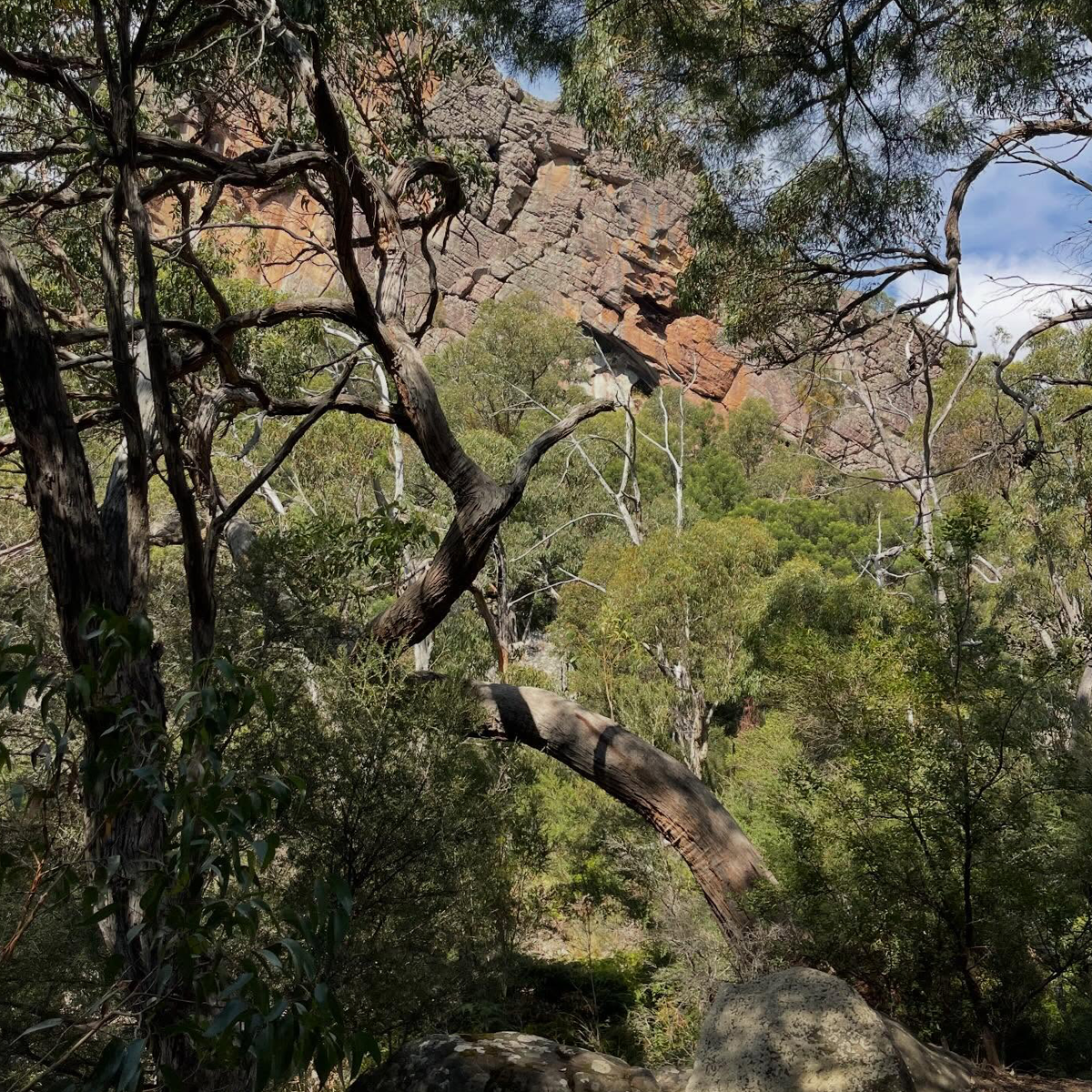
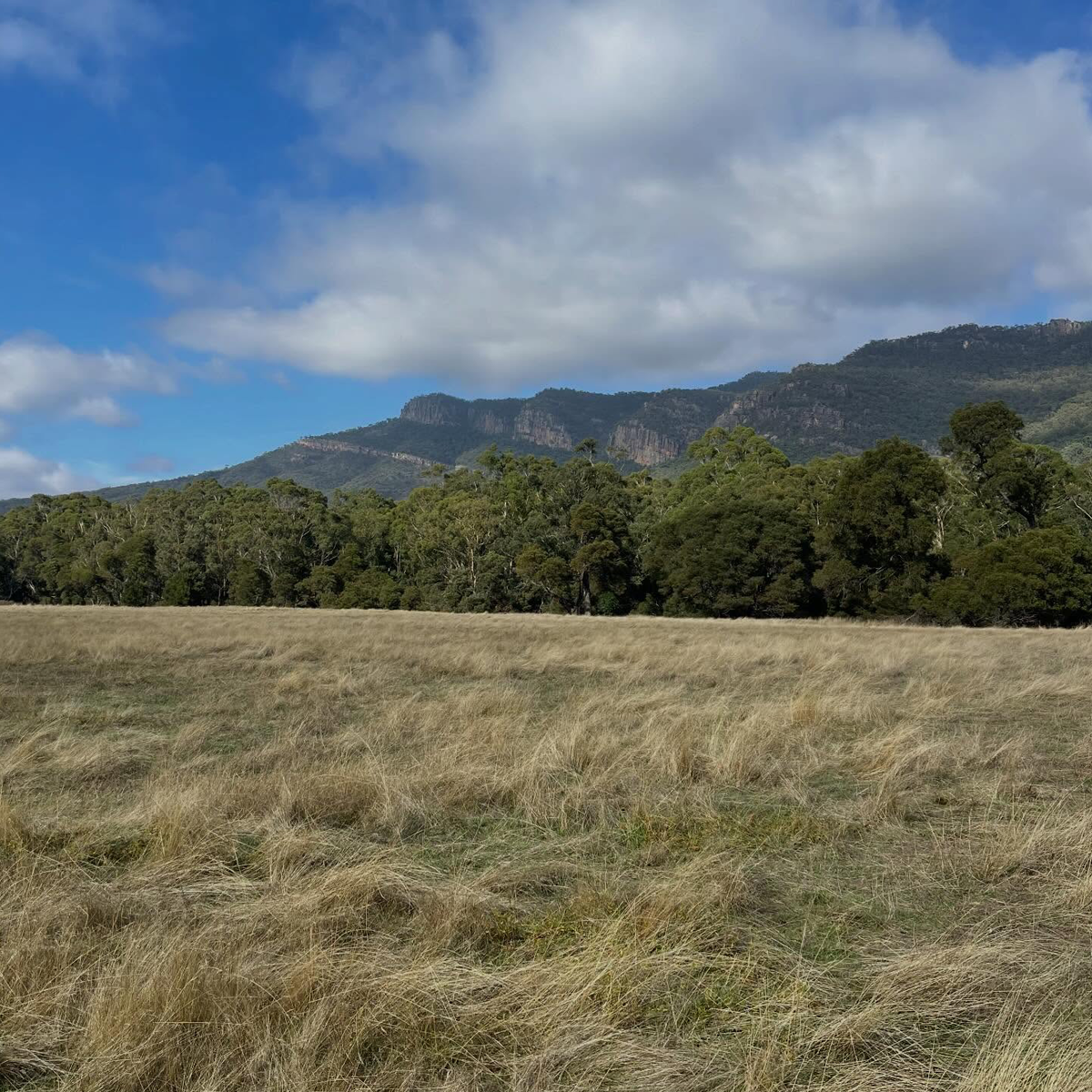
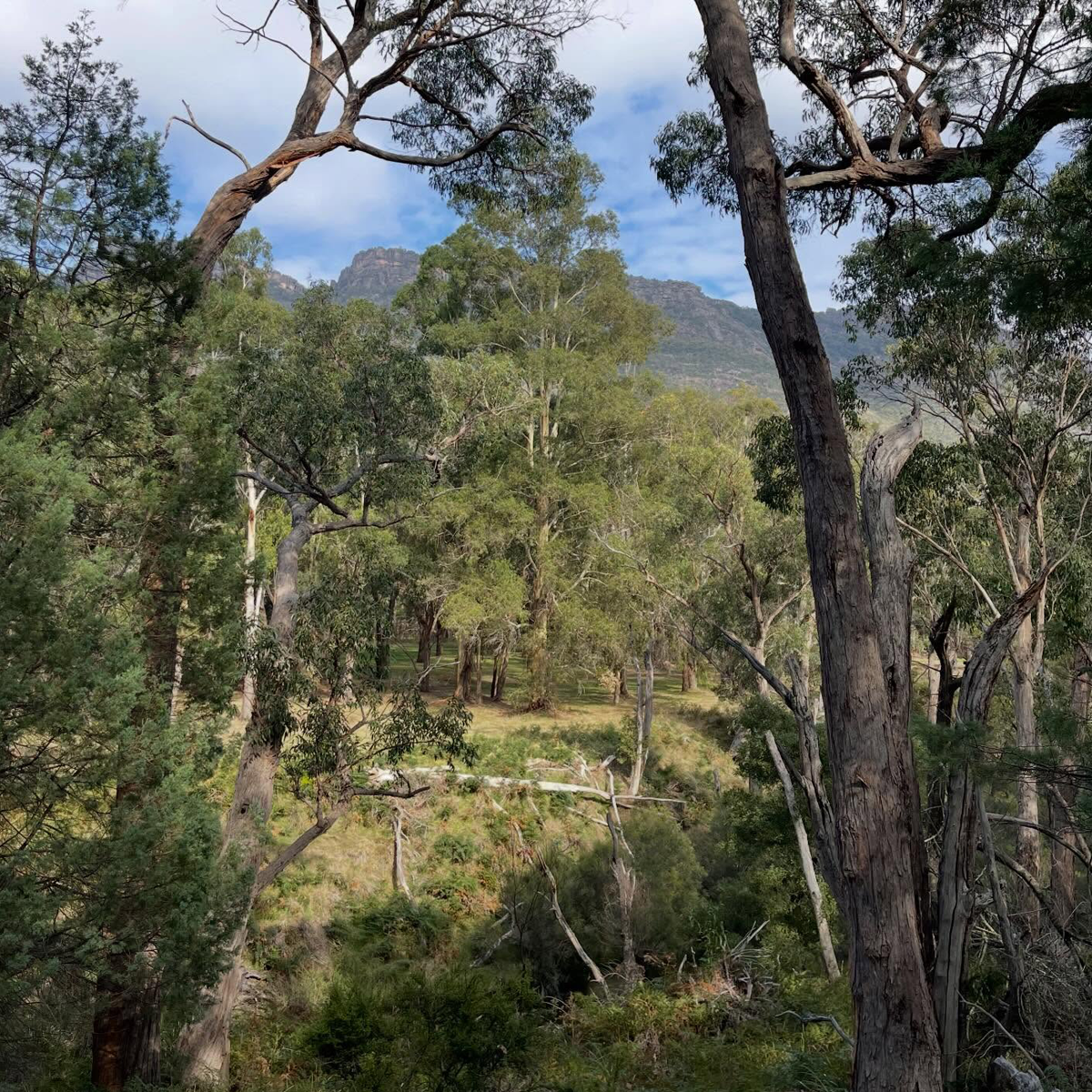
WAMA FOUNDATION, THE NATIONAL CENTRE FOR ENVIRONMENTAL ART, 4000 ARARAT-HALLS GAP ROAD, HALLS GAP, VICTORIA
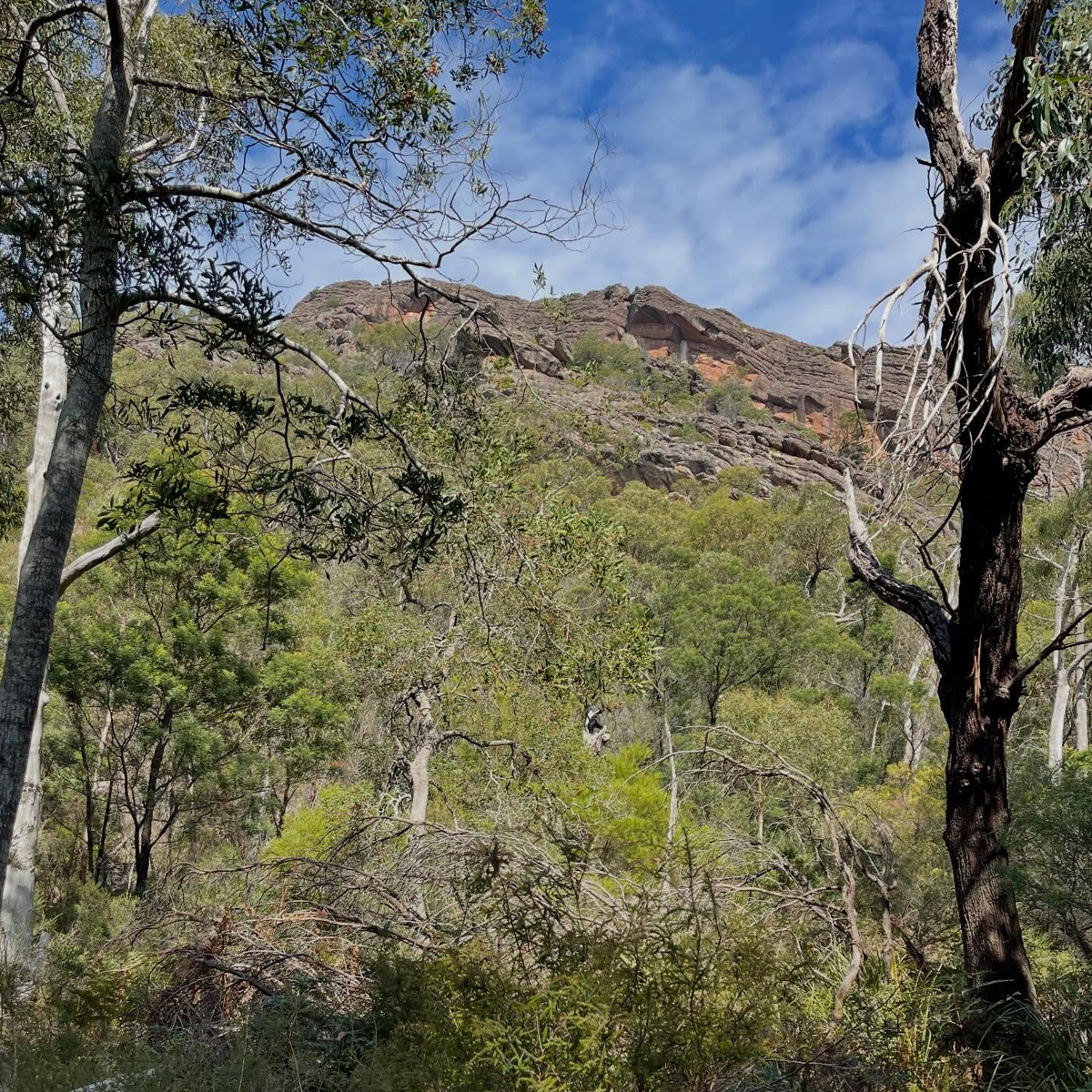
WAMA at Gariwerd fosters a connection between nature and culture, encouraging us to think about human life as intertwined with Earth’s ecological systems. Entanglements with Fungi: Life, Death and Renewal, invites viewers to imagine the hidden networks which shape and sustain ecosystems. The exhibition draws on ideas from art and science to explore the complexity of the Kingdom Fungi—a distinct realm, neither plant nor animal, and the foundation for life on Earth.
The cycle of life, death and renewal is continuously enacted through this complex and mysterious ‘fungus underworld’ with its diverse metabolic abilities and varied habitats, playing a vital role in the life of our planet. As mycologist, author and environmental photographer Dr Alison Pouliot observes “Fungi underpin terrestrial ecosystems, forming cross kingdom collaborations with countless creatures and intimately entwining with plants.”
Today the artists invite you to imagine the underlying structures and networks within nature that shape and connect ecosystems. What might be revealed in the intricate entanglements between fungi, plants, and the wider living world? What might it feel like to see, hear, or smell through the senses of other species? The artists ask you to imagine what it might feel like to be something other than human.
Featured artists include: Chris Drury (UK), Dr Chris Henschke, Gracia Haby and Louise Jennison, Vicki Hallett, Sam Leach, Alison Pouliot, Debbie Symons, and Felicity Spear
Dr Felicity Spear
Gardening Australia: My Garden Path
Episode 4 Autumn: Wildlife Havens & A Slice of Malta
Series 37
6th of March, 2026
We meet a couple of wildlife carers and artists, whose urban backyard is a haven for rehabilitating bats and possums.
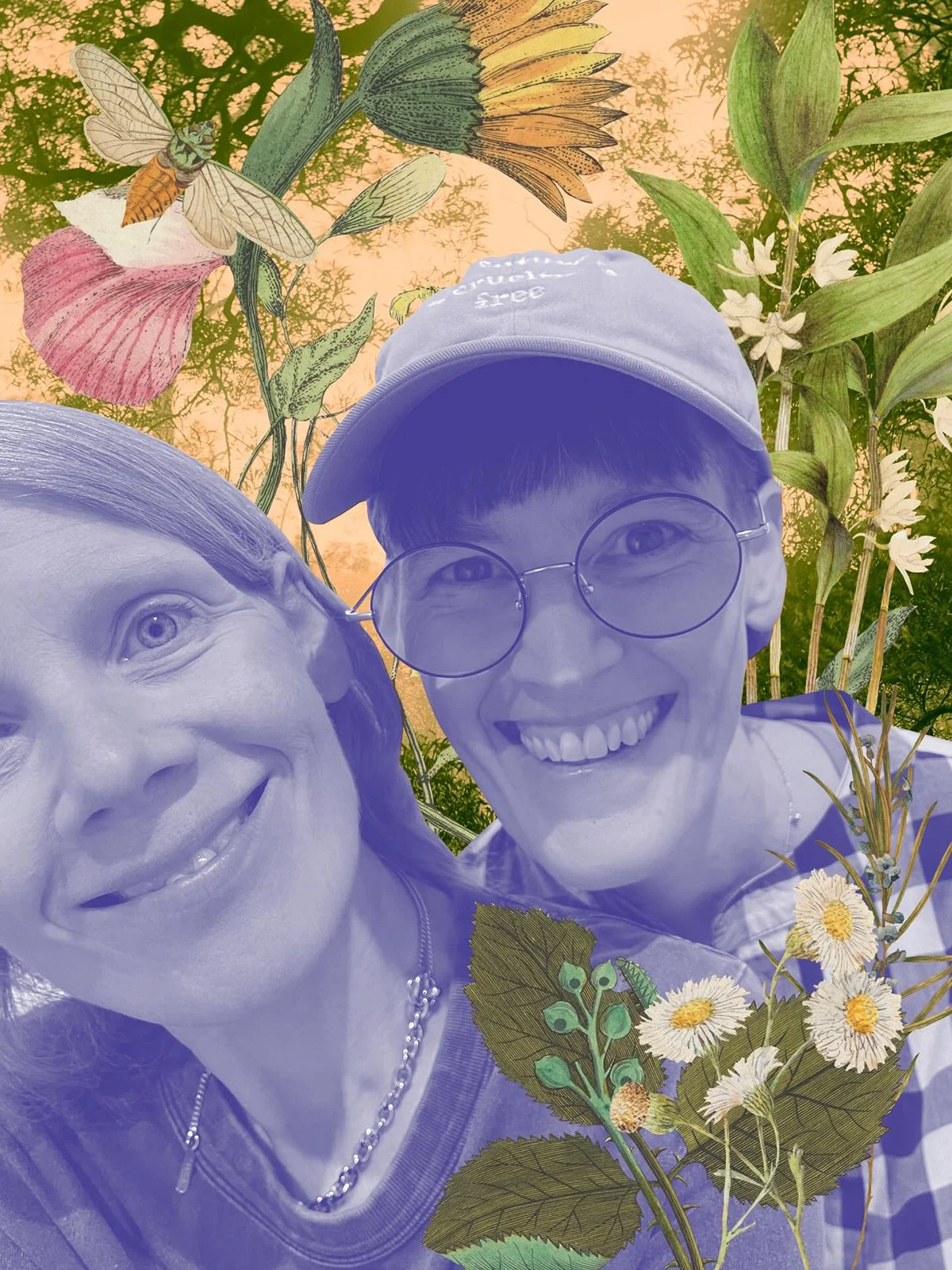
Gracia Haby and Louise Jennison are visual artists and wildlife carers in urban Melbourne. Their backyard has been completely transformed into rehabilitation space for wildlife like possums and bats.
…
Louise says, working on wildlife-focused art projects and caring for injured or orphaned wildlife “is what gives us hope because hope’s an active thing. Hope is actively choosing kindness”.
Grey-headed flying fox (Pteropus poliocephalus) are mega bats, endemic to Australia and a threatened species. Louise says, “they co-evolved with eucalypts and they pollinate all the way up the East Coast, so all our forests are completely reliant on these beautiful pollinators”.
…
Gracia says, “ringtail possums (Pseudocheirus peregrinus) often get a bad rap for demolishing gardens, but a lot of the times there are other culprits.” Also known as ‘pepper shakers’ their prolific poos scatter fertiliser in your garden, breaking down leaves quicker than they would otherwise. “In that sense, they can be a fabulous ally in your garden”.
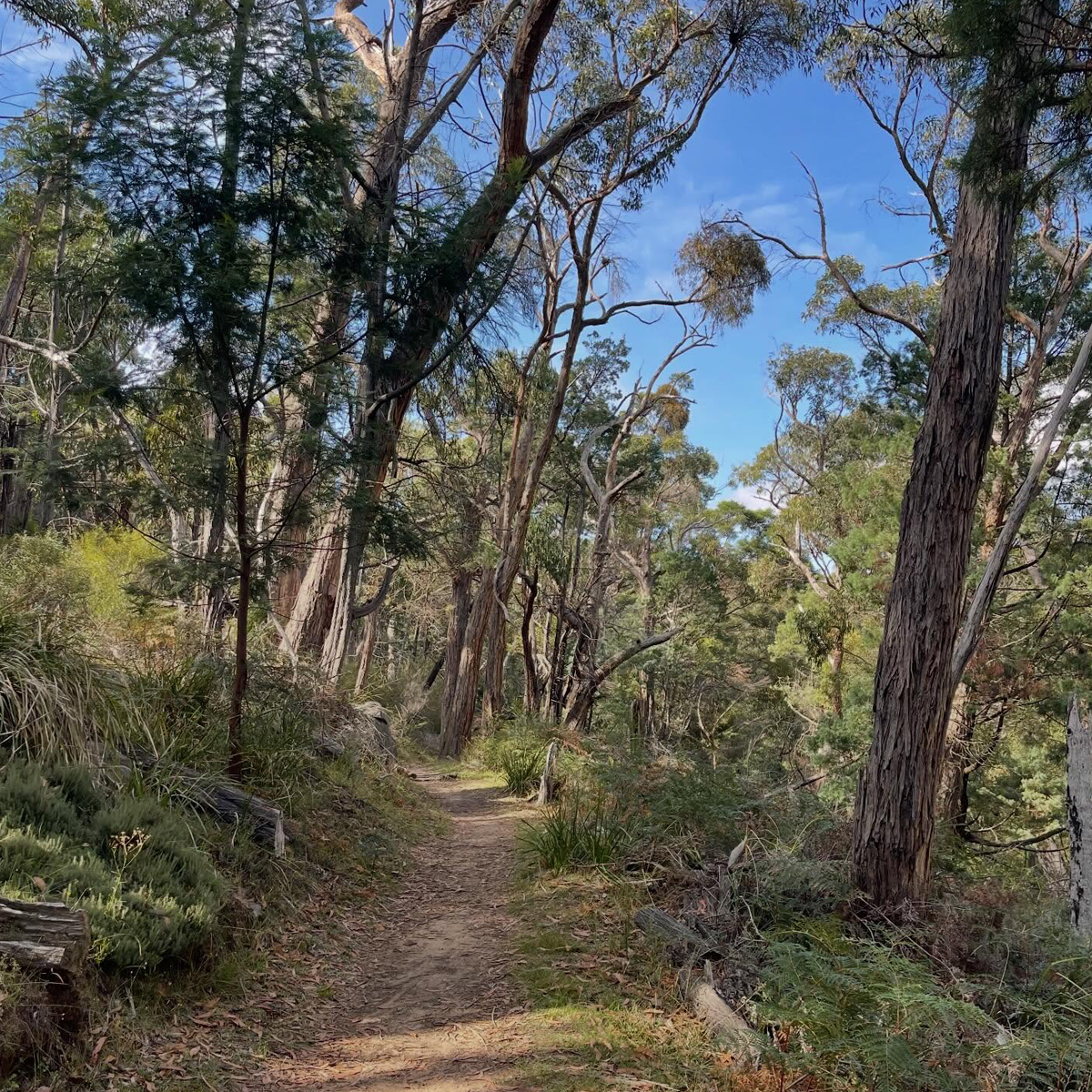
Everyday, Gracia and Louise walk their area to collect native browse for the hungry possums. It takes a lot of work to get enough food and flowers all year round, so it’s very helpful to have more people planting natives in their gardens.
Gracia says, “One of the joys of looking after wildlife is that you get to see the world through the eyes of another species, which is something so glorious”.
●
You can stream our My Garden Path segment on ABC’s iview, and watch our segment on Gardening Australia’s site or YouTube channel.